Summary
This lecture provides a comprehensive explanation of the cell cycle and cell division, focusing primarily on mitosis. The cell cycle is a crucial biological process where cells grow and divide to maintain continuity and increase their numbers. There are two main types of cell division discussed: mitosis and meiosis. Mitosis is responsible for somatic (body) cell division, allowing growth, repair, and maintenance, producing genetically identical daughter cells. Meiosis, on the other hand, is involved in sexual reproduction, producing gametes with half the genetic material for genetic diversity.
The cell cycle comprises two broad stages: Interphase and the Mitotic (M) phase. Interphase is divided into three sub-phases—G1 (Gap 1), S (Synthesis), and G2 (Gap 2)—during which the cell prepares for division by growing, replicating its DNA, and checking for errors. There is also a G0 phase where cells remain in a resting state unless triggered to divide.
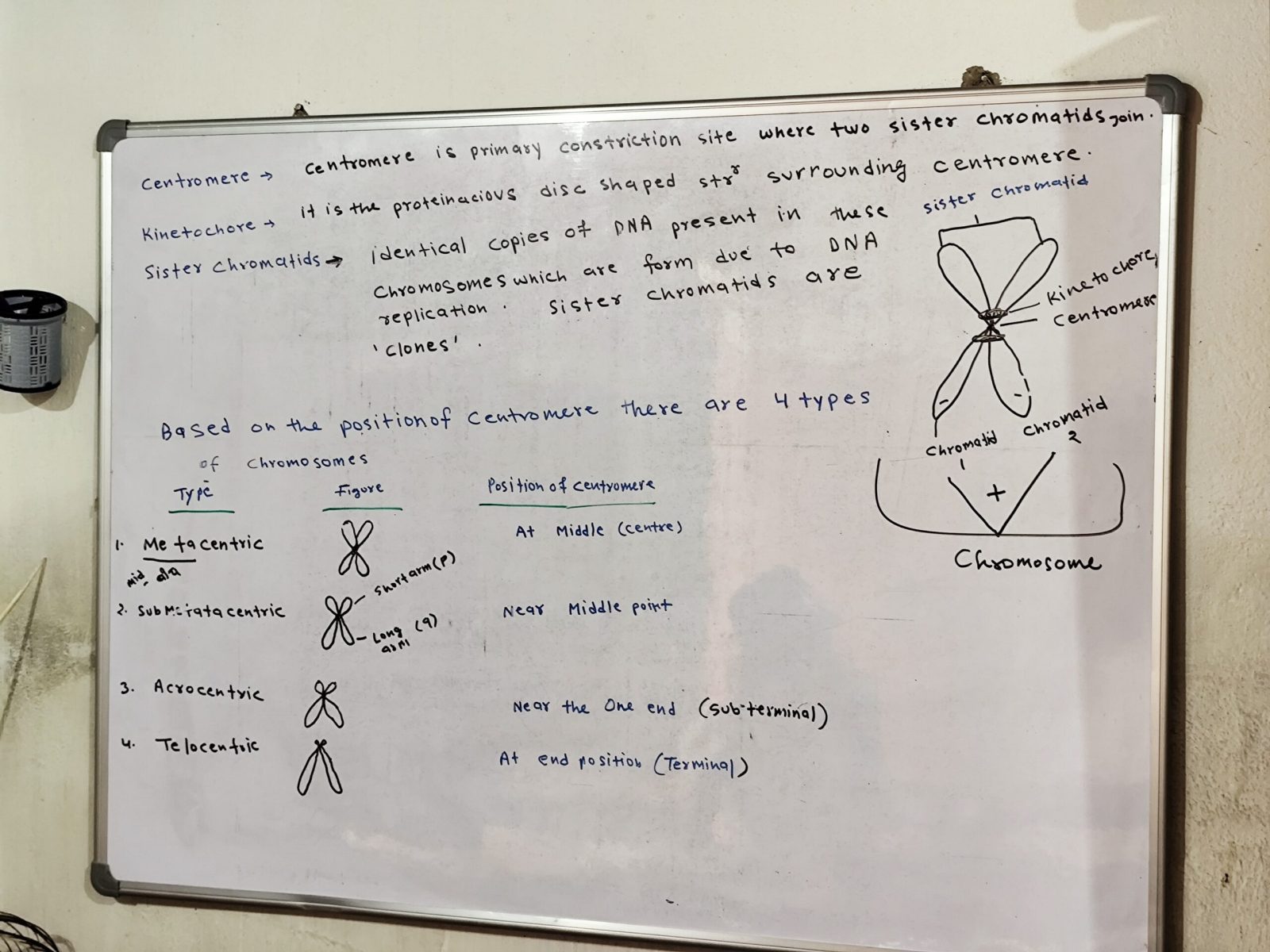
The mitotic phase itself is subdivided into four sequential stages: Prophase, Metaphase, Anaphase, and Telophase. During these phases, chromatin condenses into chromosomes, the nuclear membrane dissolves, spindle fibers form and attach to chromosomes, sister chromatids separate and migrate to opposite poles, and finally, two new nuclei and daughter cells are formed. Cytokinesis, the division of the cytoplasm, completes the process, resulting in two genetically identical daughter cells.
Mitosis is essential for growth, repair, and asexual reproduction in somatic cells and ensures the daughter cells carry identical genetic information, maintaining the organism’s genetic stability.
Highlights
- 🔬 The cell cycle enables cells to grow and reproduce, increasing cell numbers through division.
- 🔄 Two main types of cell division: mitosis (somatic cells) and meiosis (germ cells).
- ⚙️ Interphase consists of G1, S, and G2 phases, where the cell prepares and duplicates DNA.
- 🧬 Mitosis phases: Prophase, Metaphase, Anaphase, and Telophase ensure accurate chromosome segregation.
- 💡 G0 phase is a resting state where cells remain until division is needed.
- 🔄 Cytokinesis divides cell cytoplasm, forming two distinct daughter cells.
- ✅ Daughter cells produced by mitosis are genetically identical, ensuring stability.
Key Insights
- 🧩 Cell Cycle as a Continuous Process: The cell cycle is cyclical, allowing cells to continually divide and produce new cells, supporting organismal growth and tissue repair. This cycle ensures biological continuity across generations of cells.
-
🧫 Distinct Roles of Mitosis and Meiosis: Mitosis generates genetically identical somatic cells important for the day-to-day functioning of an organism, while meiosis produces genetically diverse gametes, crucial for sexual reproduction and evolution.
-
🕒 Interphase is a Dynamic Preparation Phase: Although called a “resting phase” by some, interphase is highly active, with the cell growing, replicating DNA during the $S$ phase, and checking for replication errors in $G_2$. This preparation is vital for successful division.
-
🧬 DNA Replication and Quality Control: During the $S$ phase, the entire DNA is replicated to form sister chromatids. The $G_2$ phase plays a critical role in verifying replication accuracy and preparing the cell structurally and functionally for mitosis.
-
⚙️ Mitosis Ensures Precise Genetic Segregation: The four mitotic stages meticulously organize and separate duplicated chromosomes — from condensation in prophase to alignment at the metaphase plate, separation in anaphase, and reformation of nuclei in telophase — ensuring each daughter cell receives an identical set of chromosomes.
-
🔄 Cytokinesis Completes Cell Division: Following mitosis, cytokinesis physically separates the cytoplasm into two daughter cells. In animal cells, a contractile ring forms a cleavage furrow to divide the cells; in plant cells, a cell plate forms due to the rigid cell wall.
-
🧬 Genetic Stability Through Mitosis: Daughter cells inherit the exact genetic content of the parent cell ($2n$ ploidy maintained), which is critical for maintaining tissue function and organism integrity. Unlike meiosis, mitosis does not introduce genetic variation.
-
🛠️ Biological Importance of Mitosis in Repair and Growth: Mitosis allows cells to replace damaged or dead cells, such as in wound healing, and supports overall growth through generating new cells where needed.
-
💤 G0 Phase as a Protective Resting Stage: Cells can temporarily or permanently exit the cell cycle into $G_0$, preserving resources and function until conditions favor division again. This feature balances cell proliferation with conservation.
-
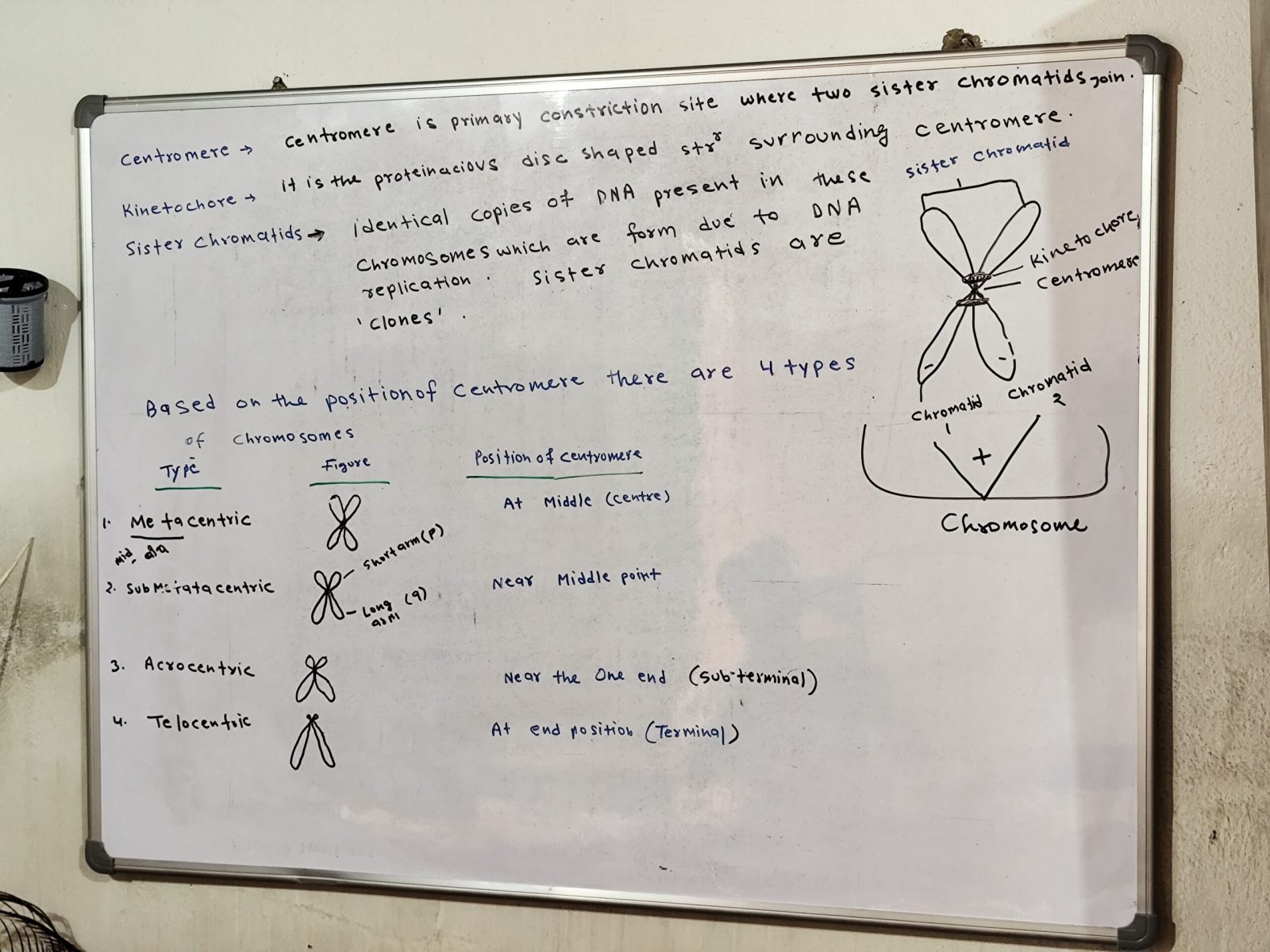
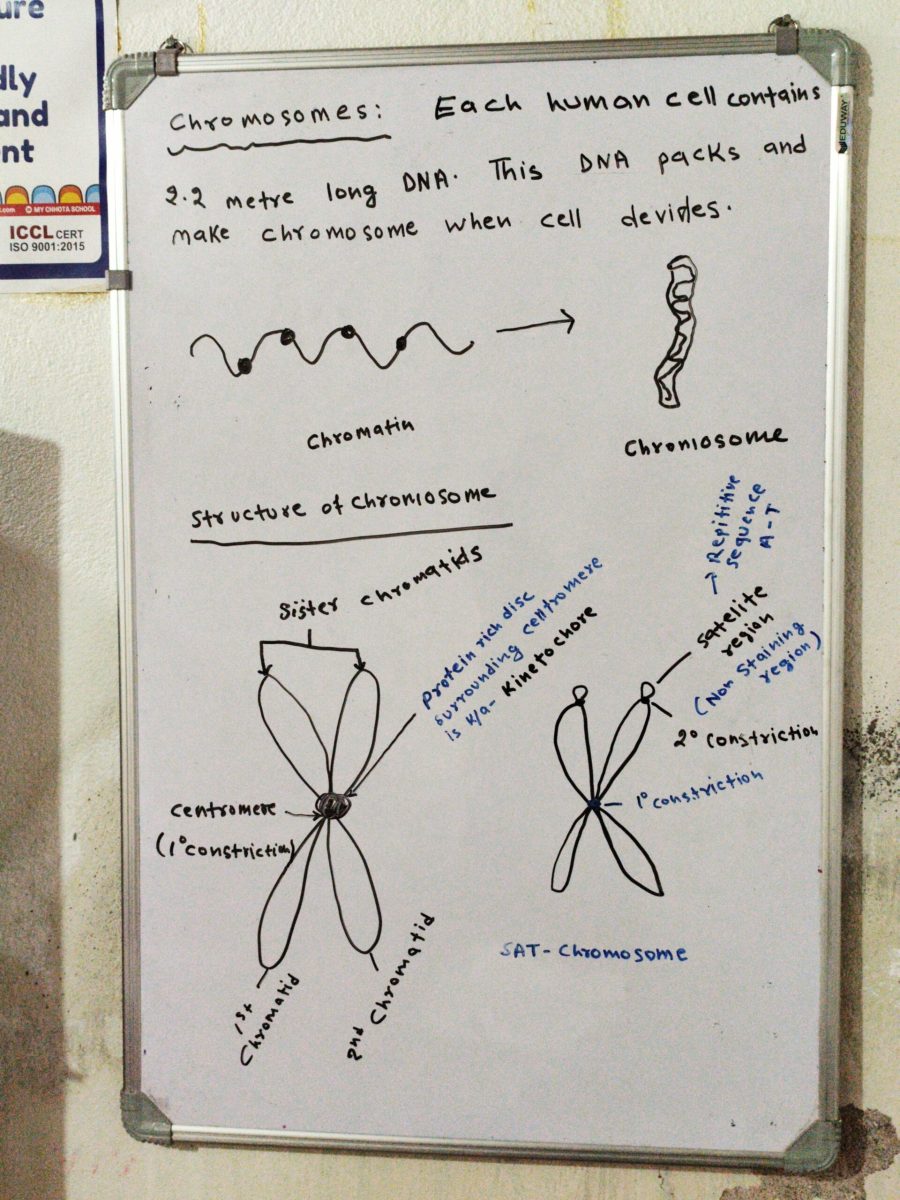
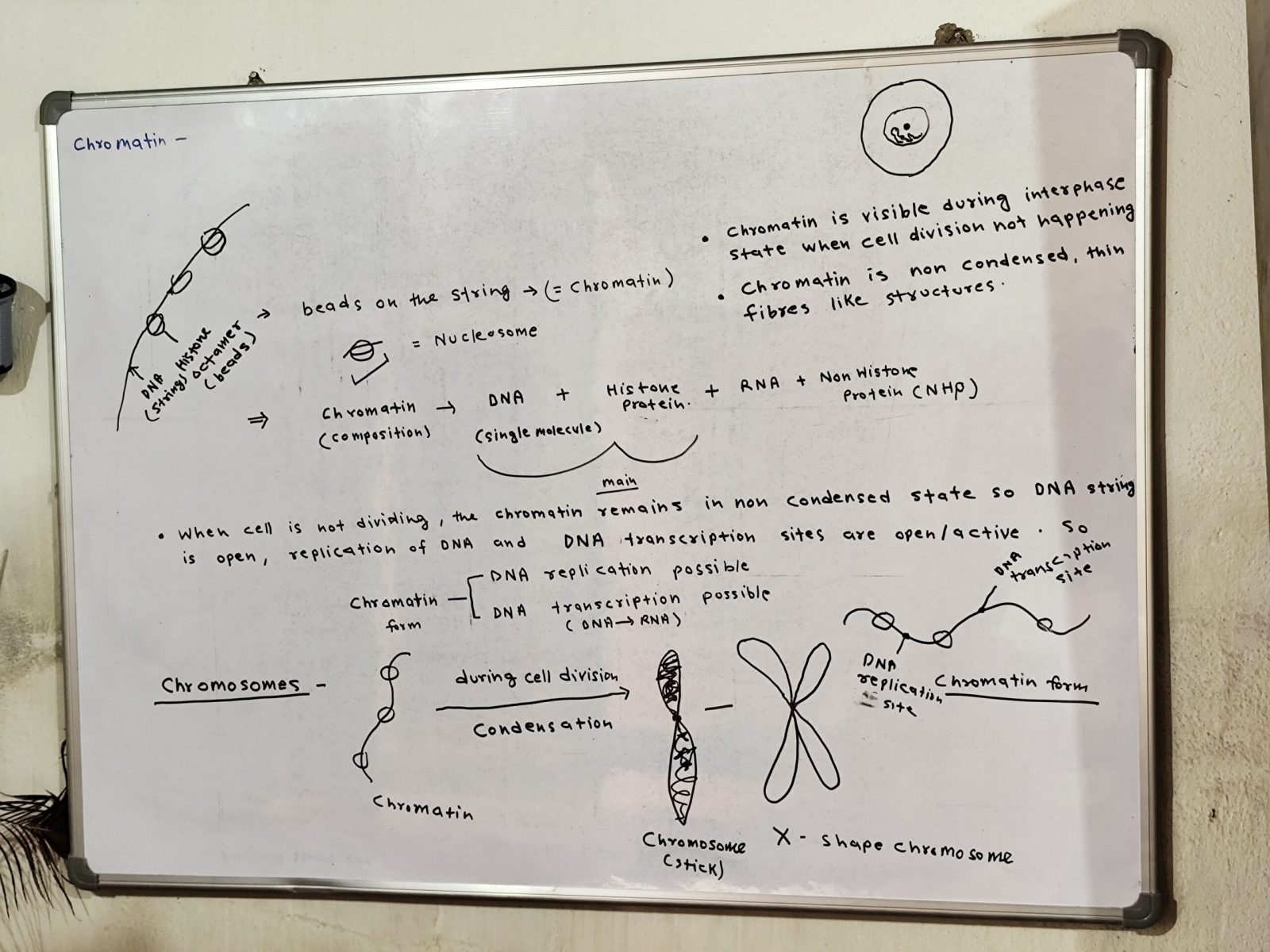
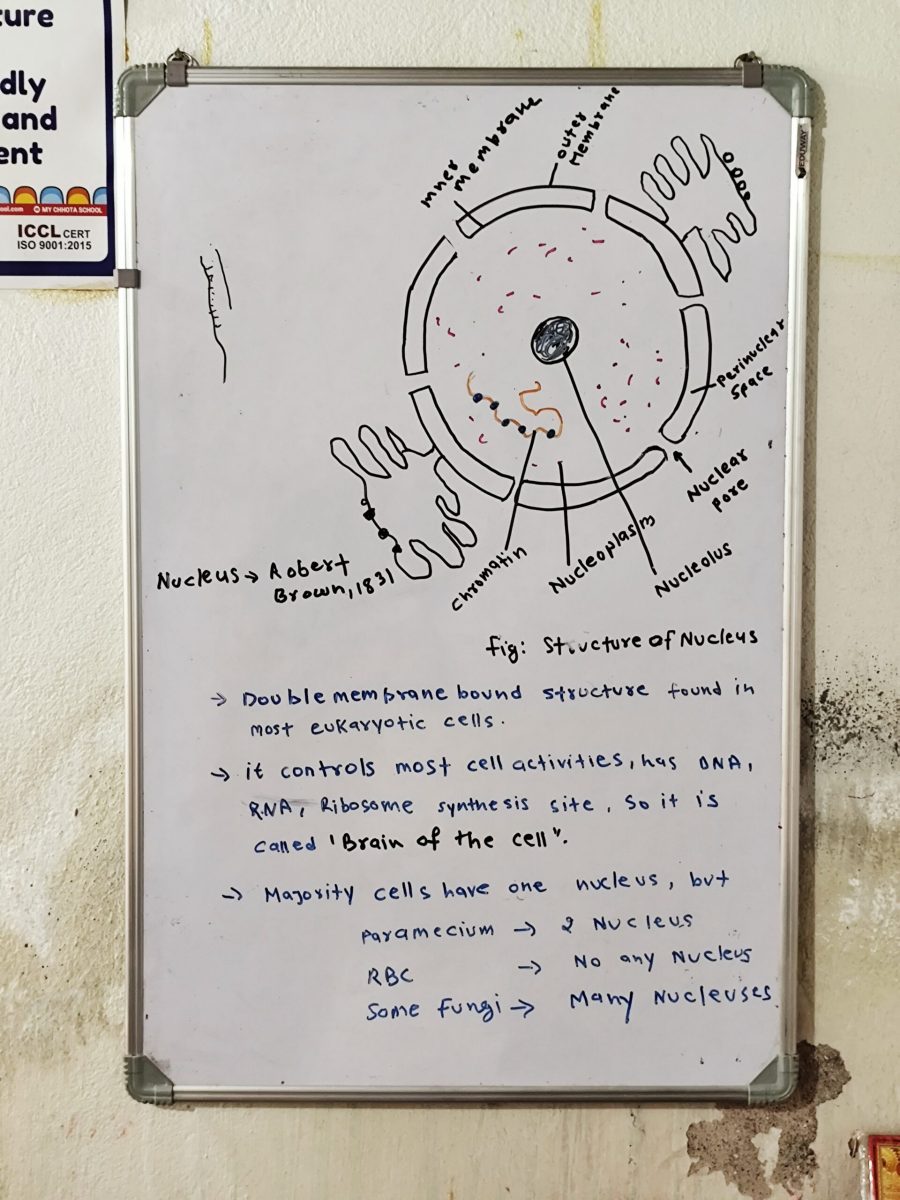
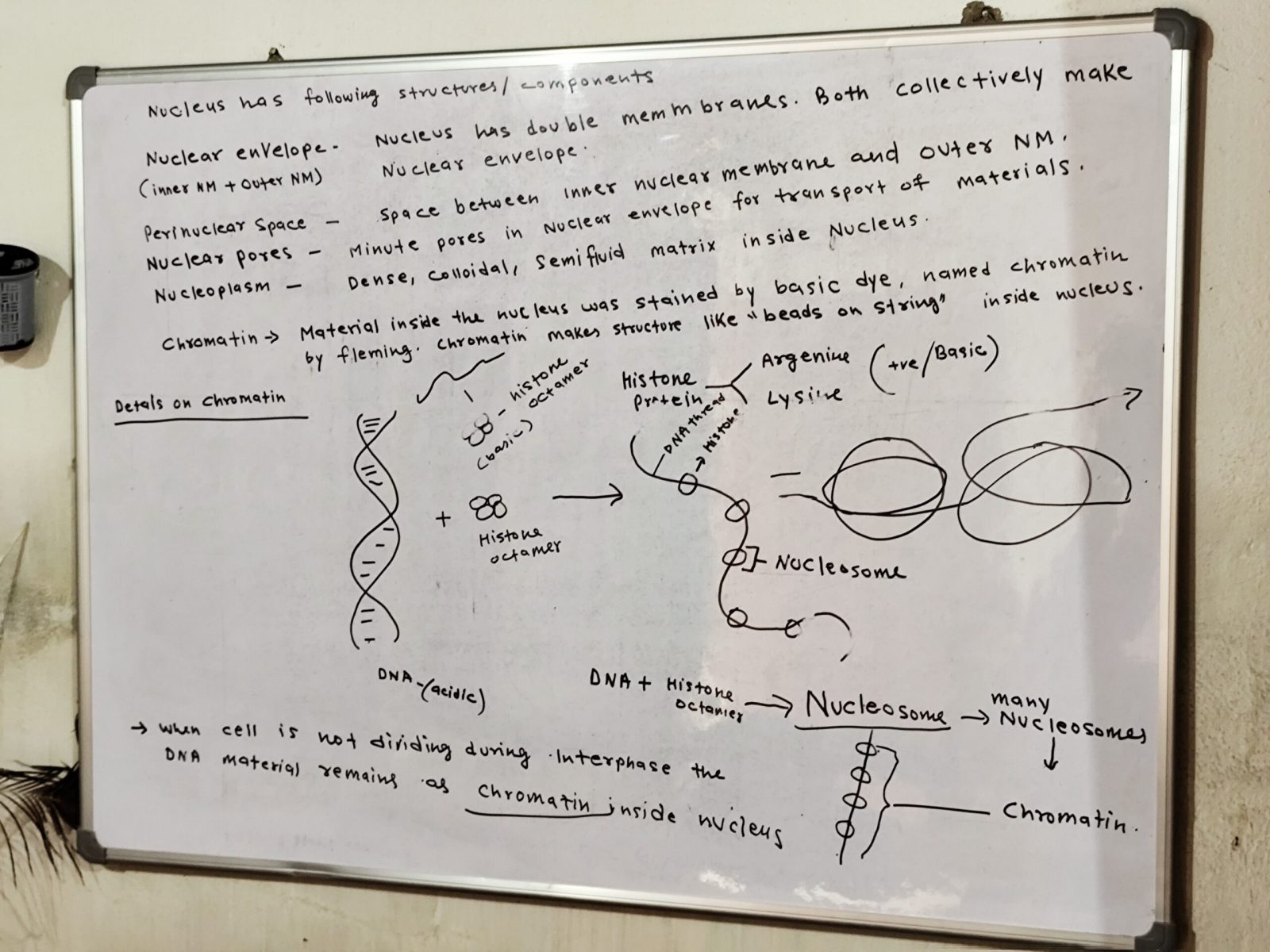
🧫 Structural Changes in Chromosomes During Mitosis: Chromatin condenses into visible chromosomes, enabling easier segregation. The nuclear membrane dissolves transiently, allowing spindle fibers to access chromosomes for proper partitioning.
-
⚖️ Coordination Between Chromosome Movement and Spindle Fiber Dynamics: The shortening of spindle fibers during anaphase pulls sister chromatids apart, a process essential for equal distribution of genetic material between daughter cells.
This lecture forms a fundamental basis for understanding cellular reproduction mechanisms essential in biology, medicine, and biotechnology, underpinning how organisms maintain growth, repair, and heredity.