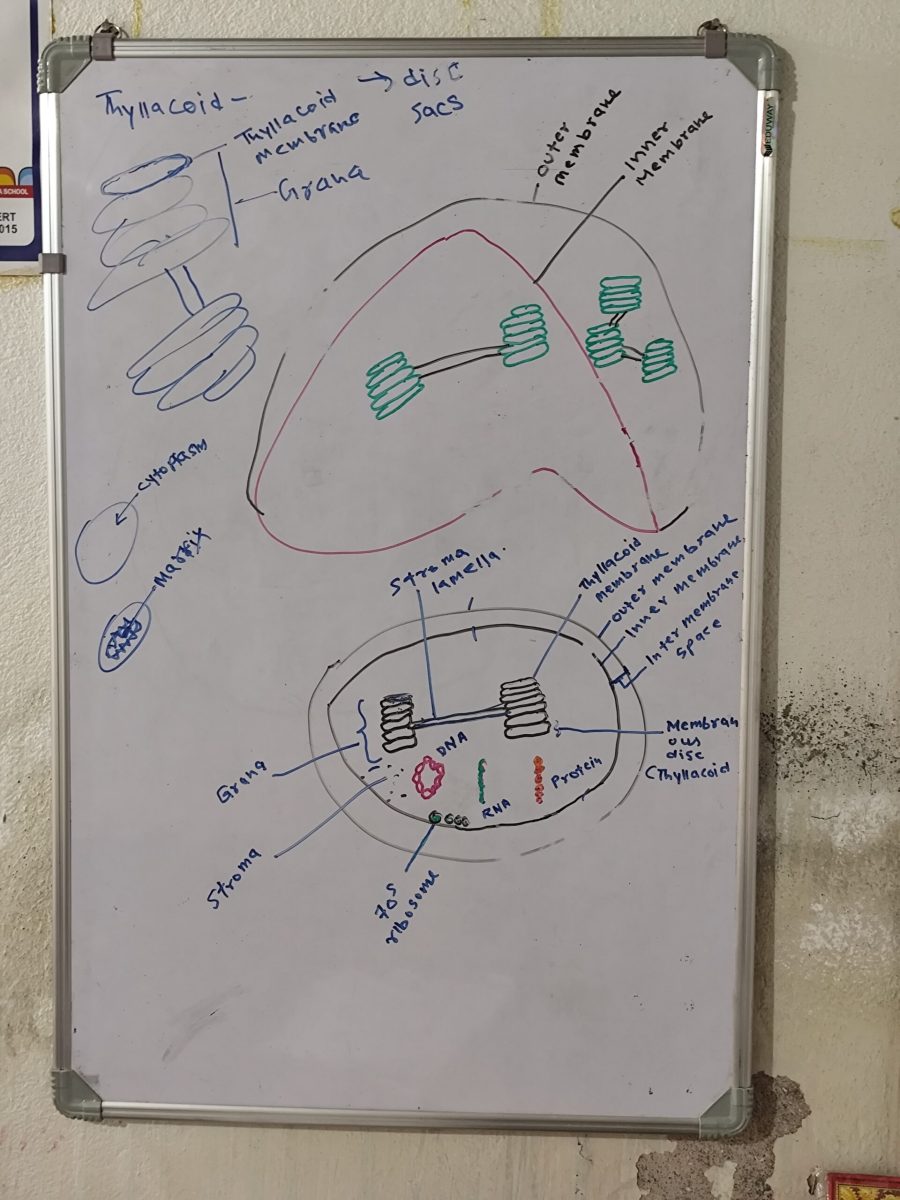
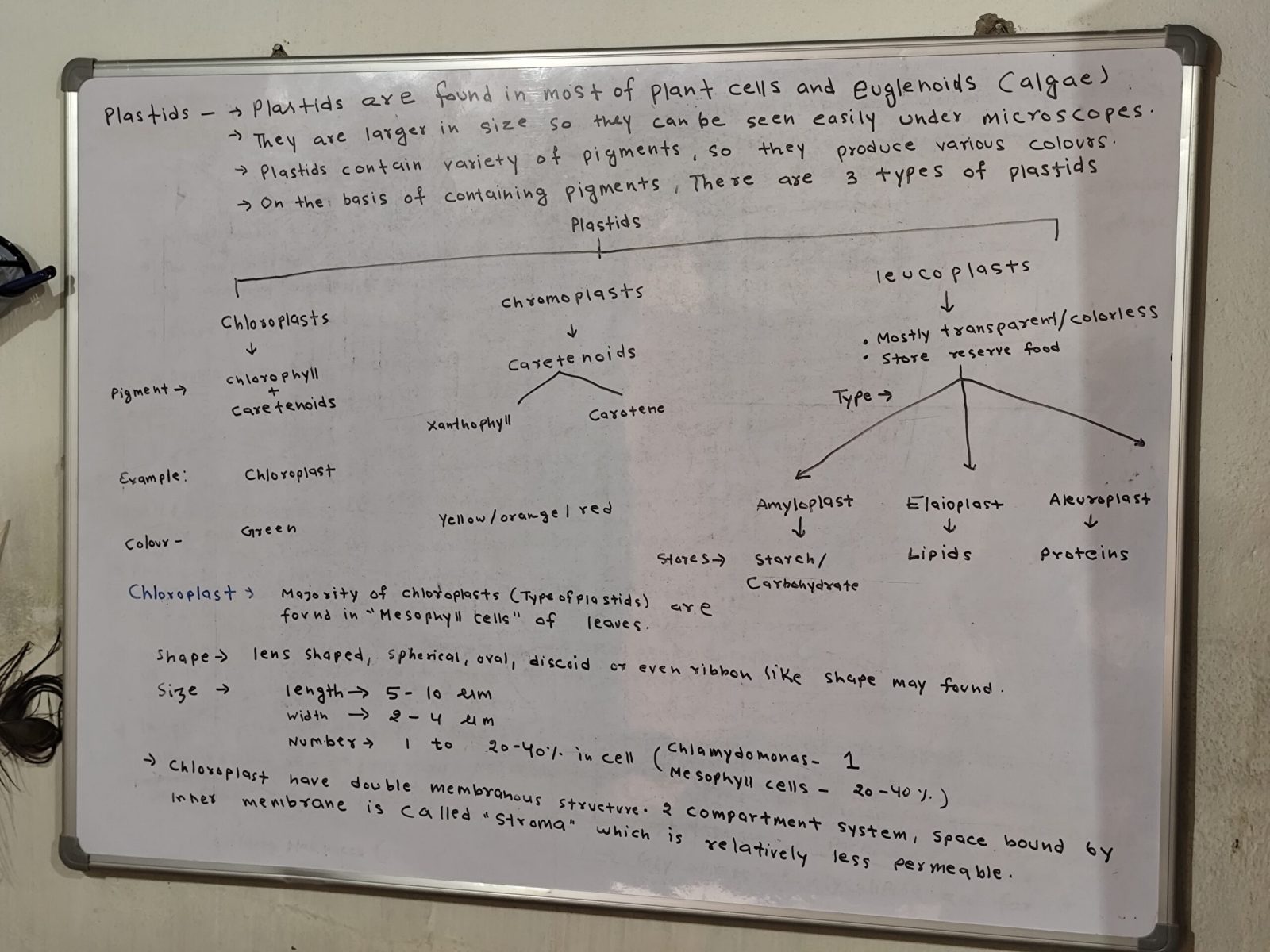
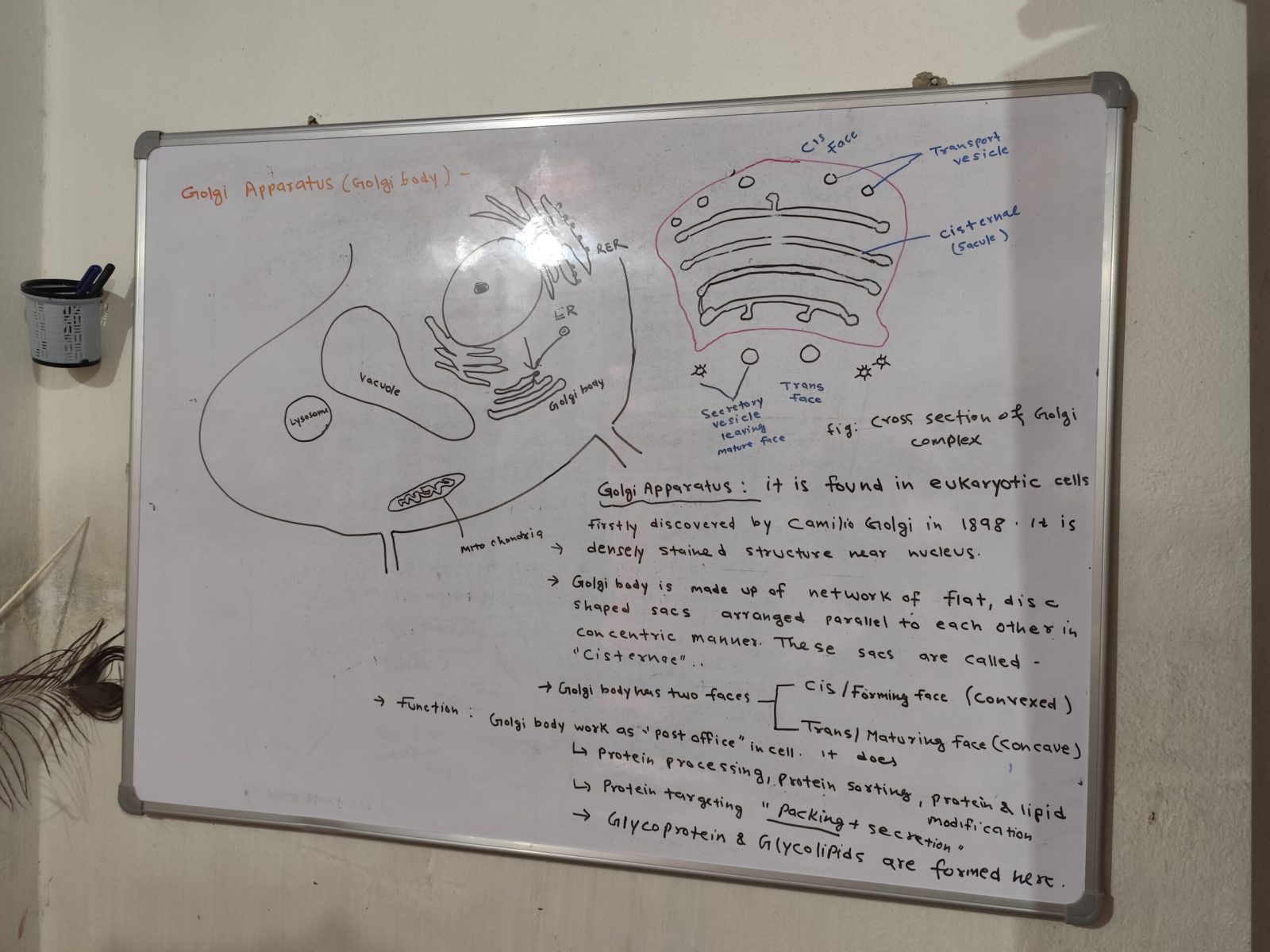
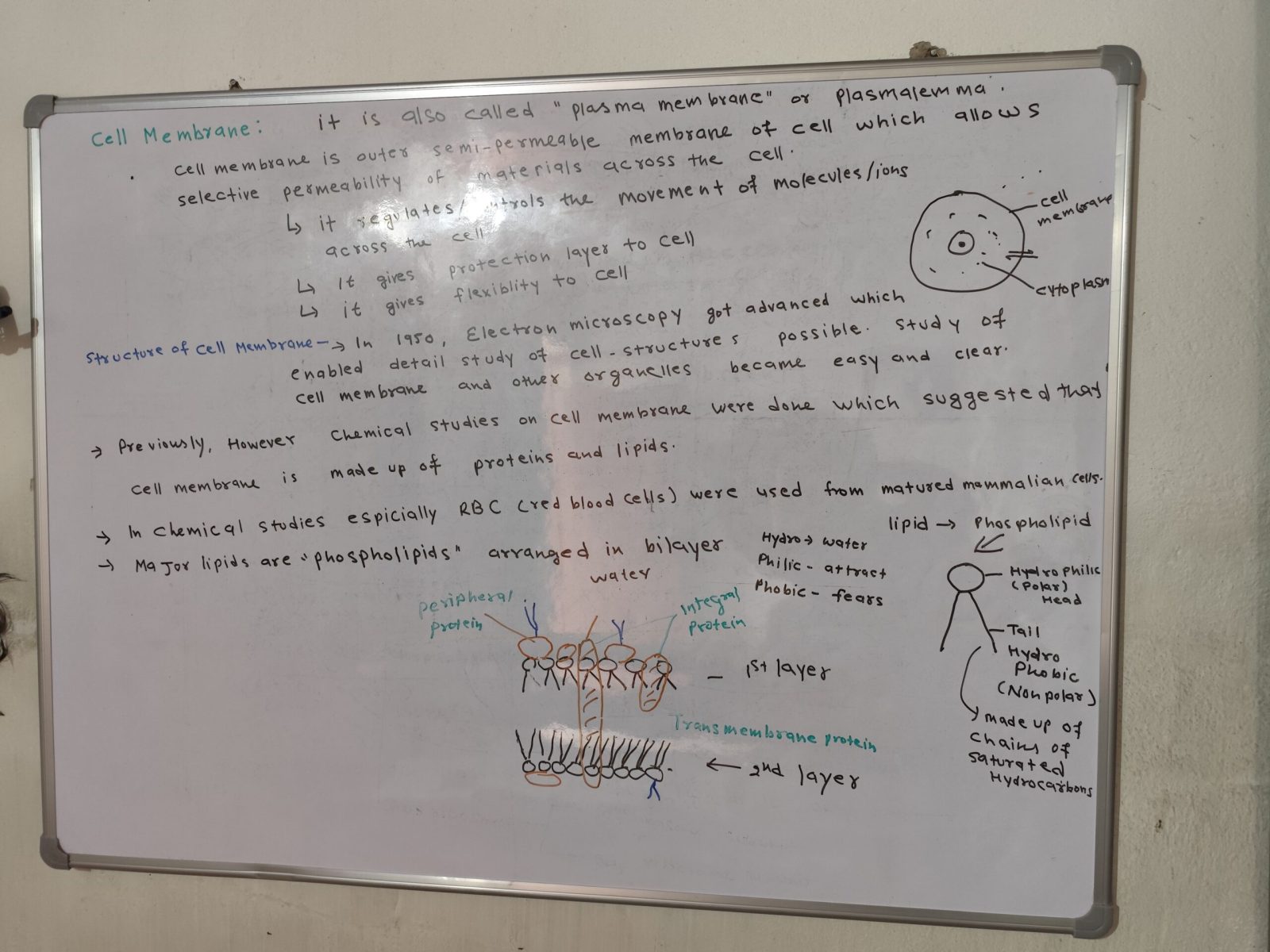
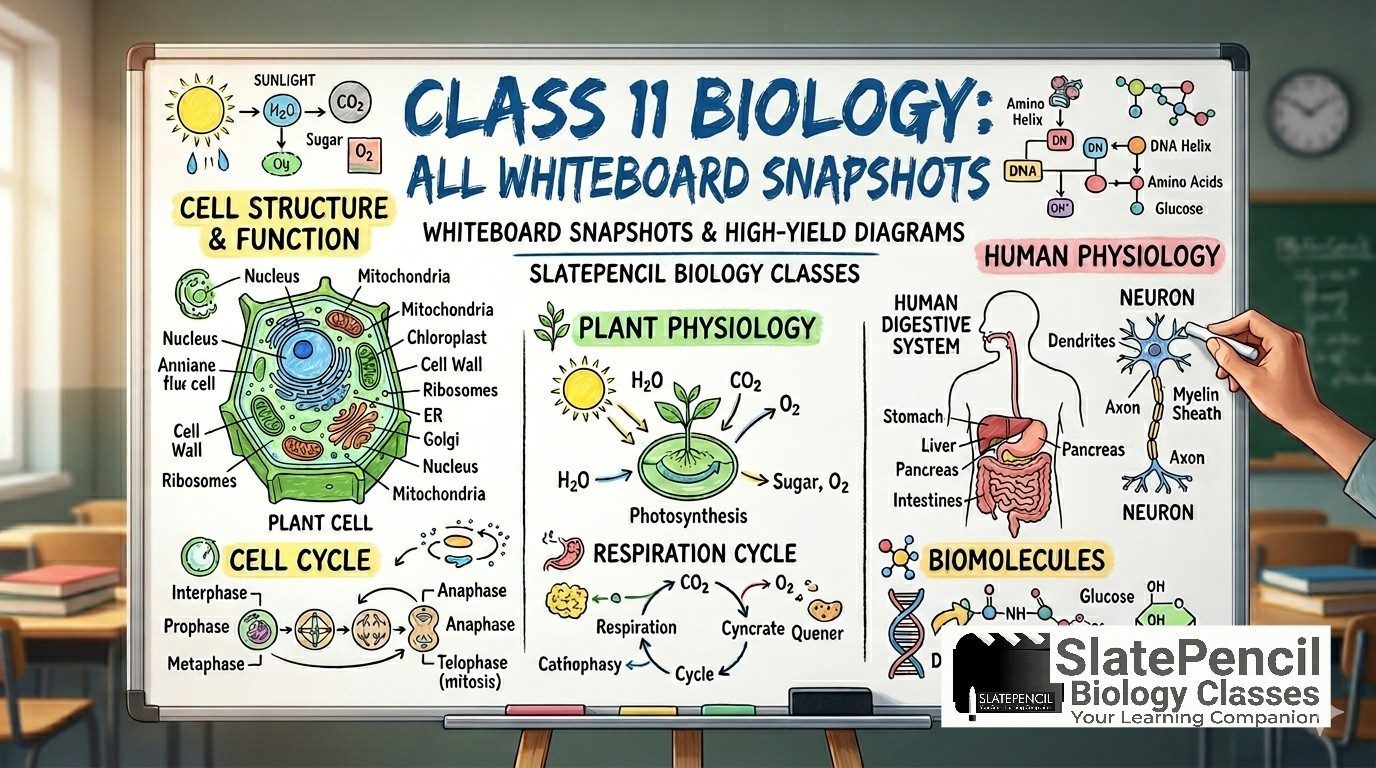
Class 11 Biology lays the foundation for both your school exams and competitive medical prep. But memorizing massive chapters like Cell Structure, Plant Physiology, or Human Systems from dense textbook paragraphs can be overwhelming.
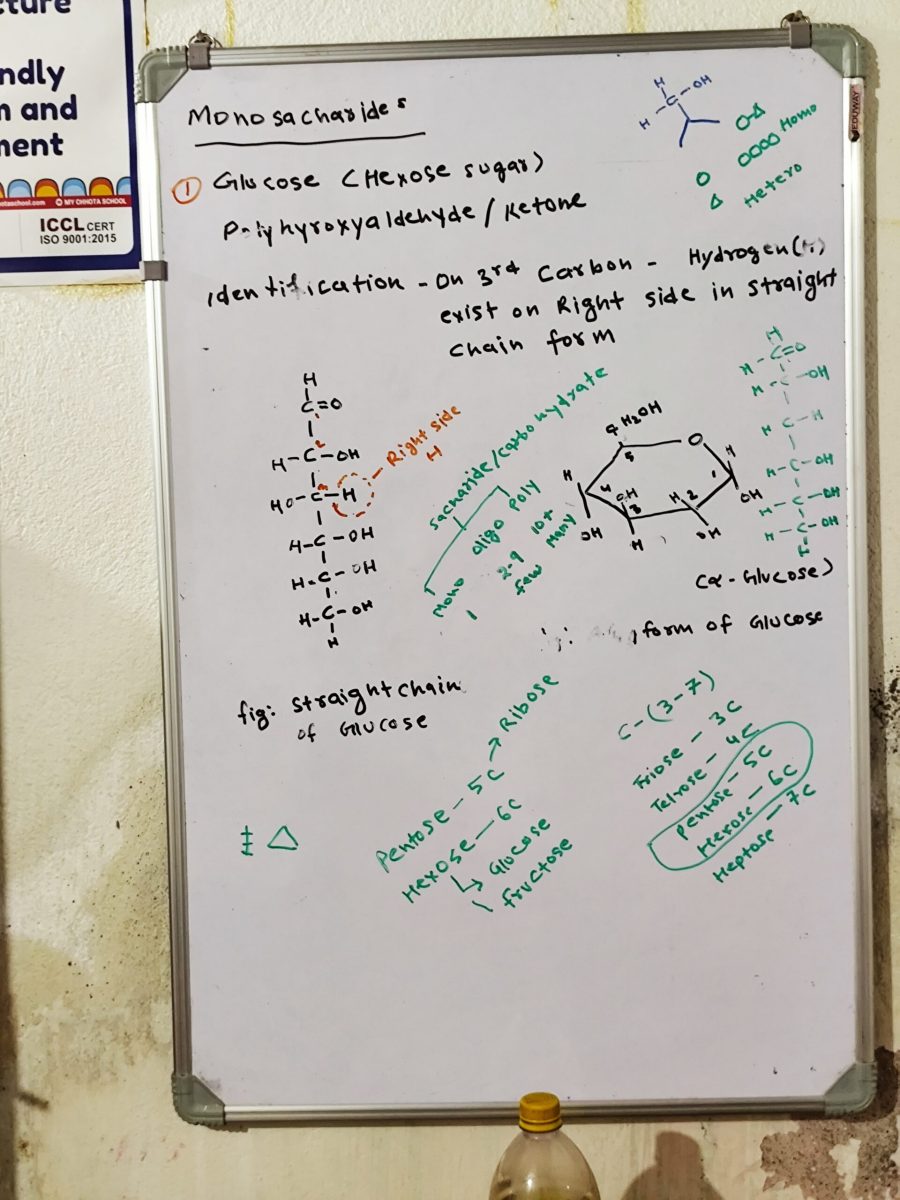
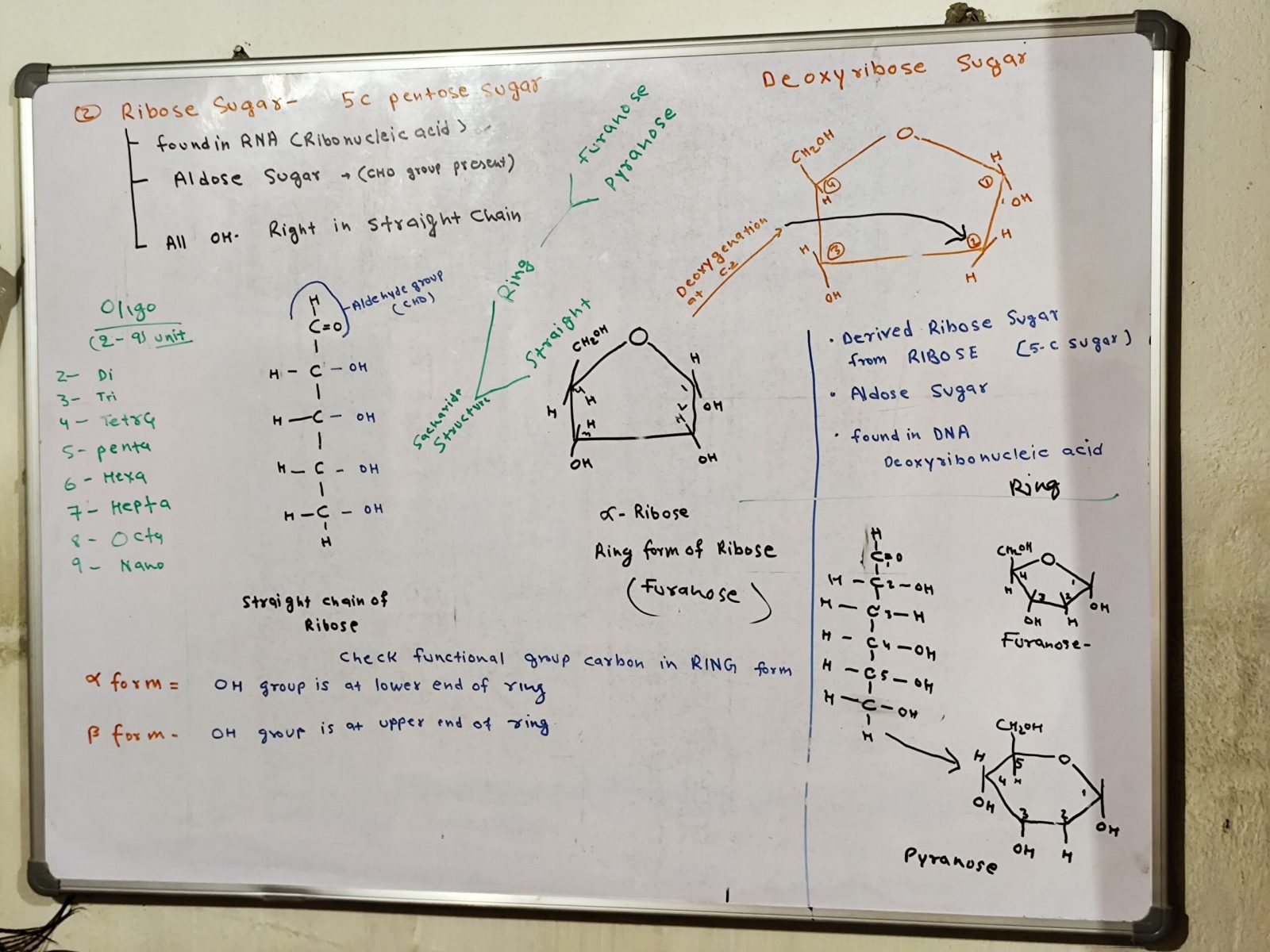
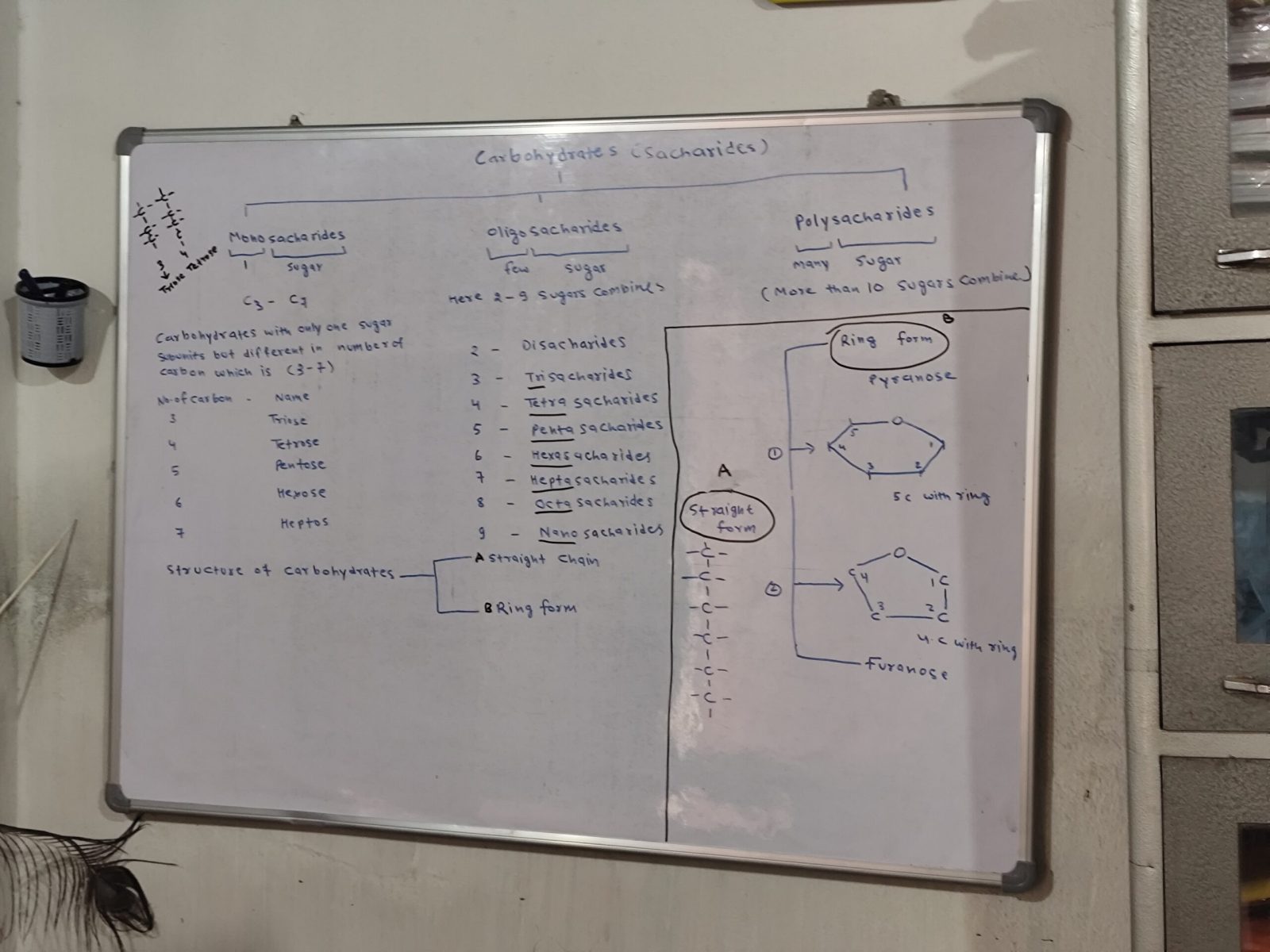
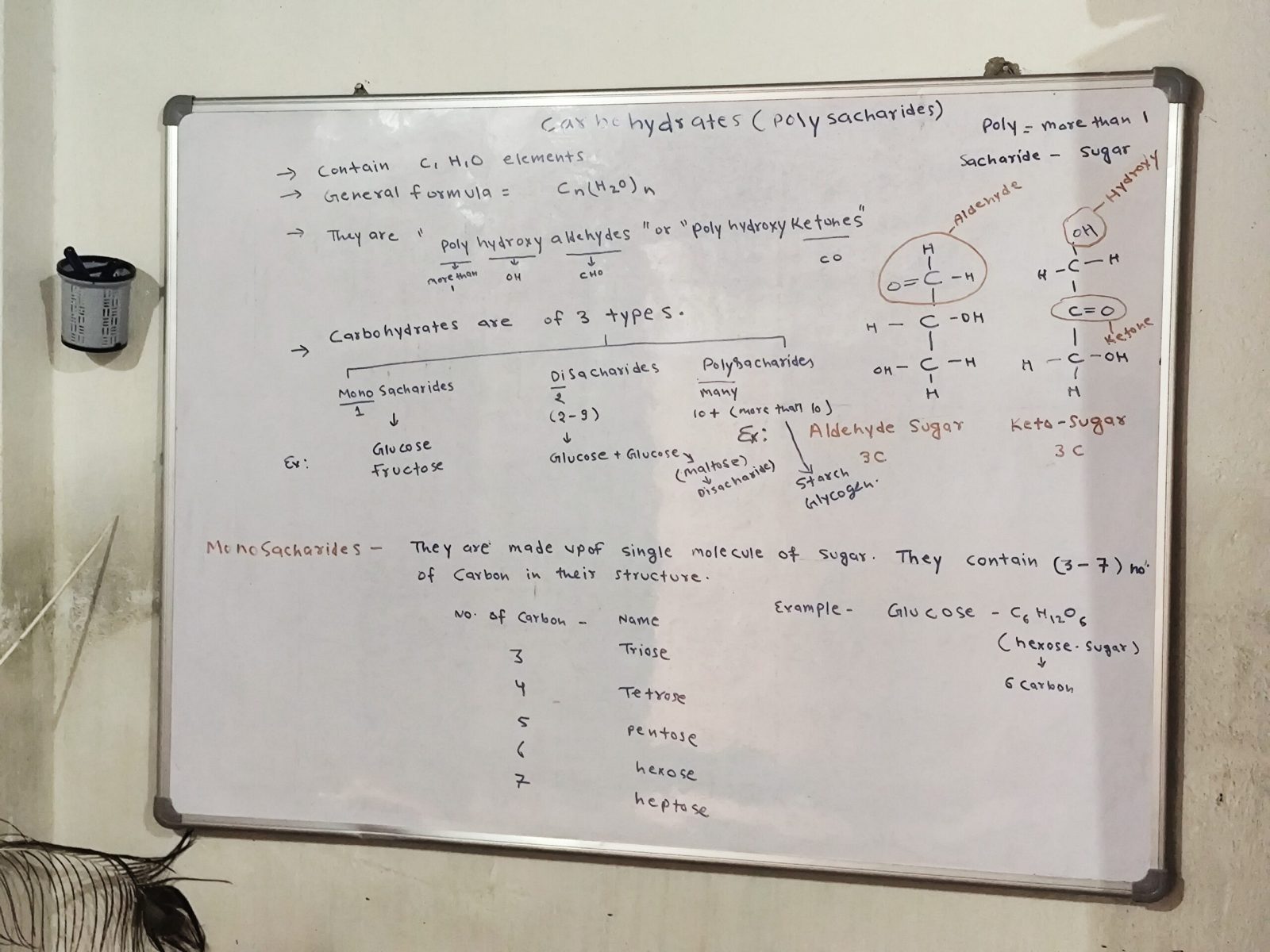
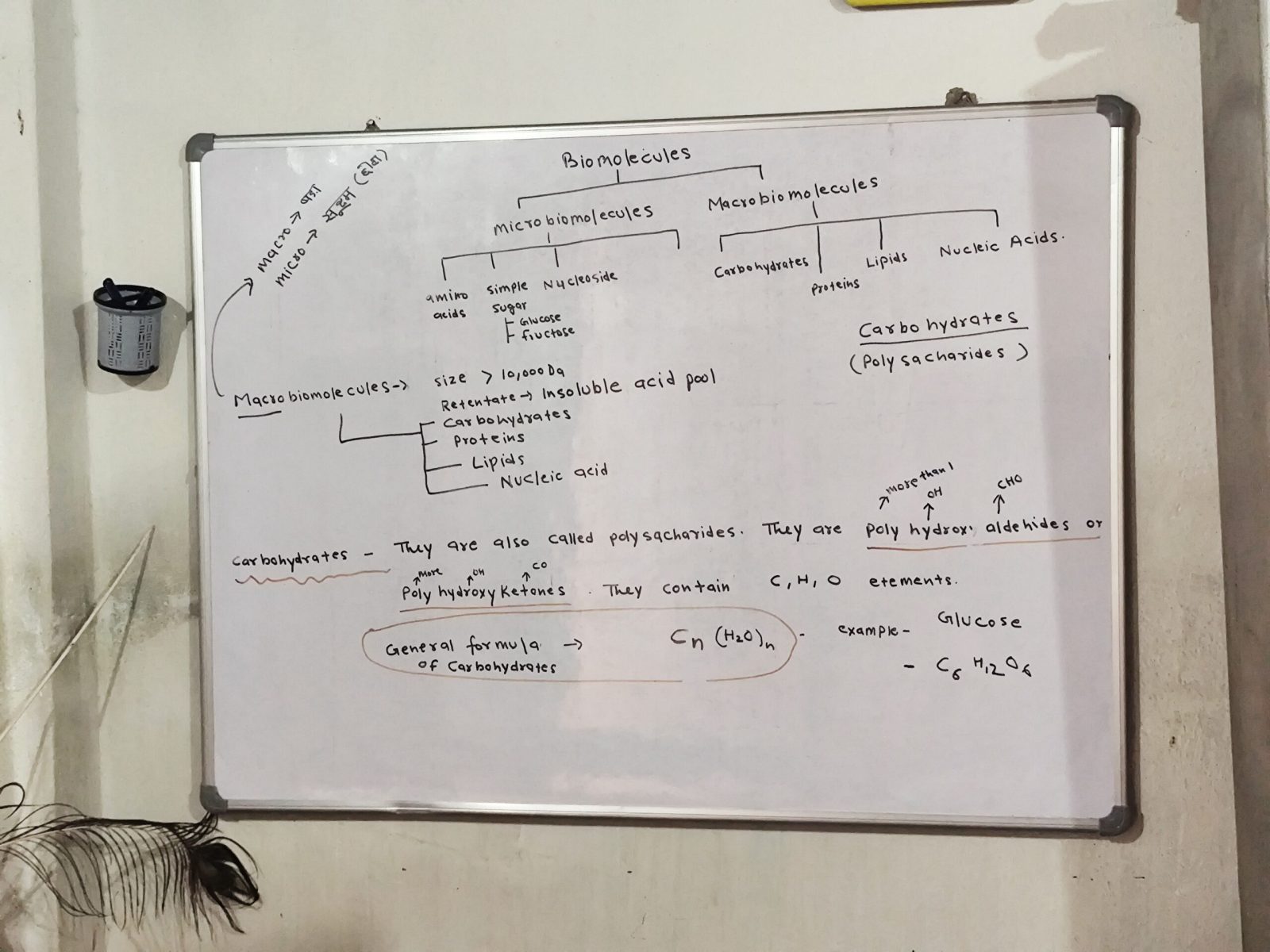
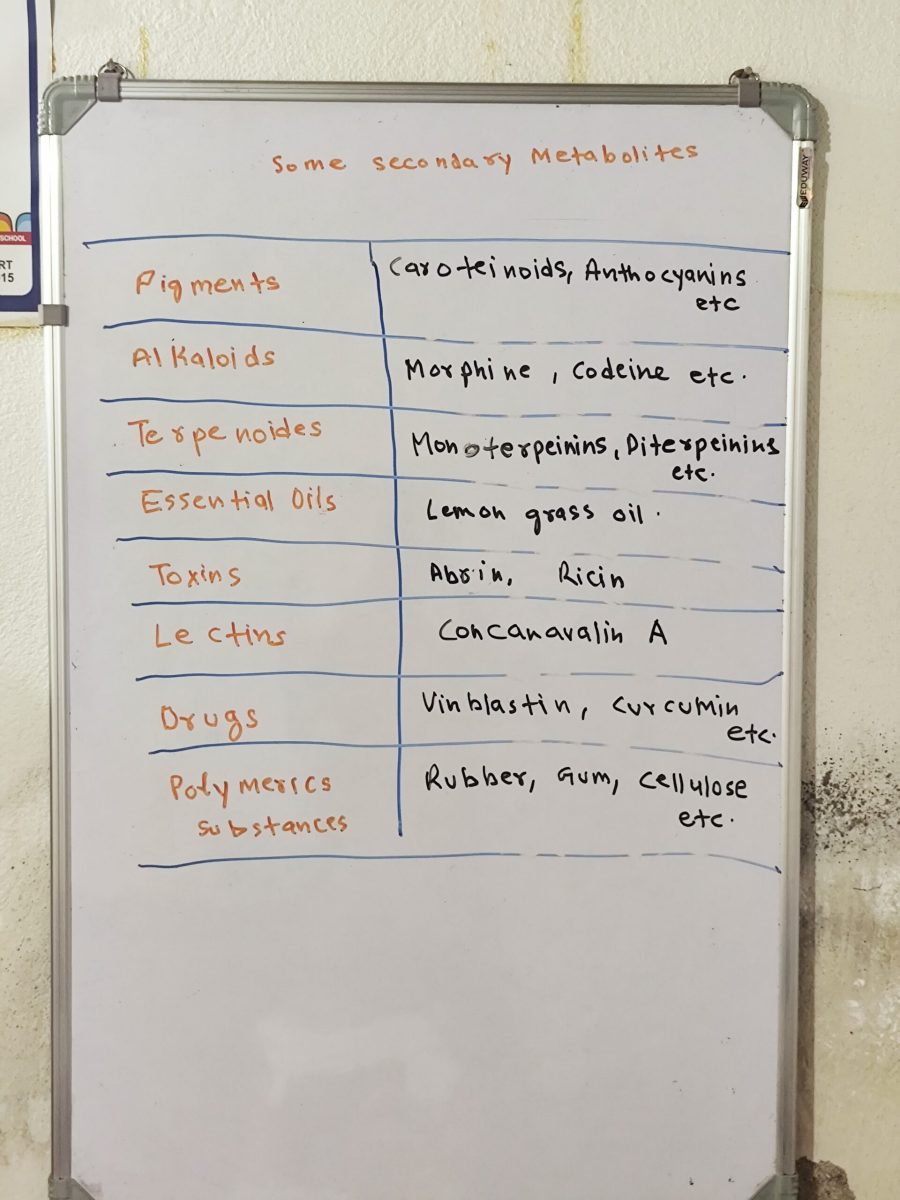
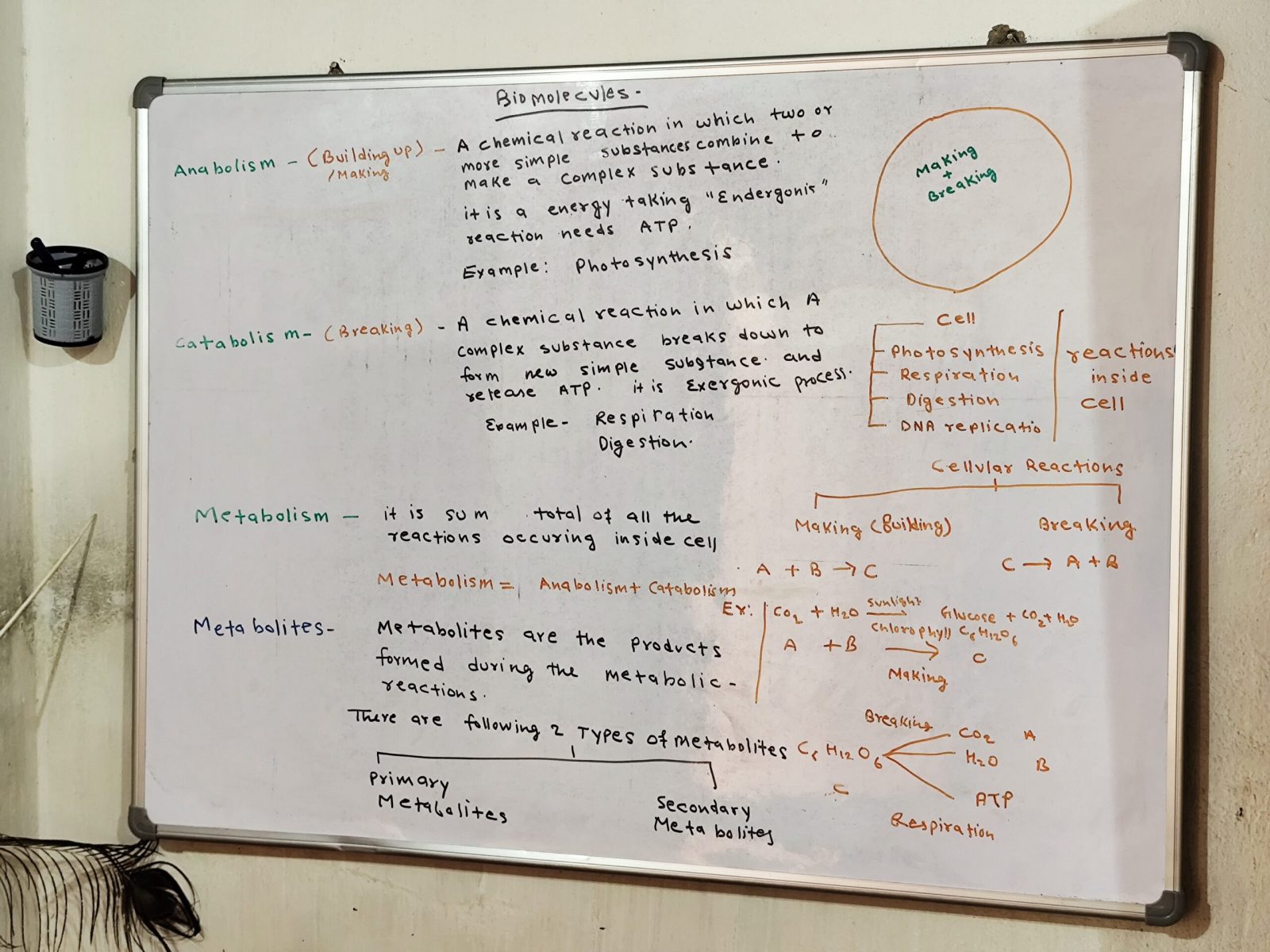
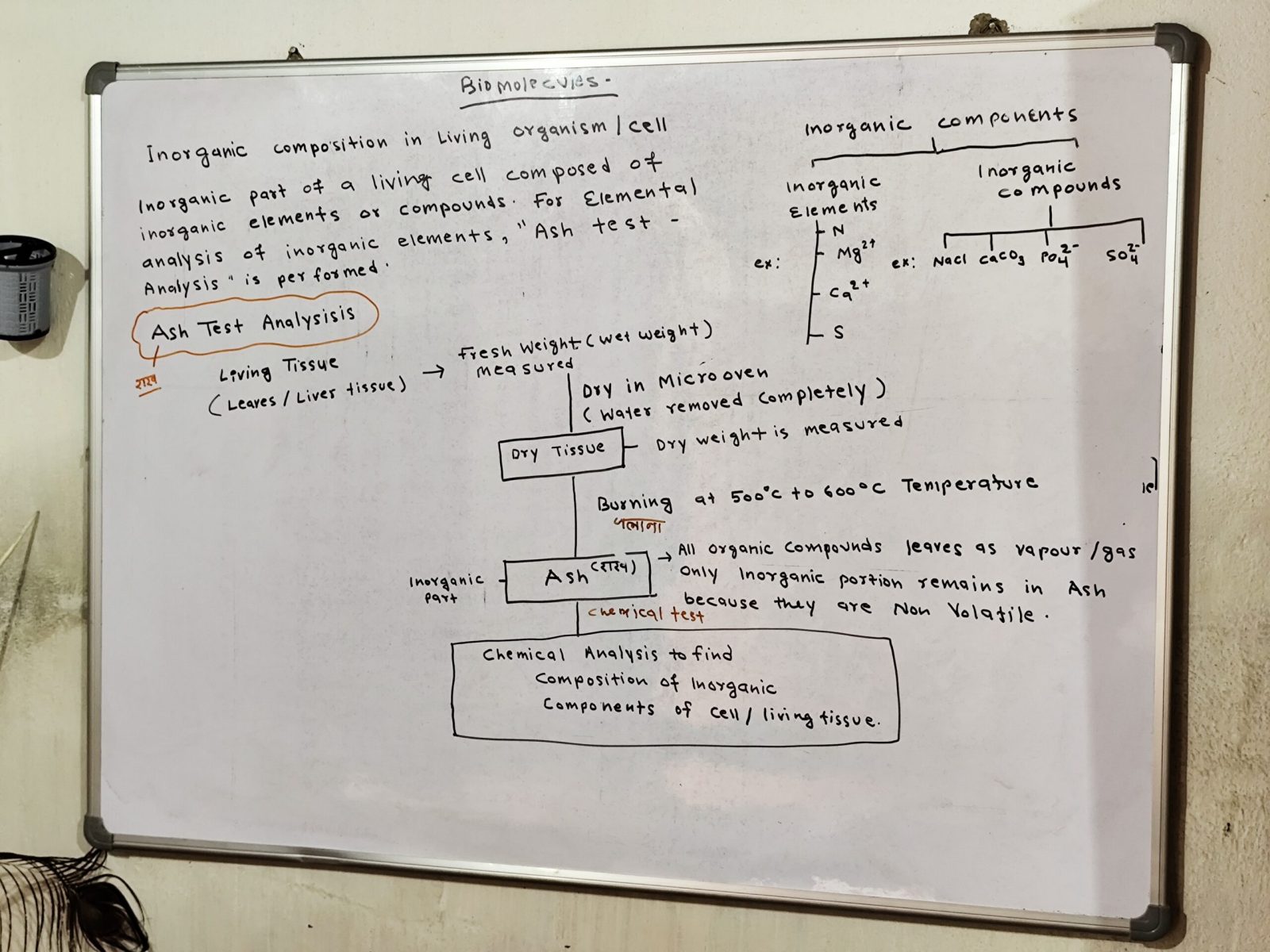
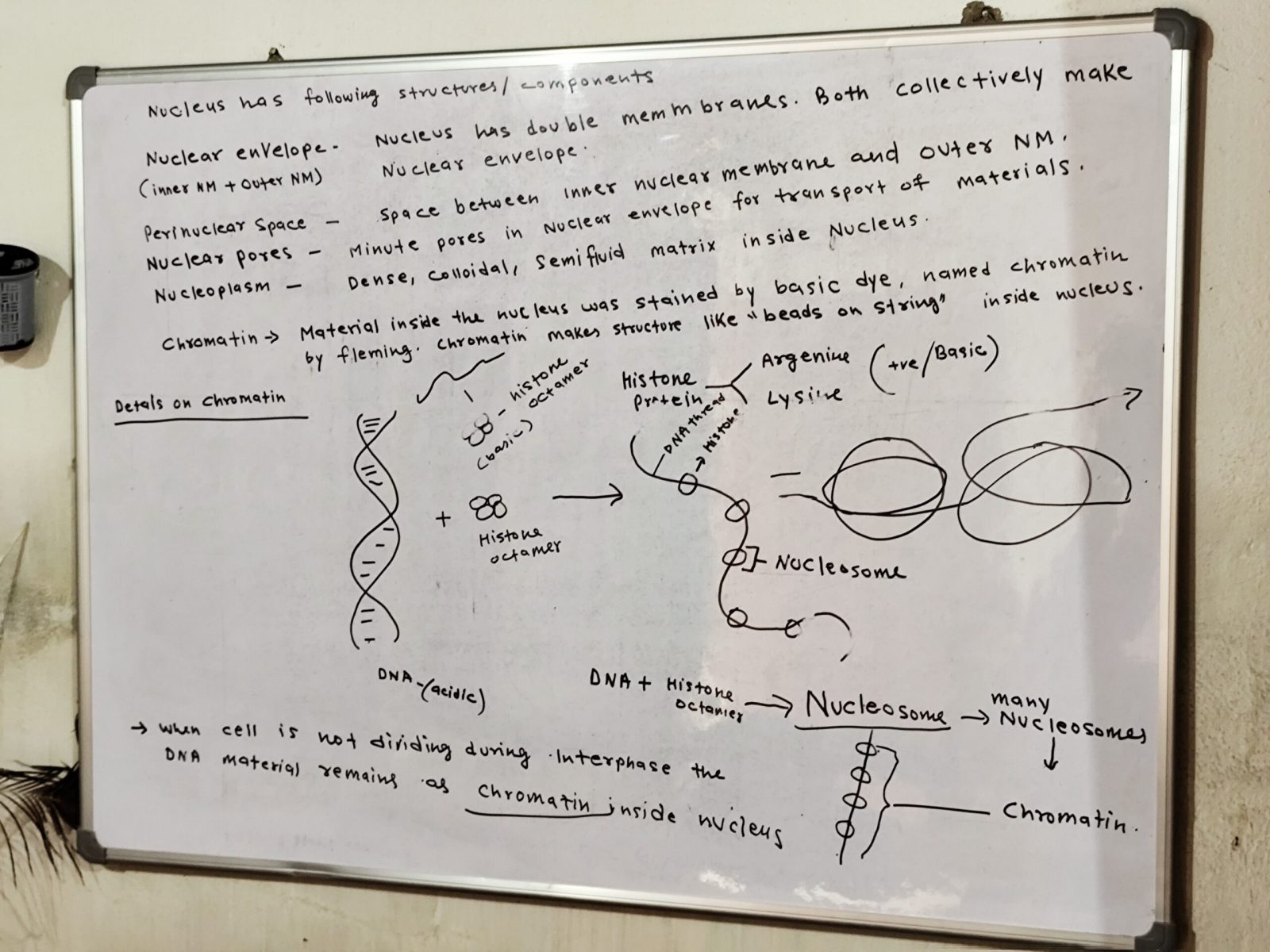
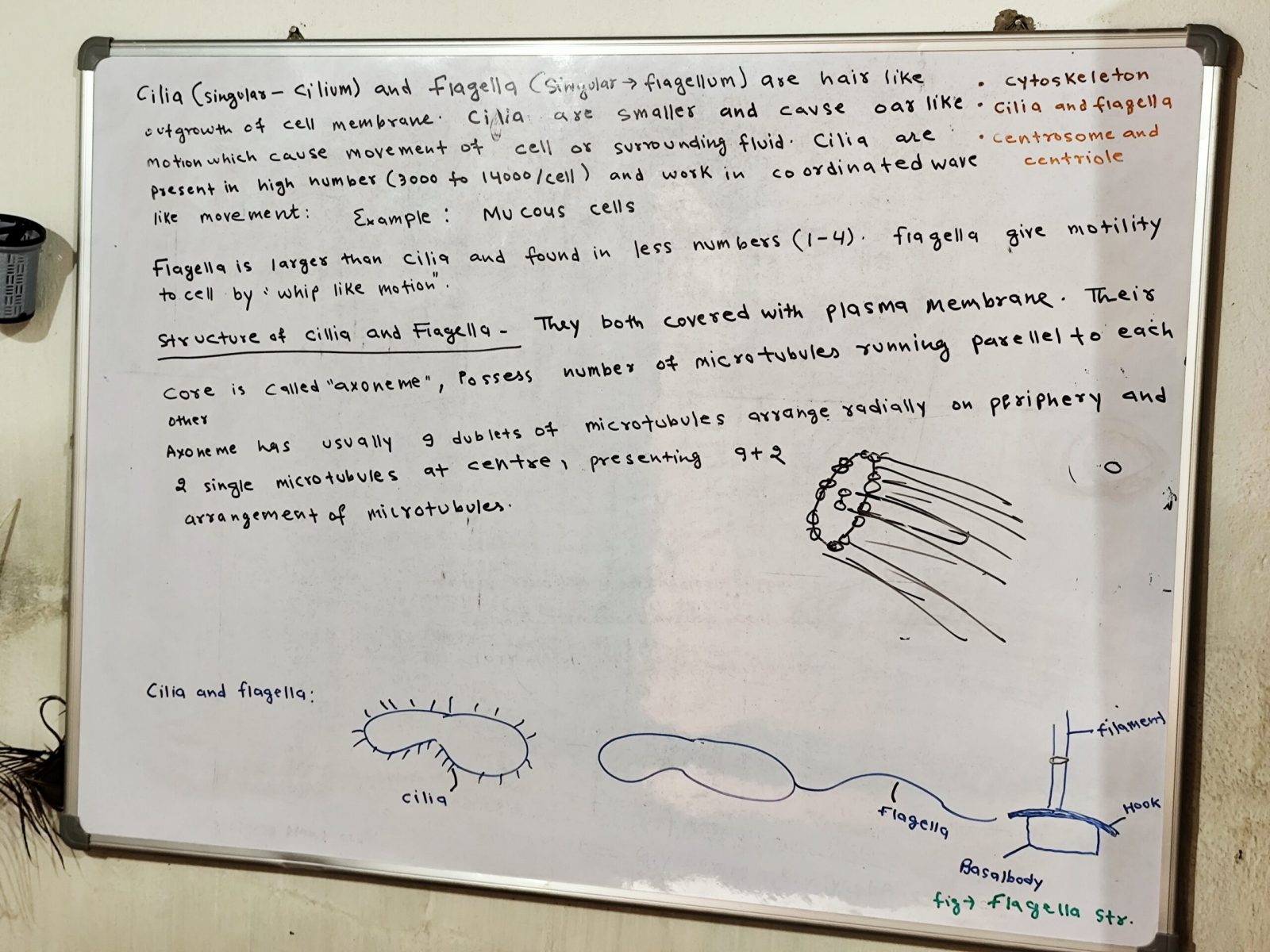
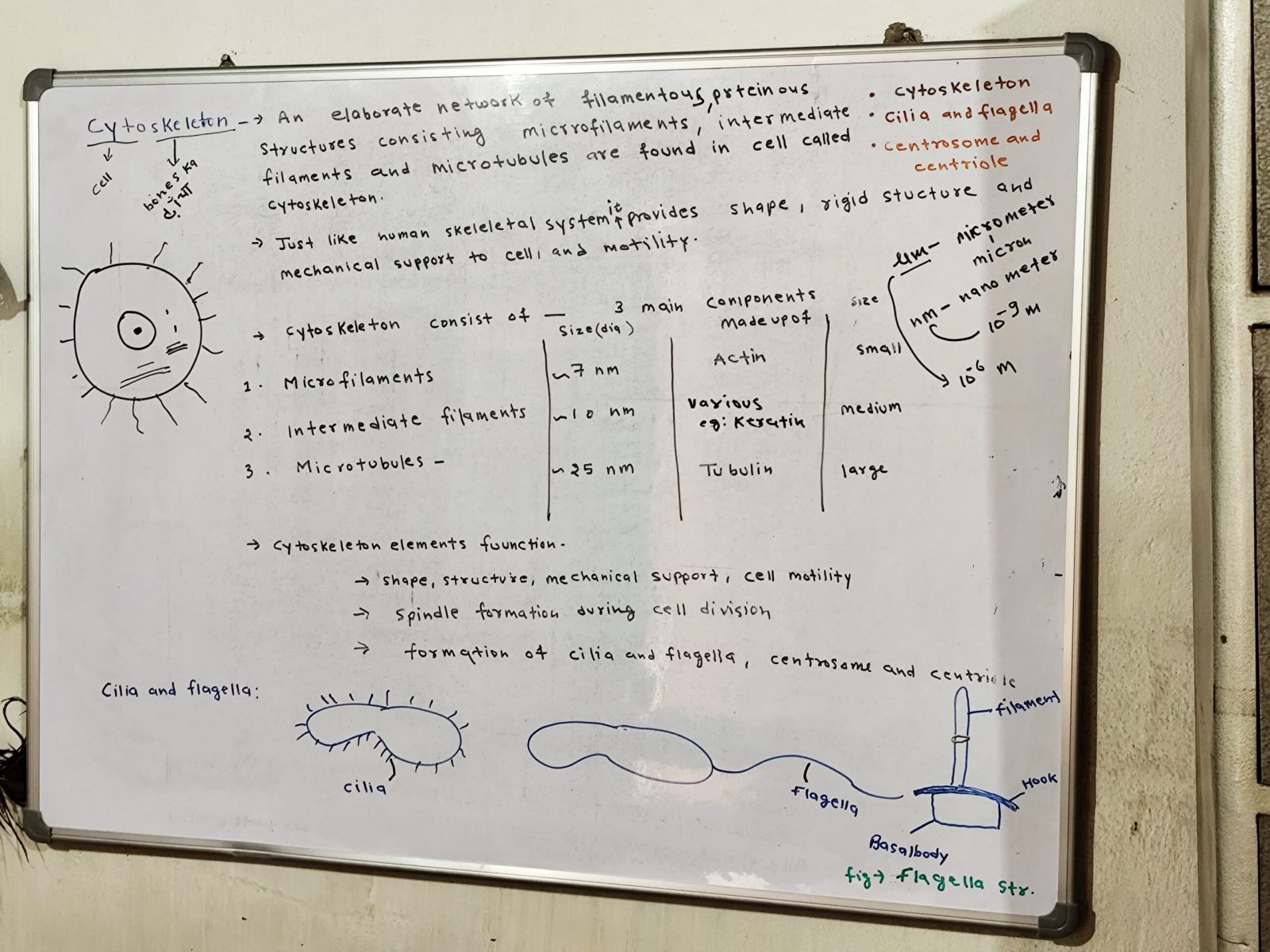
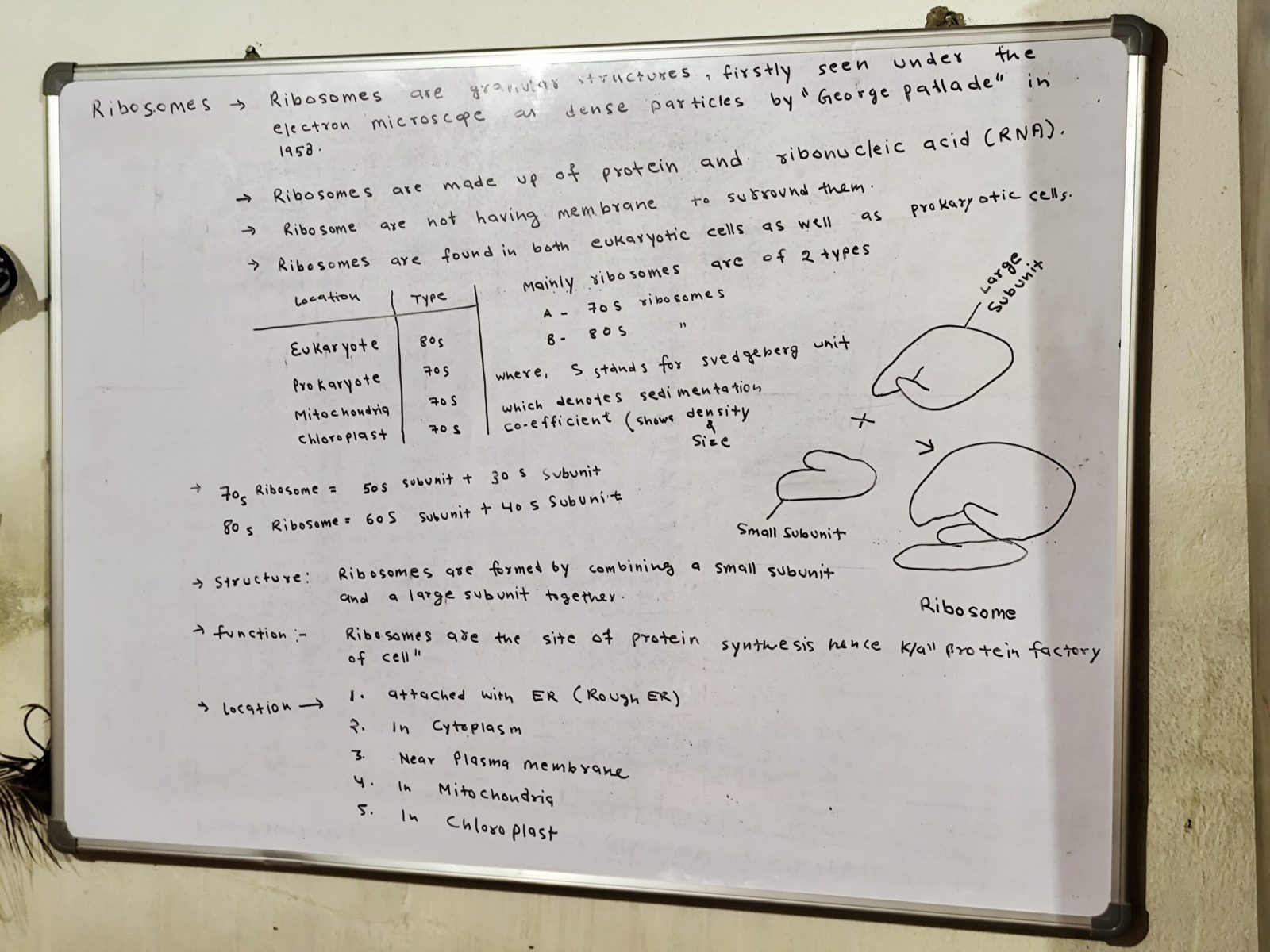
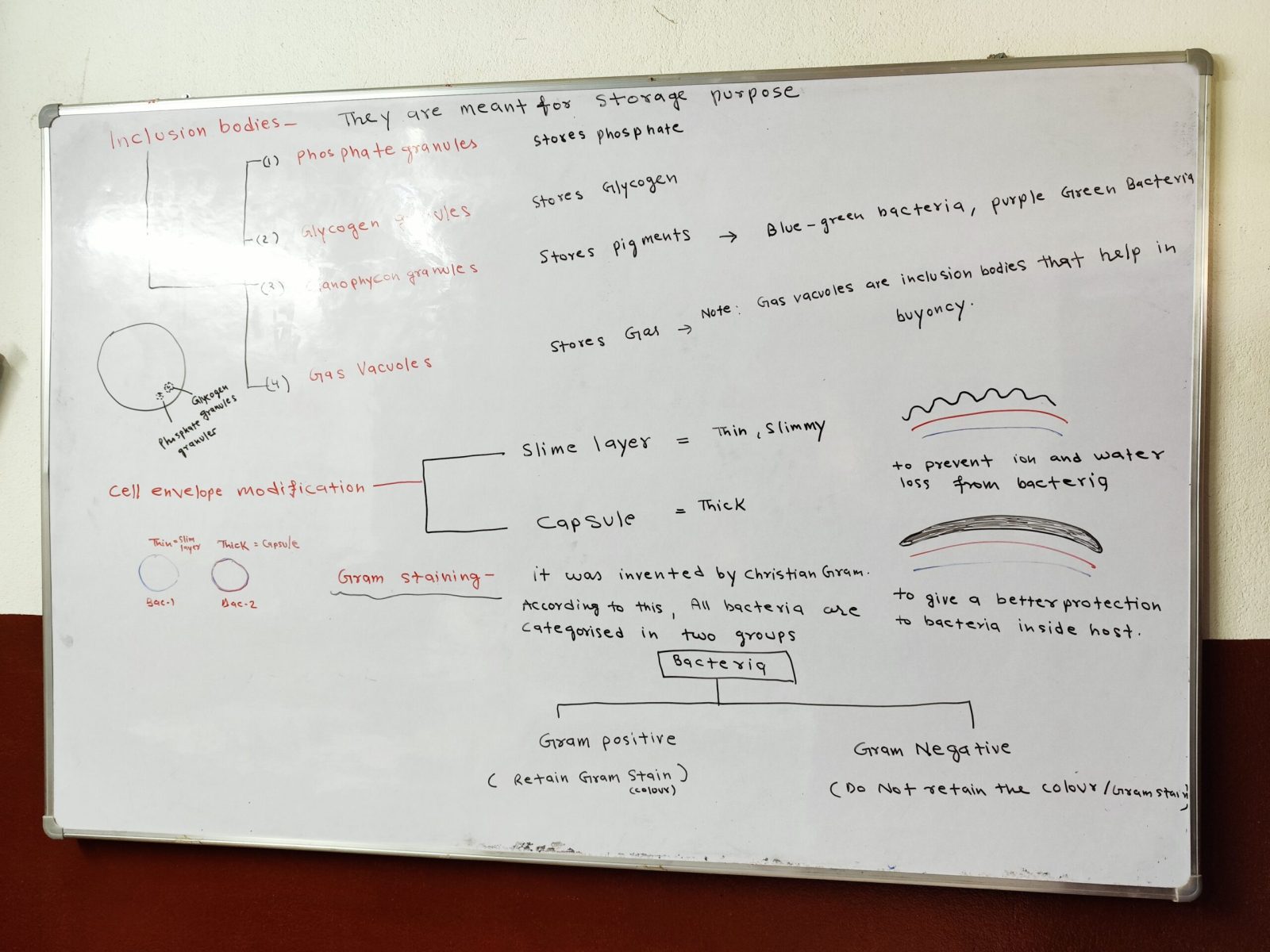
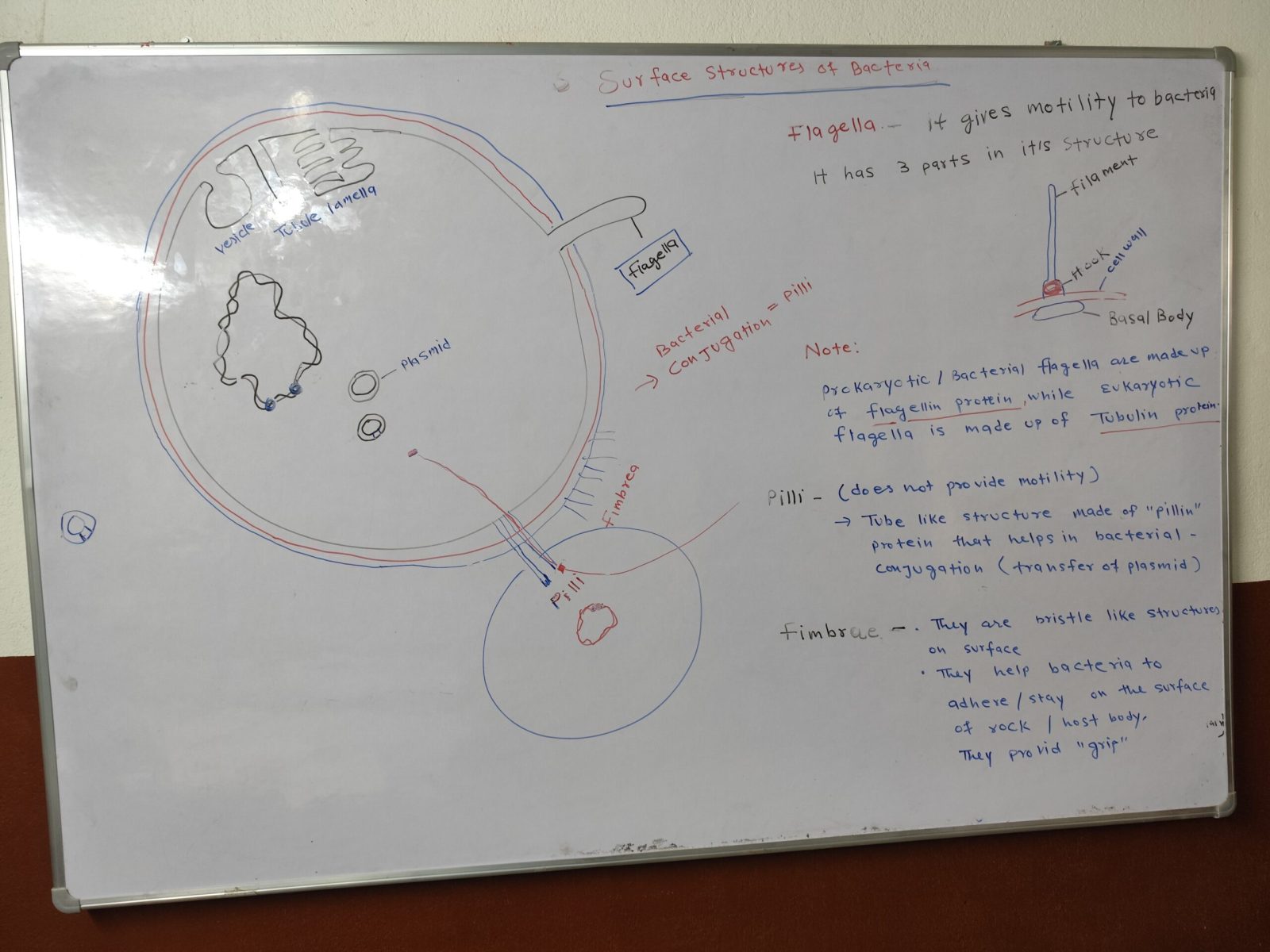
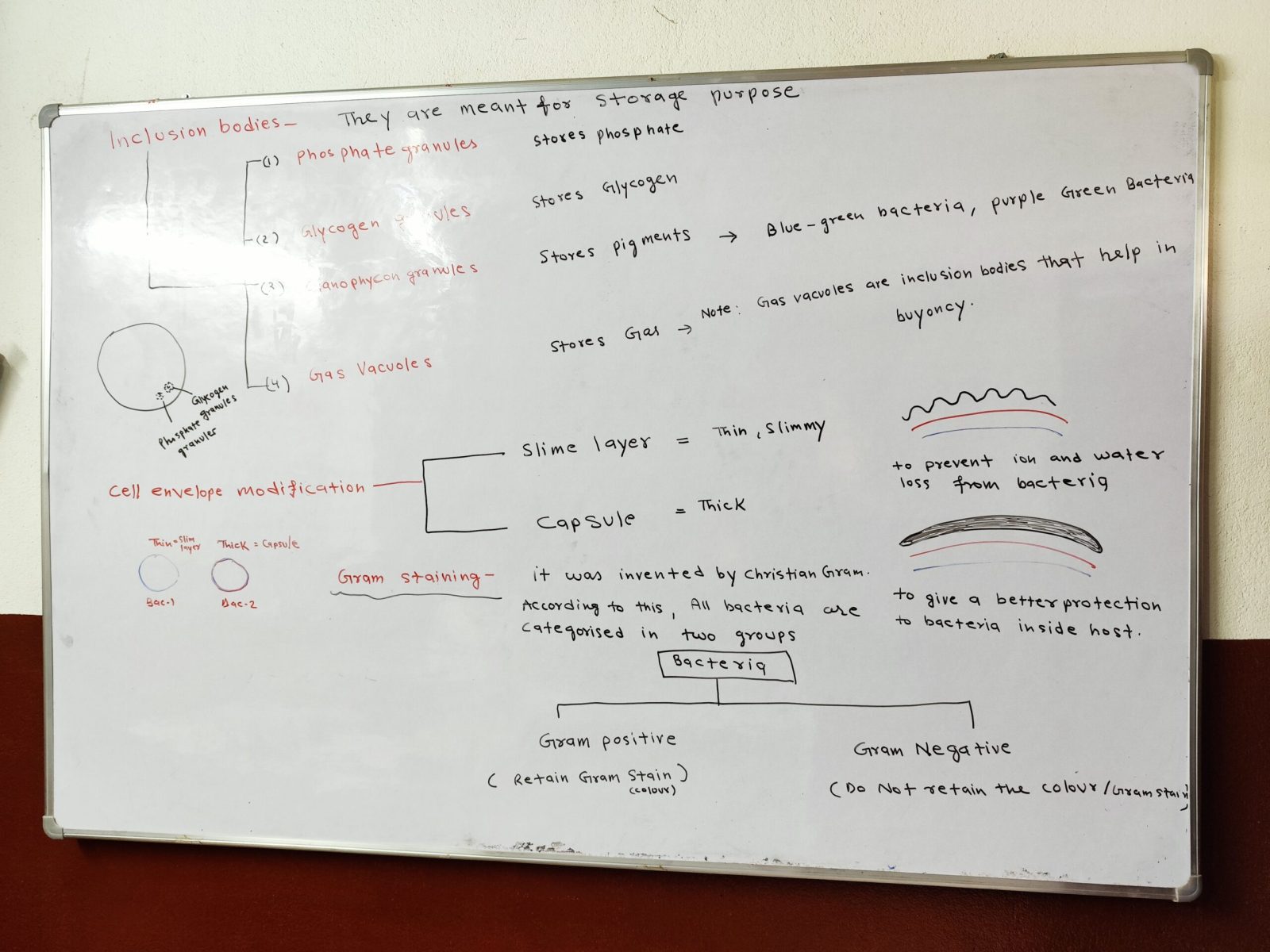
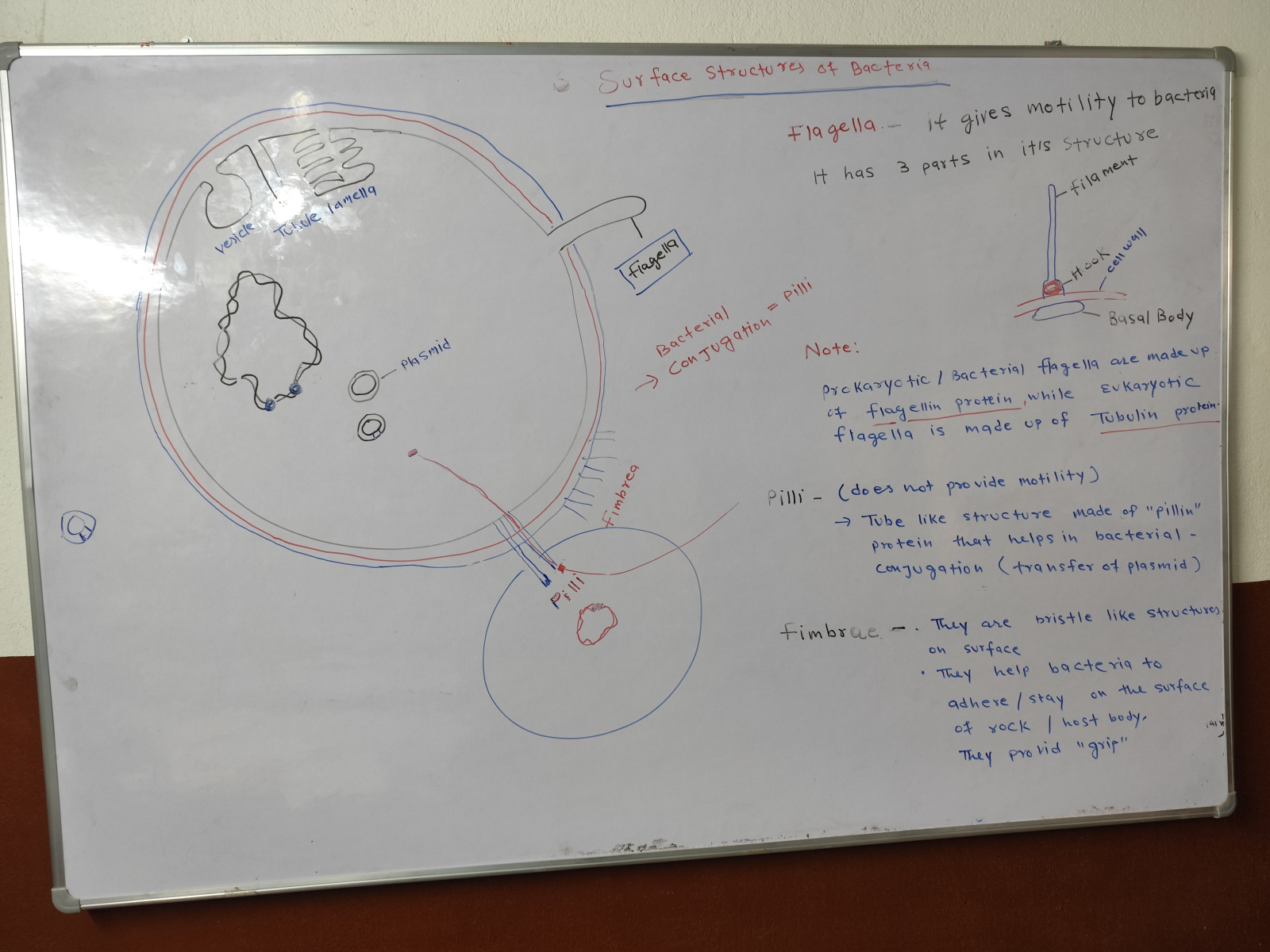
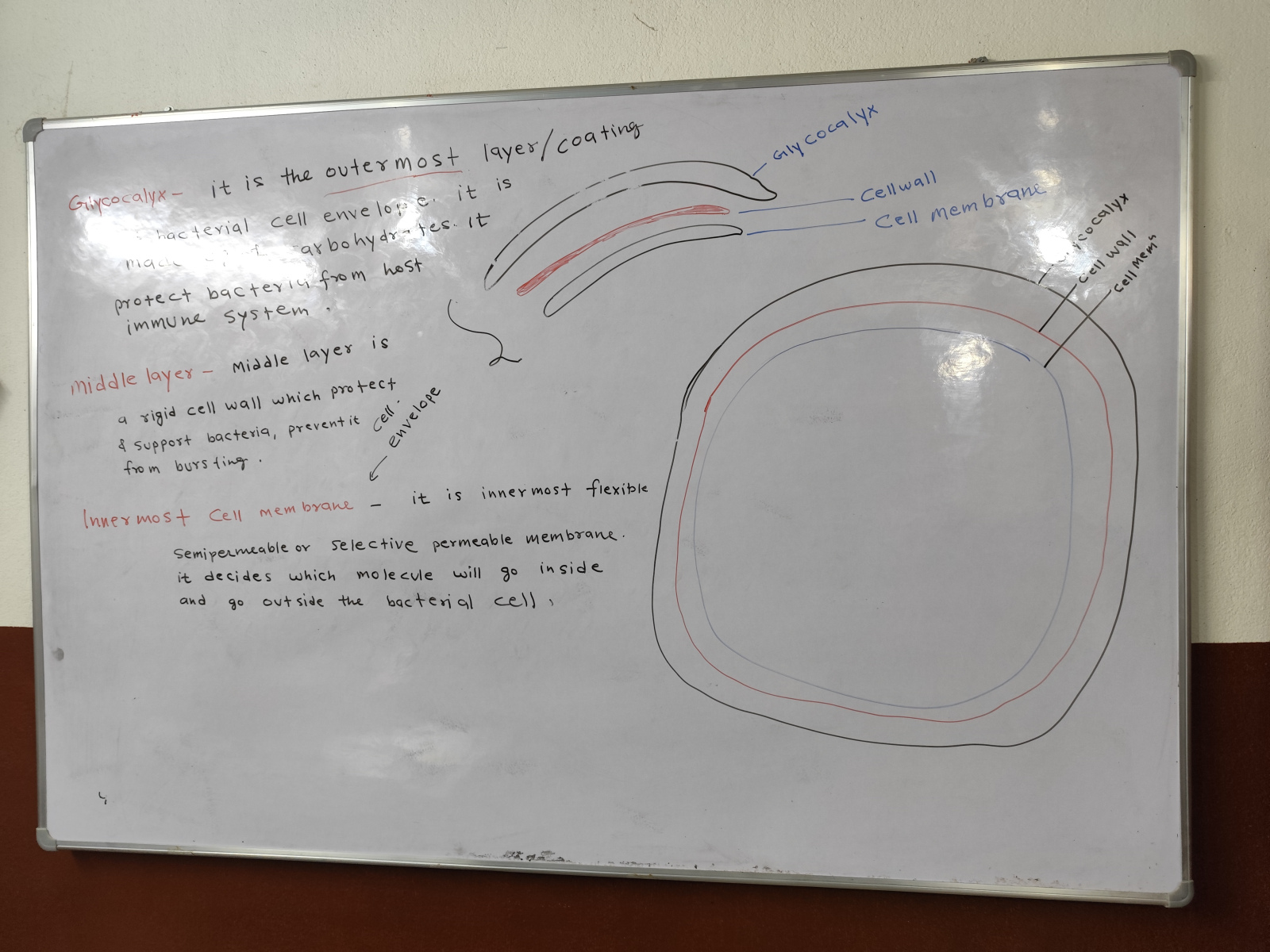
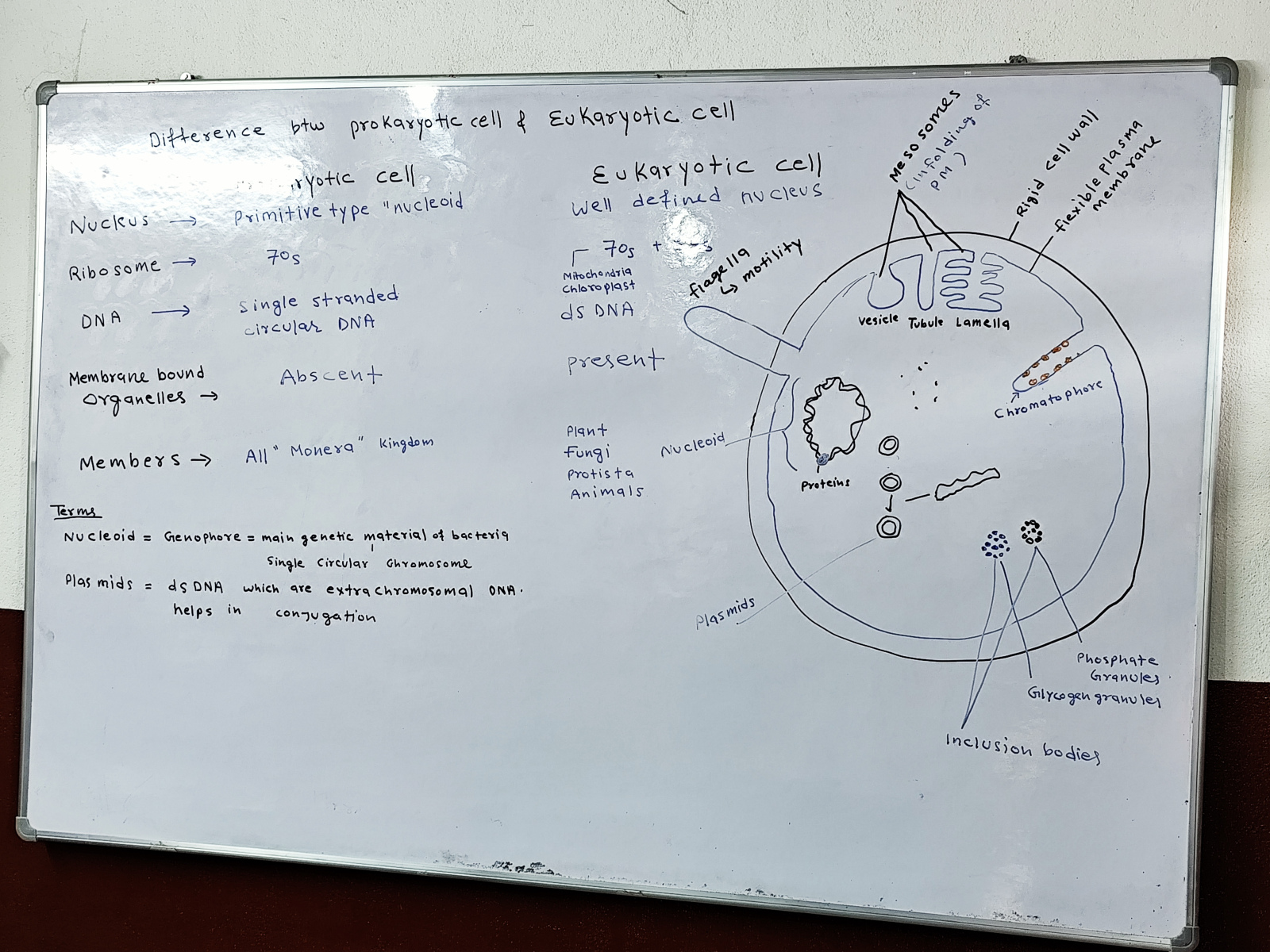
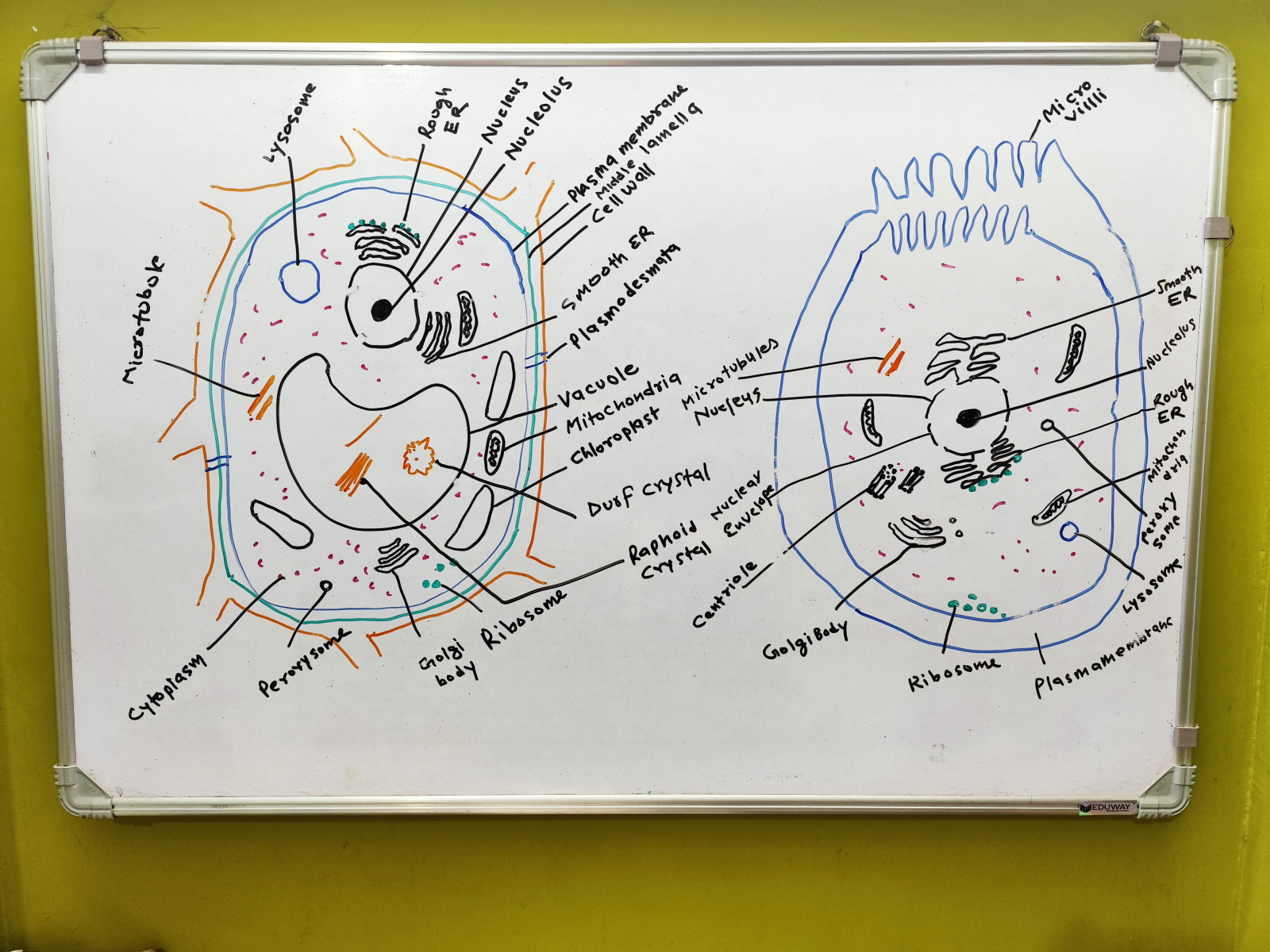
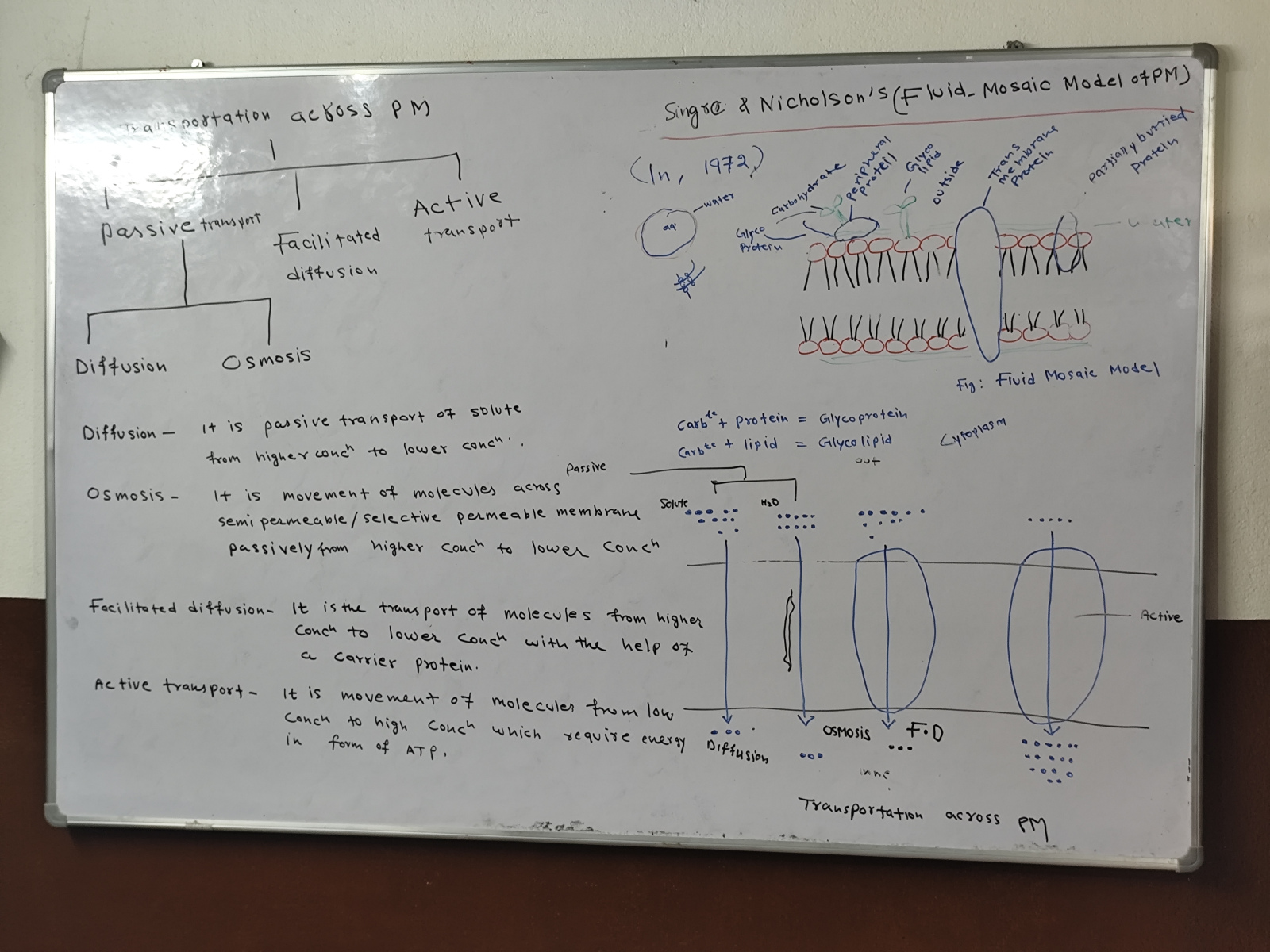
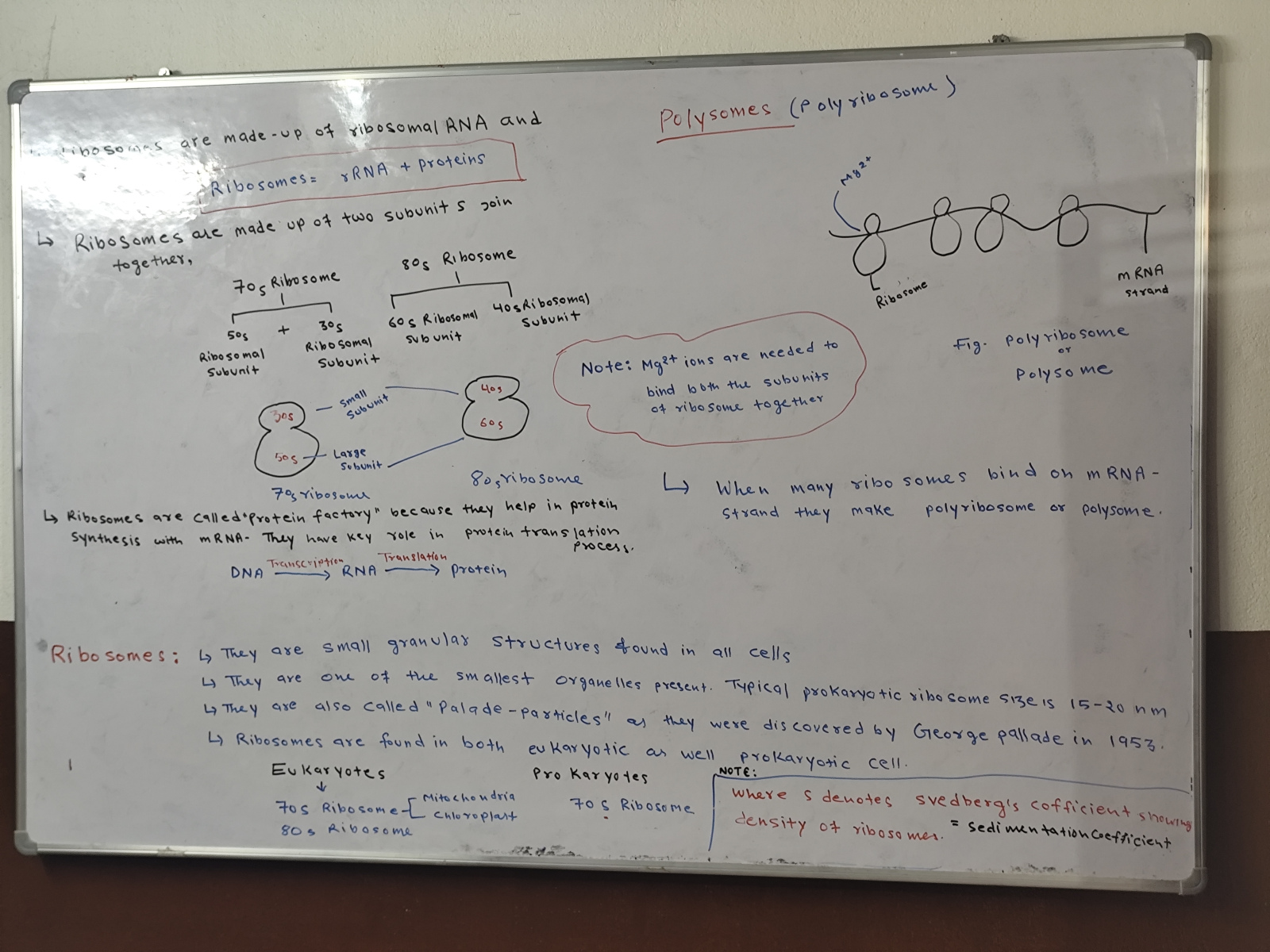
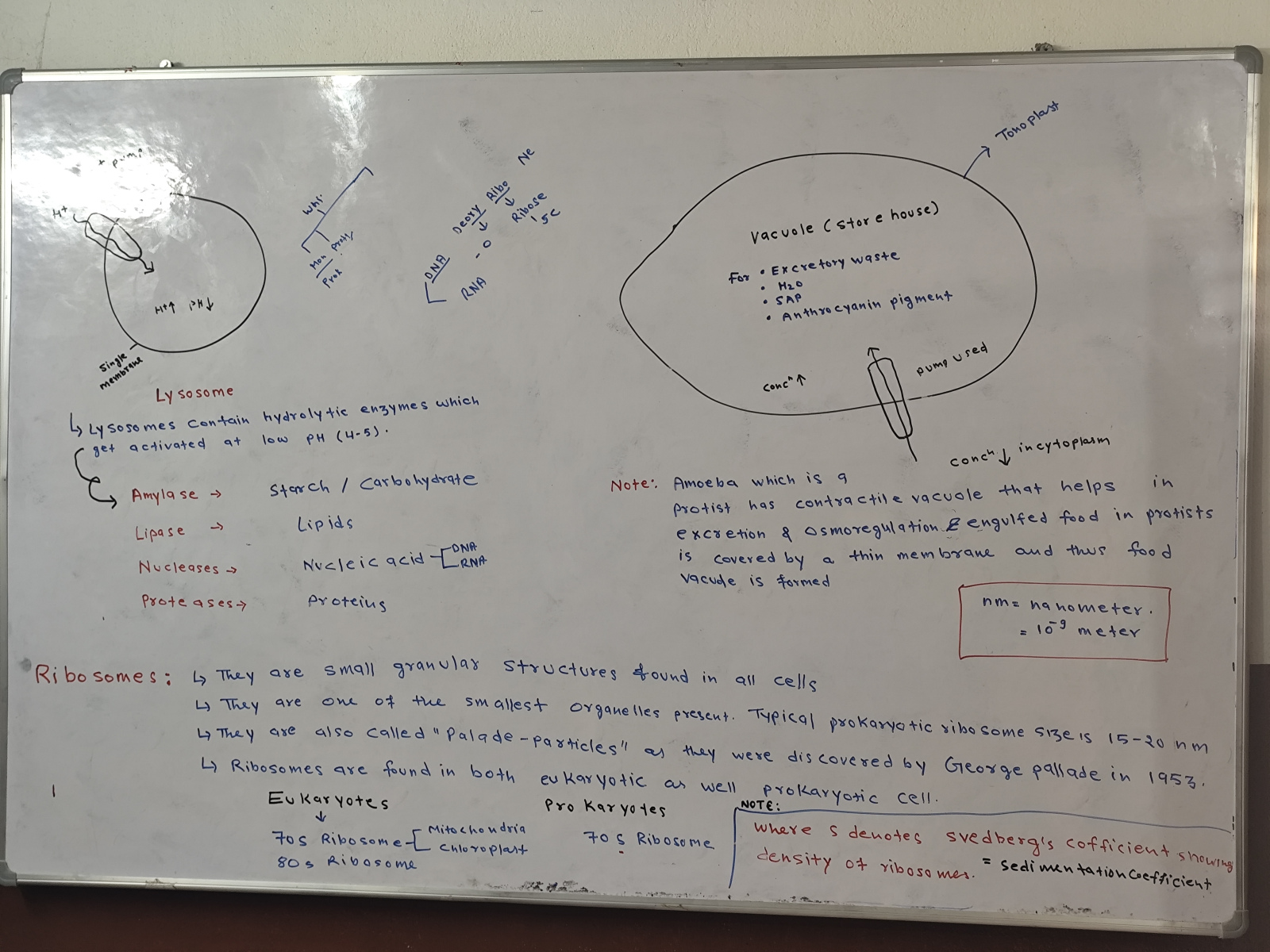
To make your preparation easy, we’ve compiled our classroom SlatePencil Biology Classes whiteboard snapshots into this quick-access digital album. These organized, handwritten layouts break down complex concepts into easy-to-remember visual summaries.
💡 How to Use This Album for Class 11:
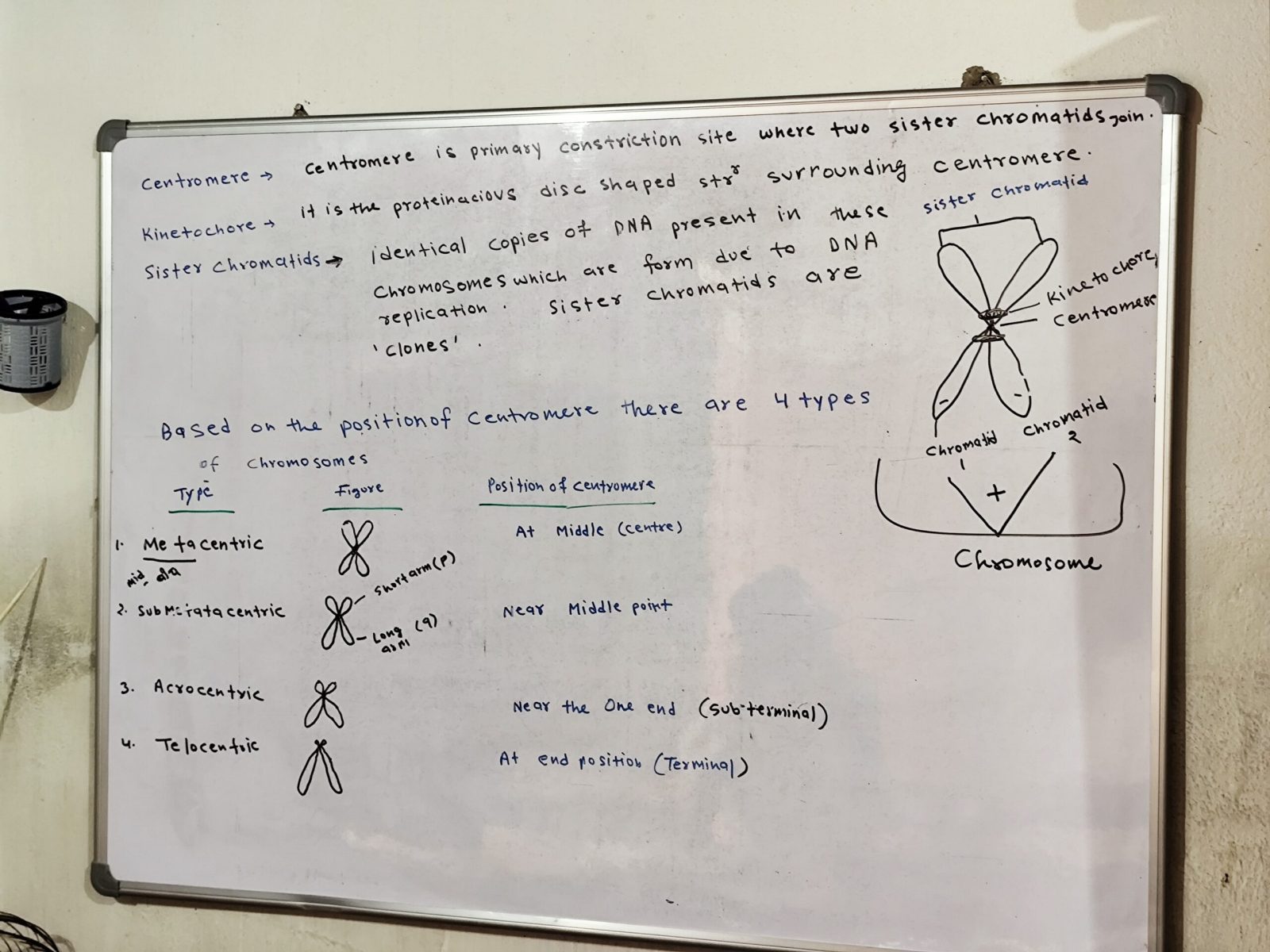
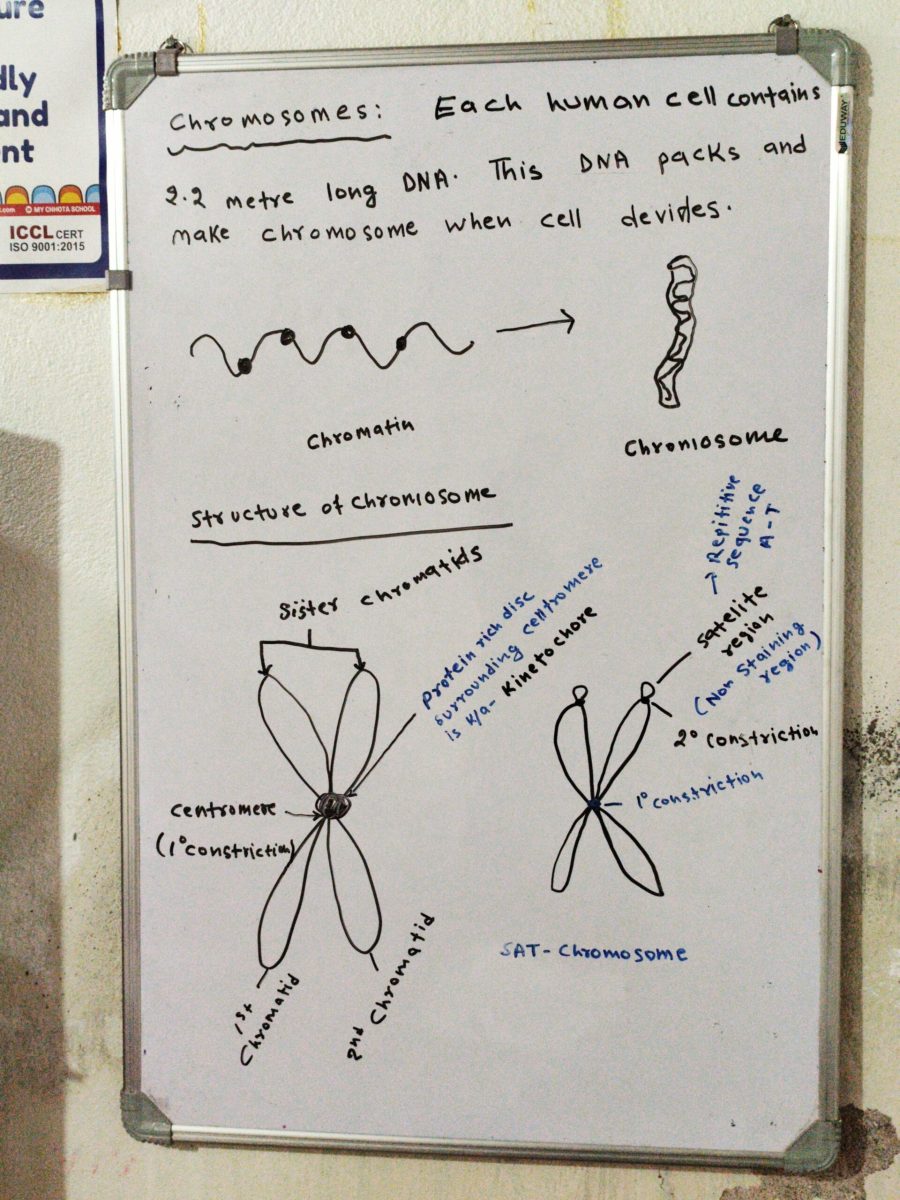
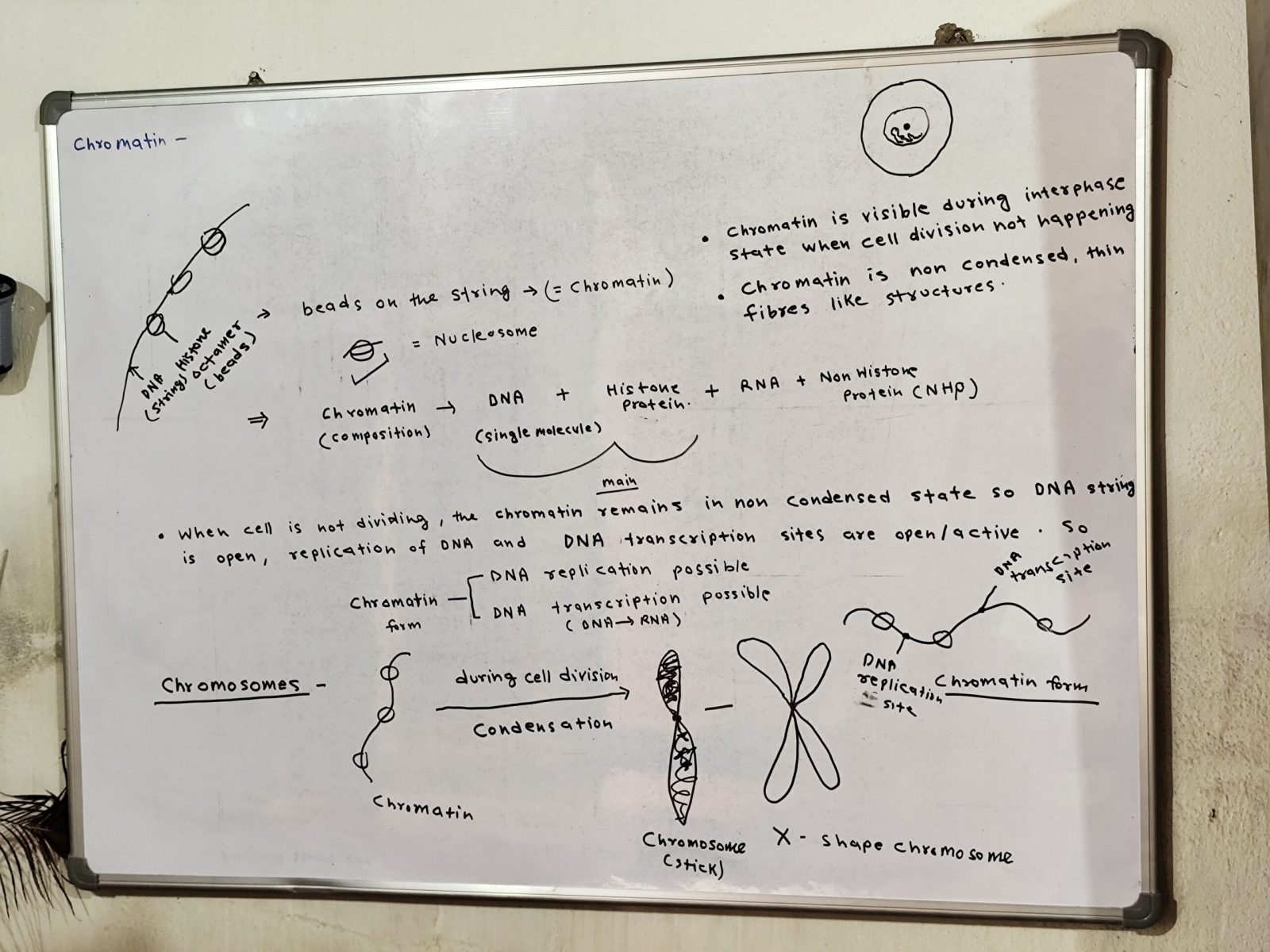
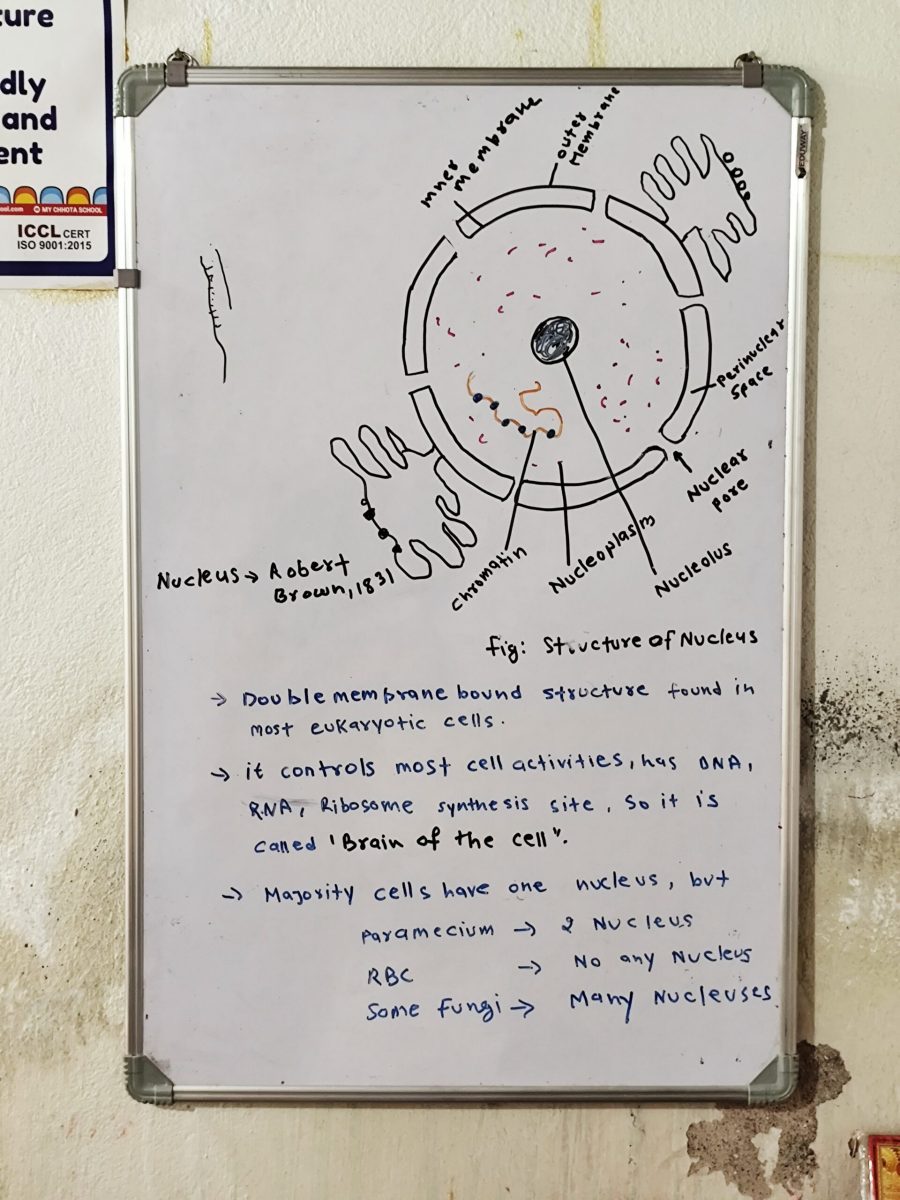
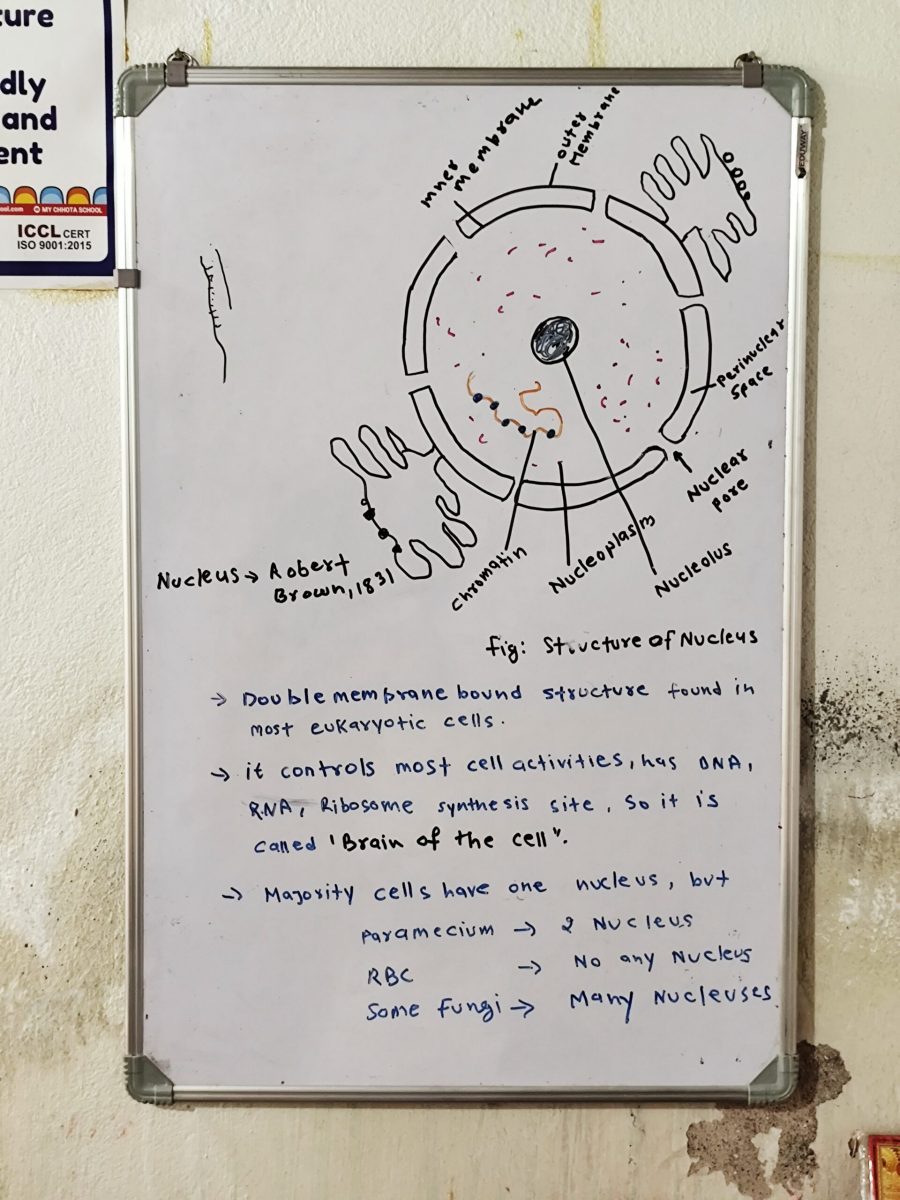
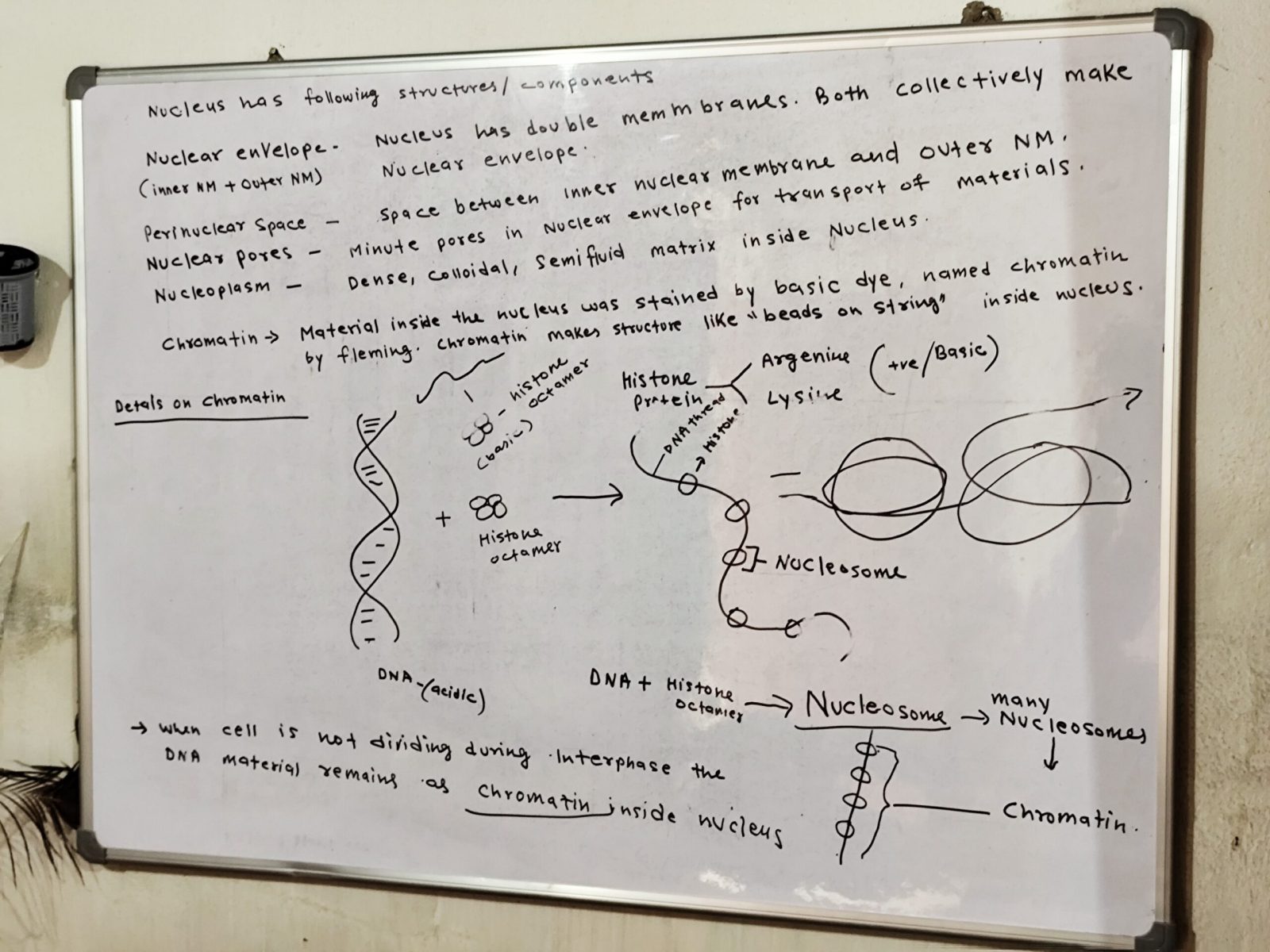
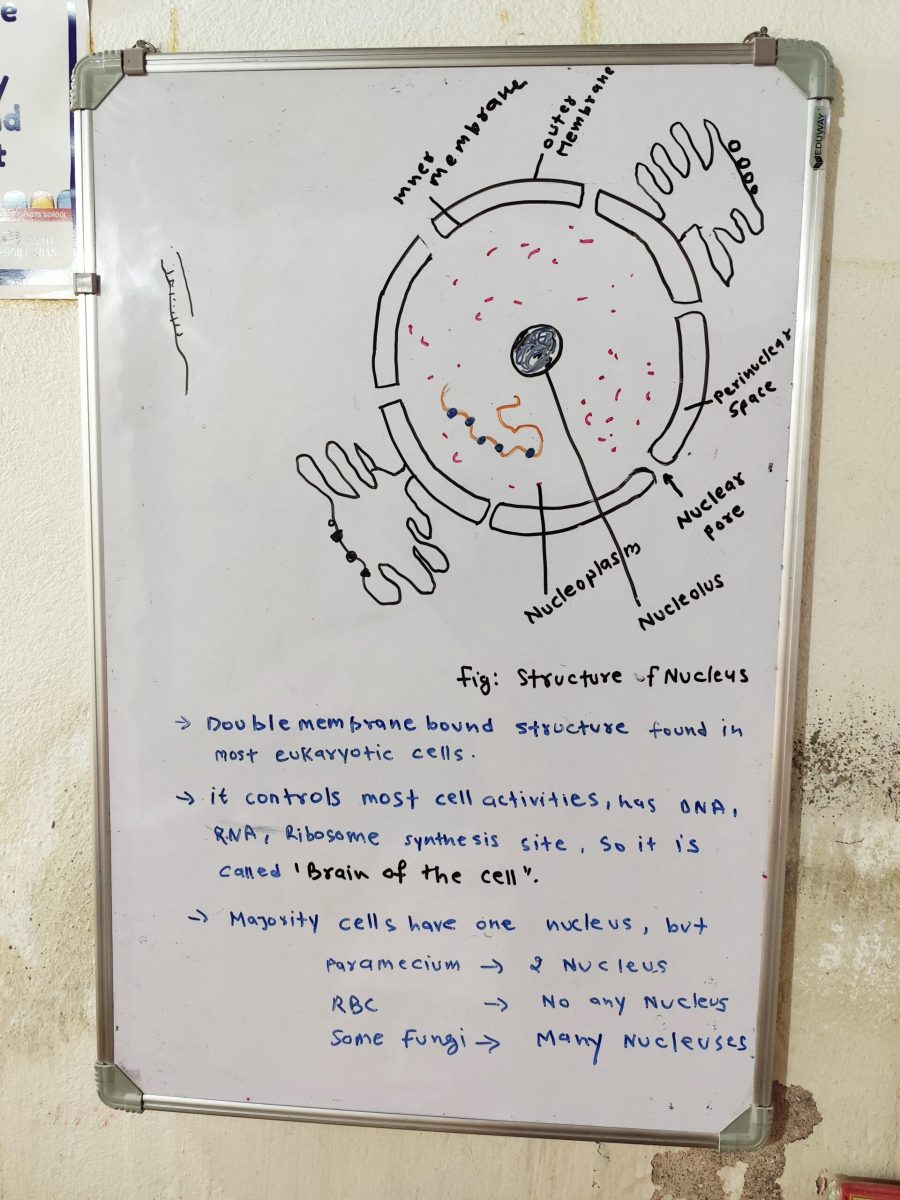
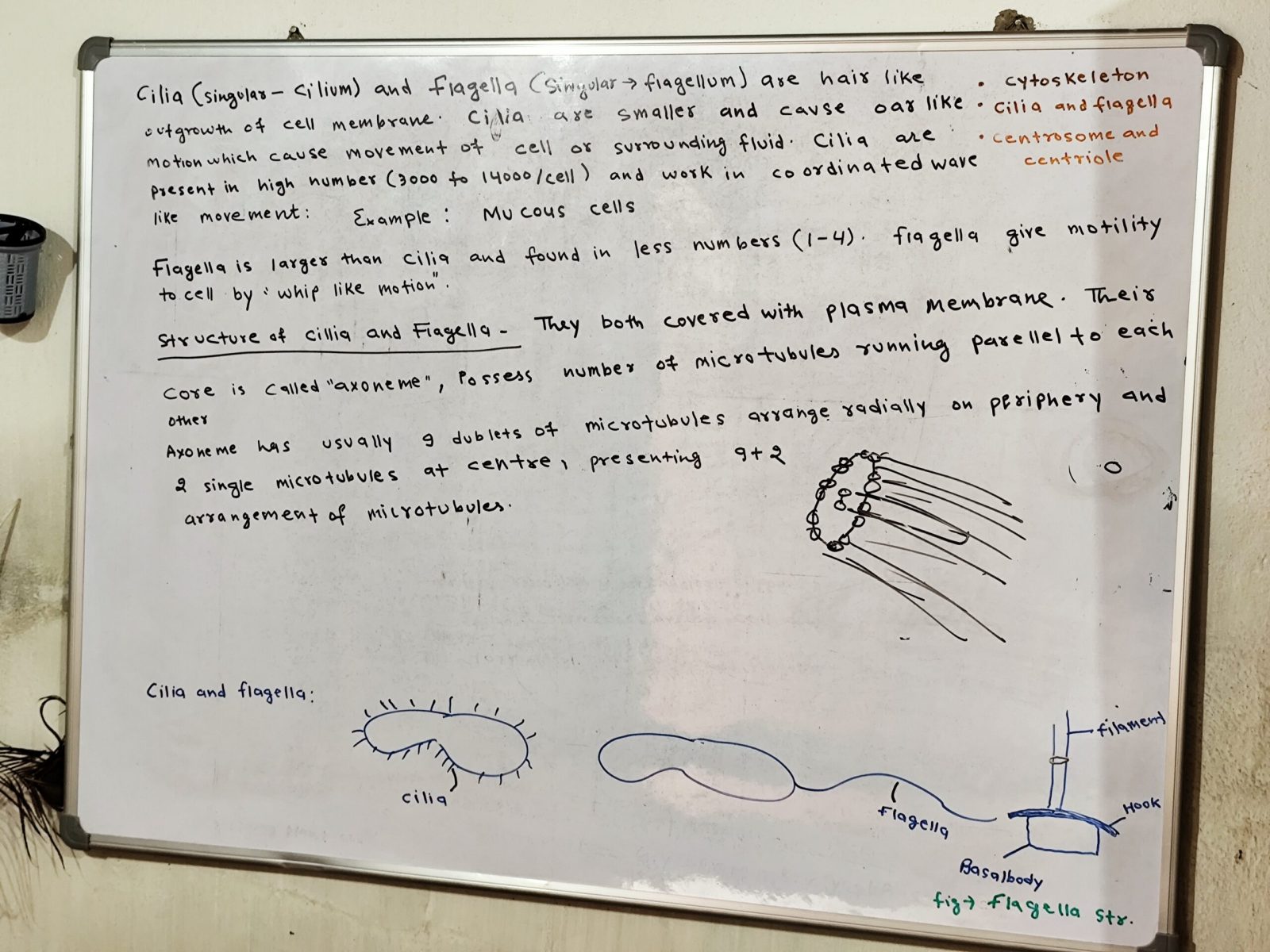
Master NCERT Diagrams: Click any image to view it full-screen. Use them to practice the exact, well-labeled diagrams required for your subjective exams.
Simplify Complex Cycles: Instantly review biochemical pathways, cell division stages, and physiological mechanisms through clean flowcharts.
Smart Revision: Bookmark this page on your phone for lightning-fast revision during weekly tests and finals.
📸 Explore the Lecture Album 👇
Class 11 Biology Whiteboard Snapshots by Slatepencil Biology Classes
When you visualize Biology, it becomes unforgettable. Grab your notebook, practice these layouts, and drop any questions in the comments below. See you in class!
Stick to your NCERT textbook, practice labeling diagrams regularly, and bridge the concepts together. Happy studying!
Stepping into Class 11 can feel like a massive leap, especially if you have your sights set on medical entrances like NEET or simply want to ace your board exams. Biology changes from a single chapter in your junior science textbook into a vast, beautifully complex ocean of life sciences.
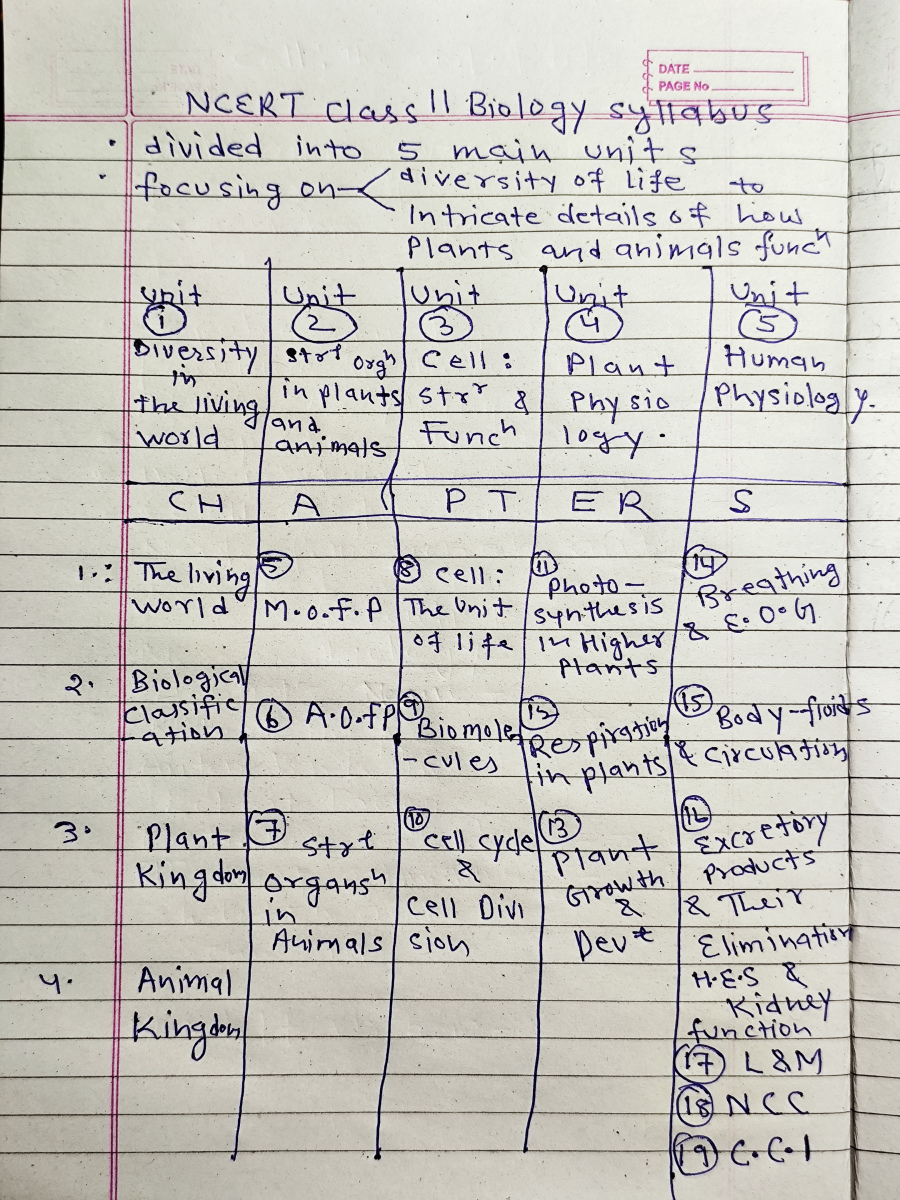
To help you navigate this journey without feeling overwhelmed, we have mapped out the entire Class 11 Biology syllabus into five core units. Think of this as your strategic roadmap to understanding the fundamentals of life.
Unit 1: Diversity in the Living World
“Exploring the Variety of Life”
Before diving into how organisms function, you need to know who they are. This introductory unit is all about sorting the chaotic beauty of nature into an organized system. It sets the foundational language for the rest of your Biology journey.
1. The Living World: What does it actually mean to be “alive”? You’ll learn about the defining characteristics of life and the basics of nomenclature (naming organisms).
2. Biological Classification: An introduction to the Five Kingdom classification system (Monera, Protista, Fungi, Plantae, and Animalia).
3. Plant Kingdom: A deeper dive into the green world, covering everything from simple algae to complex angiosperms.
4. Animal Kingdom: From porous sponges to mammals, this chapter classifies the incredible diversity of animal life based on their body symmetry and structures.
Study Tip: Create a master chart for biological classification. Grouping characteristics side-by-side makes it much easier to memorize the differences between kingdoms and phyla.
Unit 2: Structural Organisation in Plants and Animals
“The Architecture of Organisms”
Once you know the broad categories of life, it’s time to zoom in. This unit shifts the focus from broad classification to the specific physical and anatomical blueprints of plants and animals.
5. Morphology of Flowering Plants: The study of external structures—roots, stems, leaves, flowers, fruits, and seeds.
6. Anatomy of Flowering Plants: Peeking under the microscope to understand internal tissues and how plants grow in thickness (secondary growth).
7. Structural Organisation in Animals: An exploration of animal tissues and the organ systems of specific organisms.
Unit 3: Cell: Structure and Functions
“The Fundamentals of Life”
This is arguably the most critical unit in the entire syllabus. Every living thing is made of cells, and understanding how a cell functions is the secret key to unlocking both plant and human physiology.
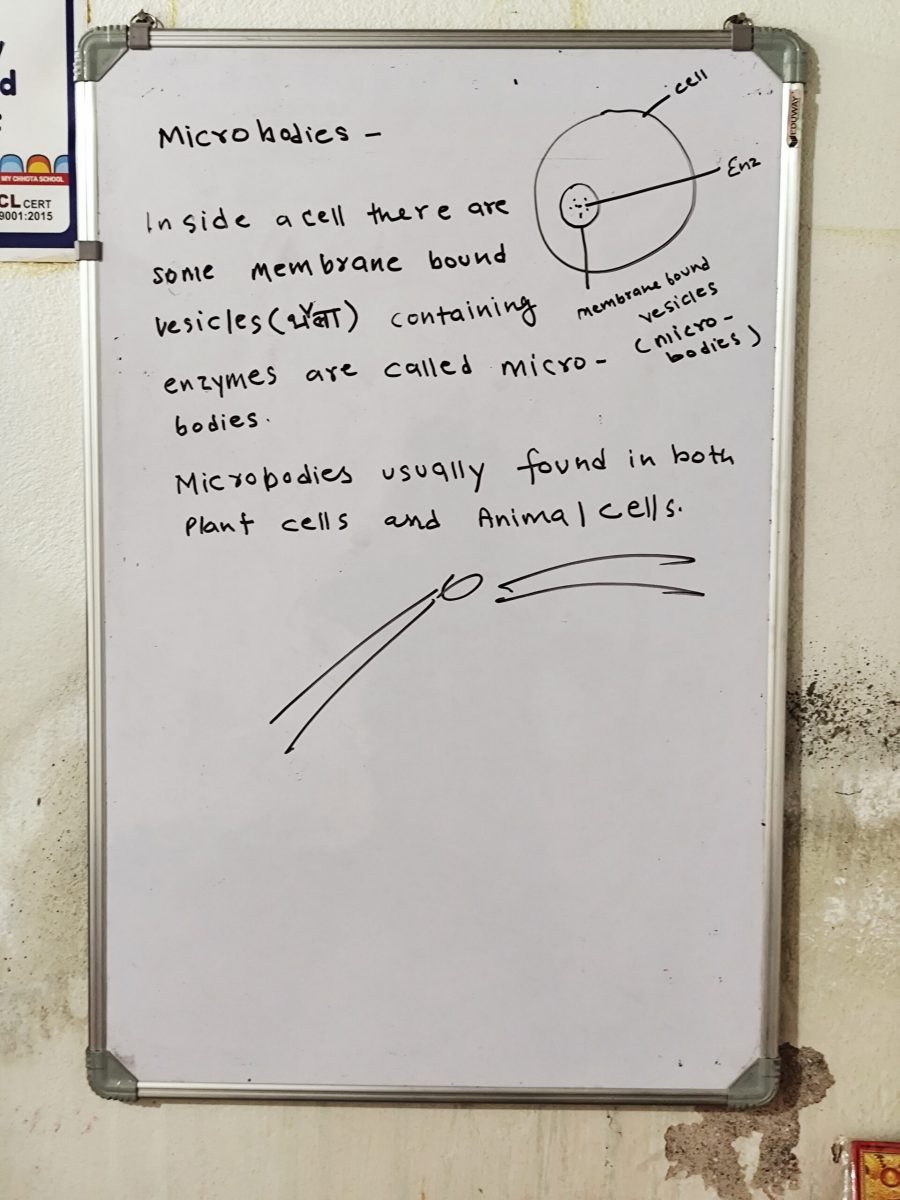
8. Cell: The Unit of Life: A guided tour of the cell, exploring the membrane, nucleus, and various organelles that act like tiny factories.
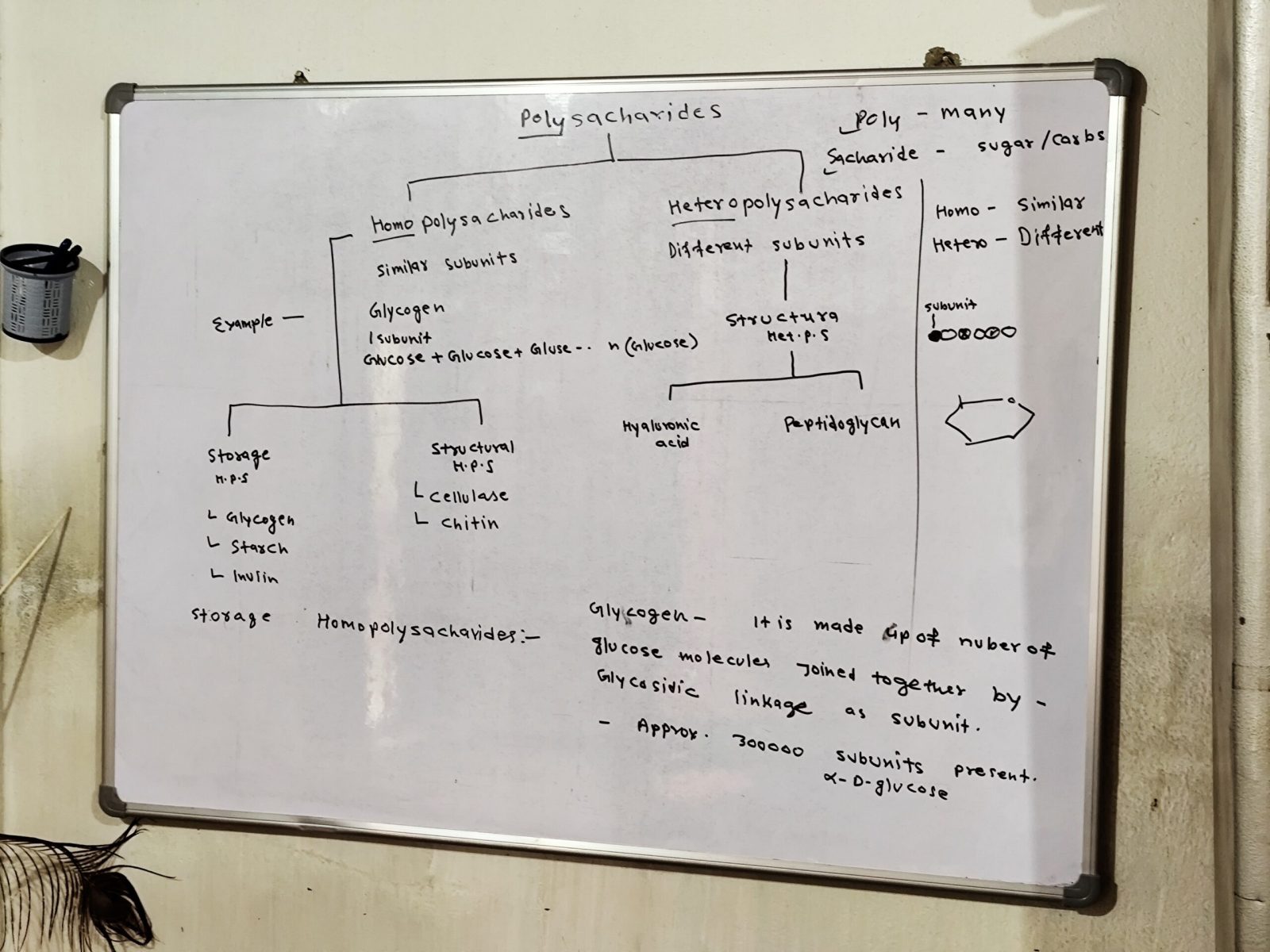
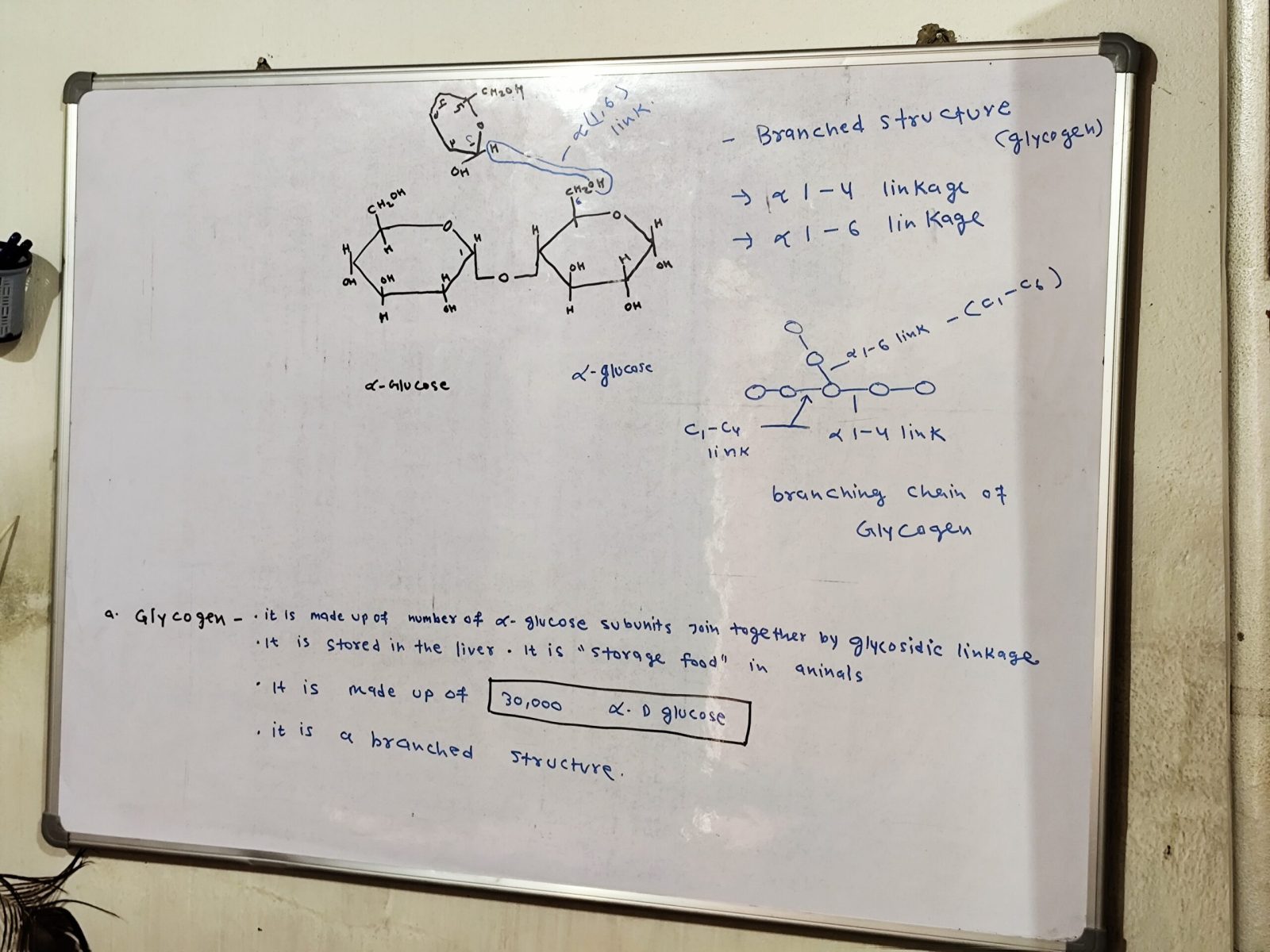
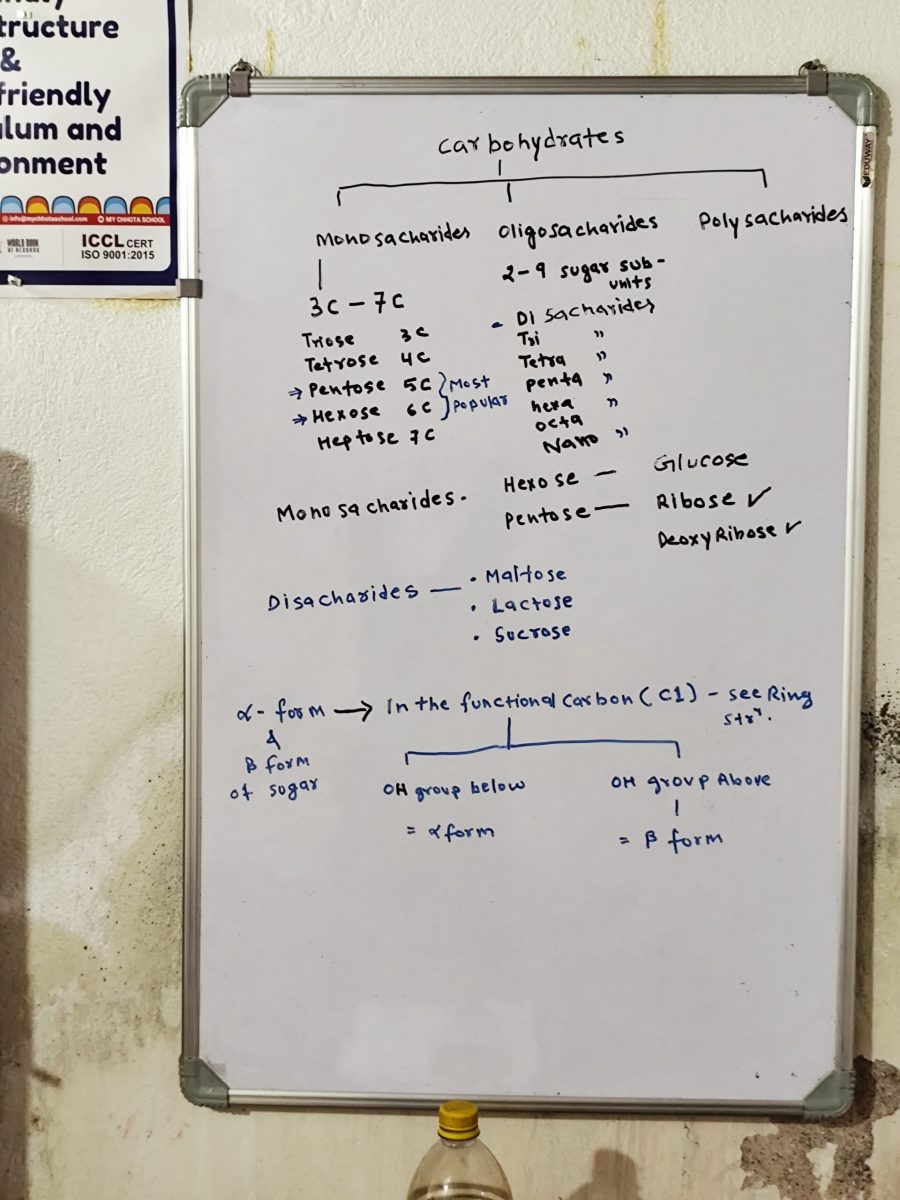
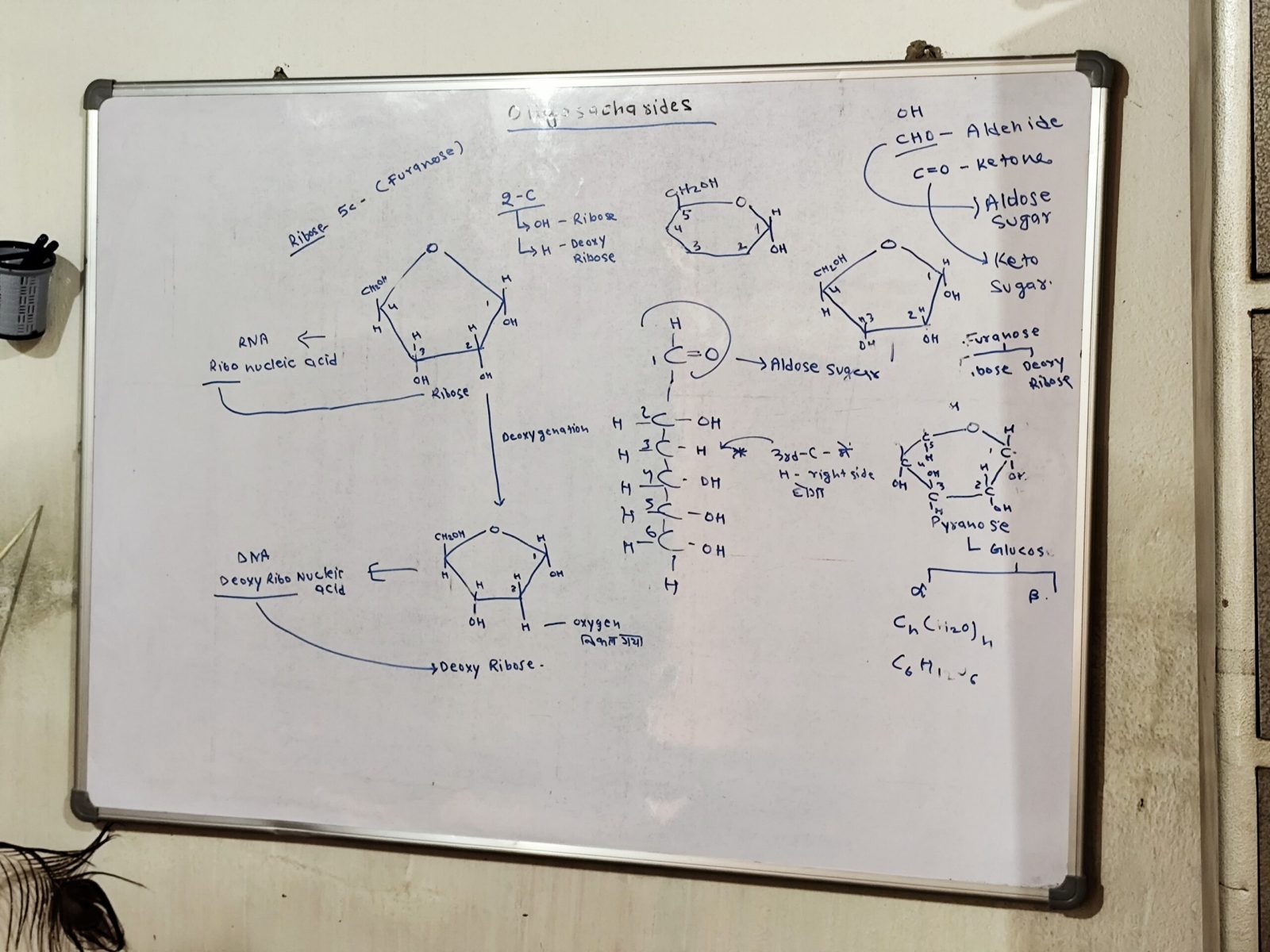
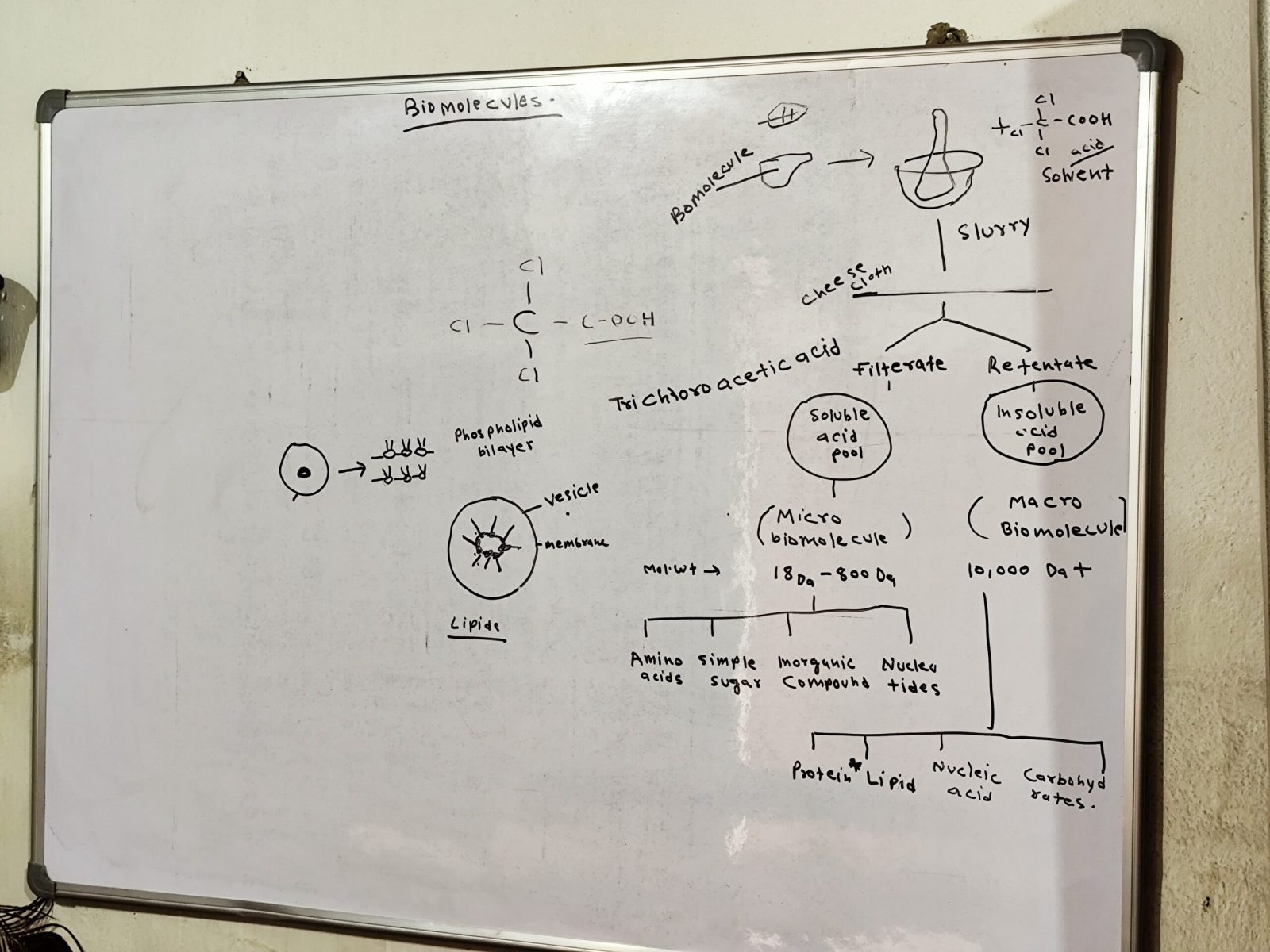
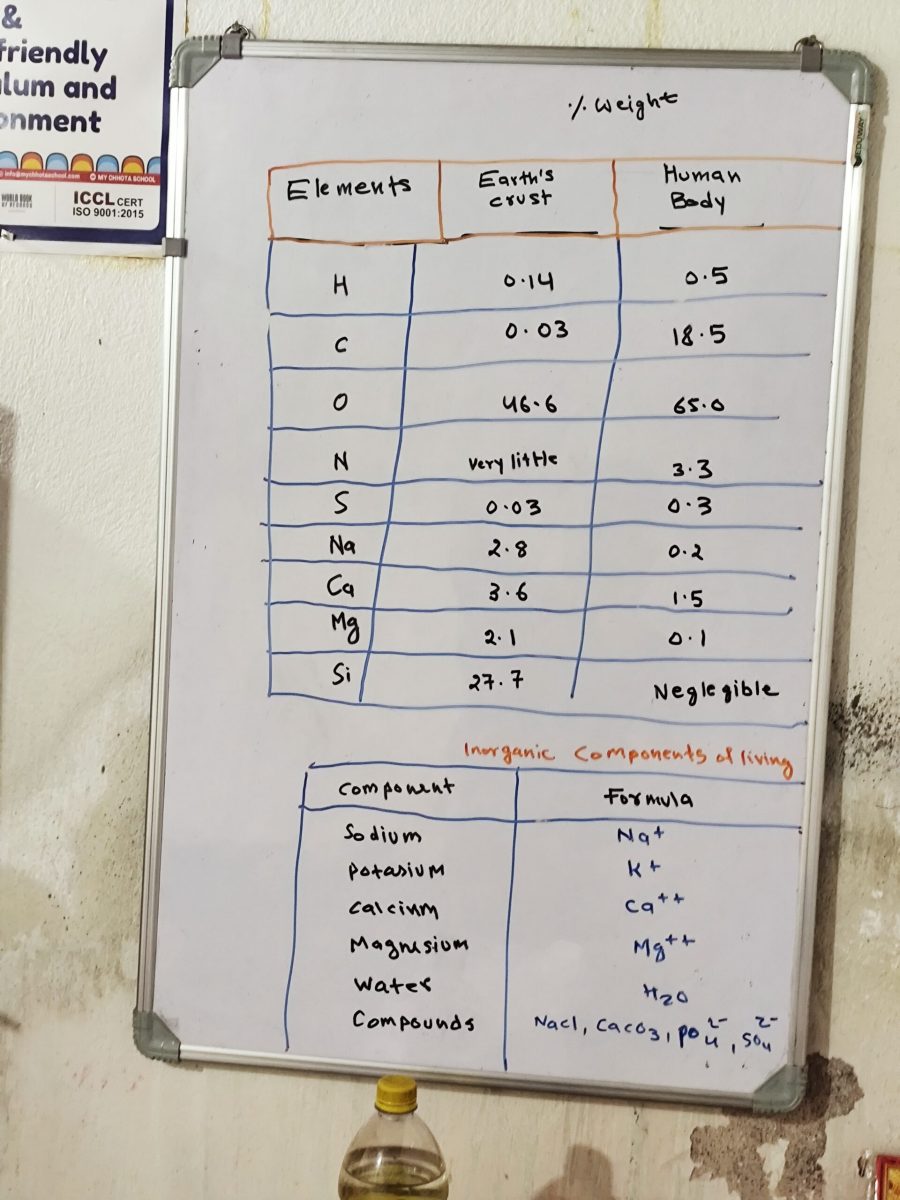
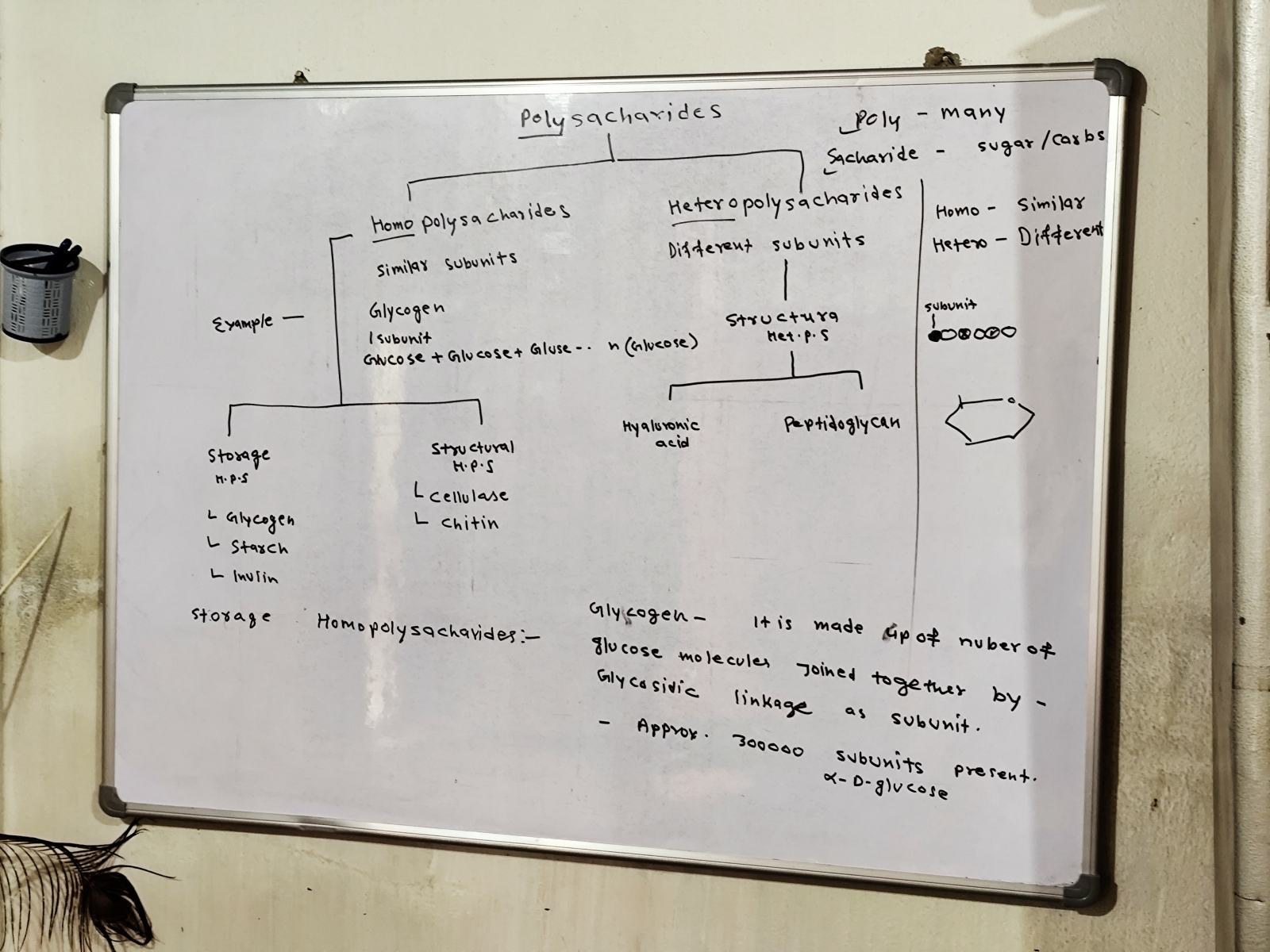
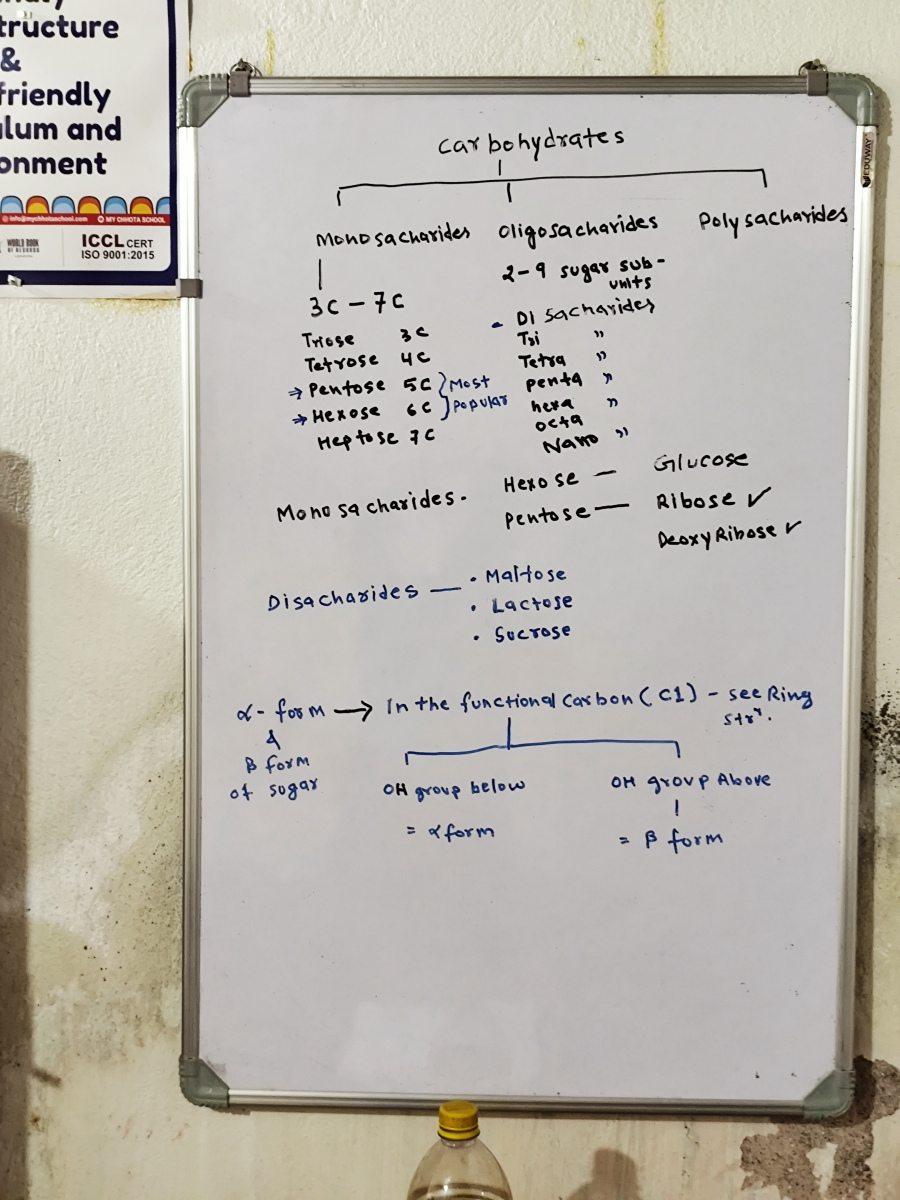
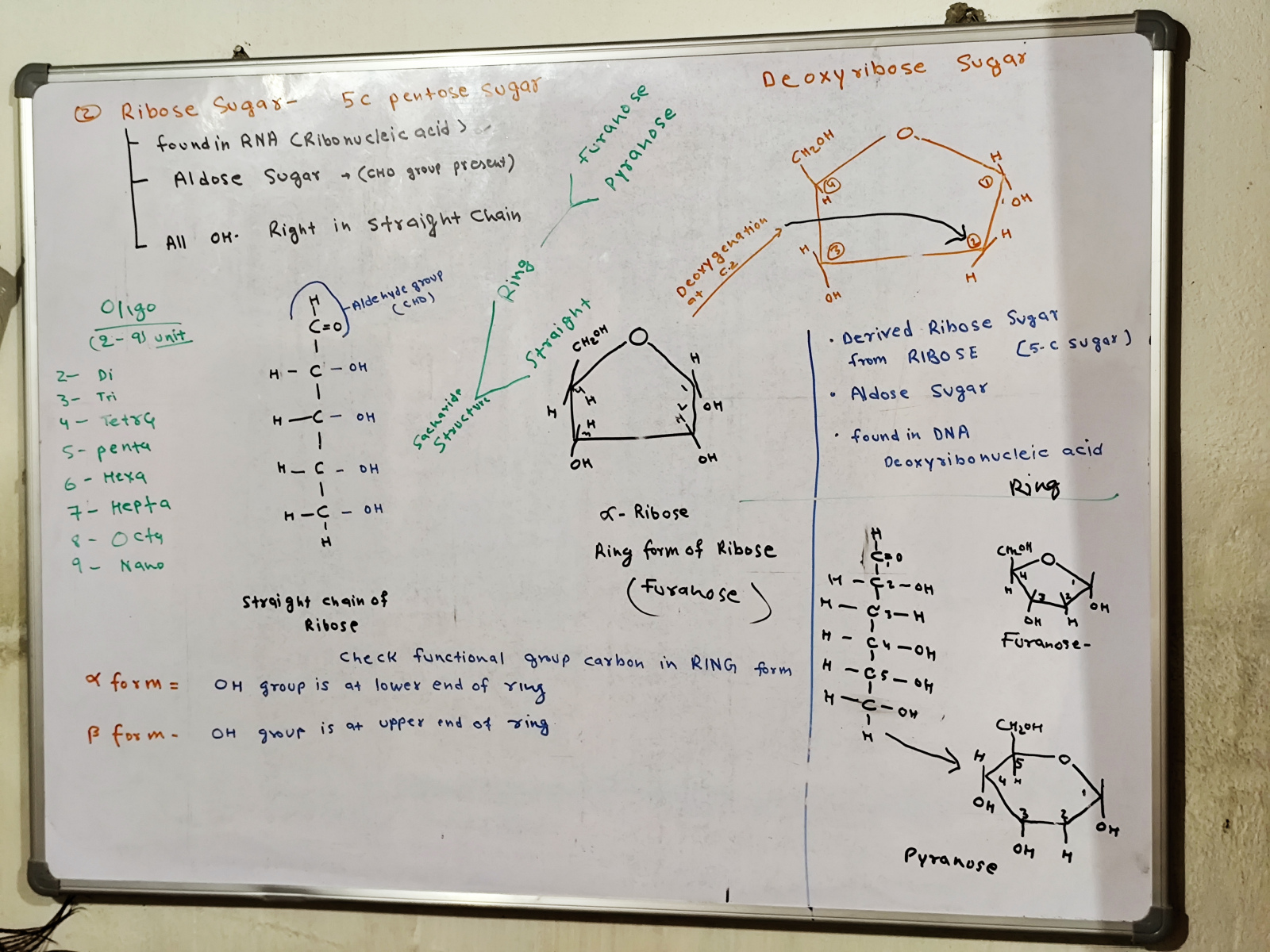
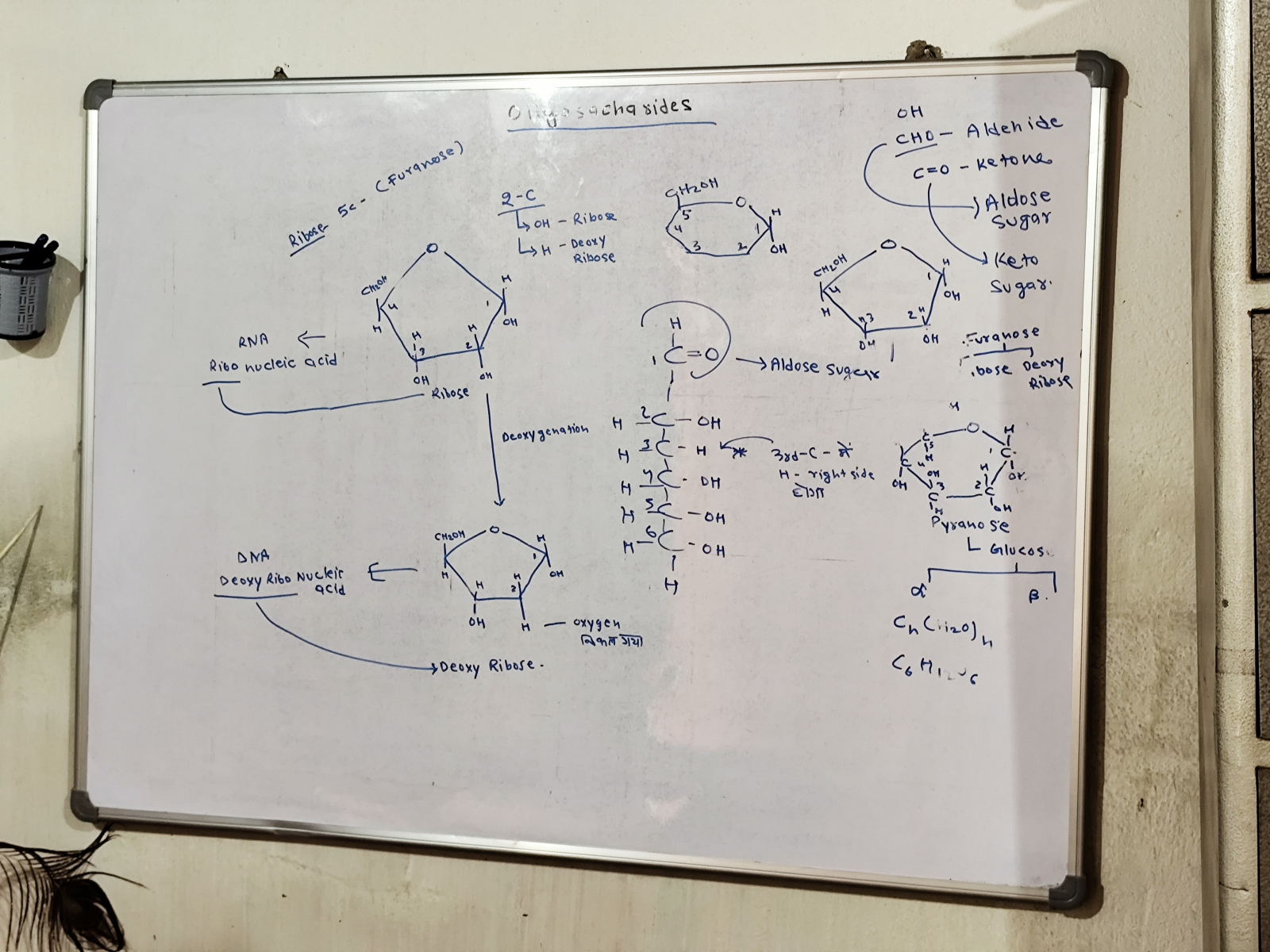
9. Biomolecules: The chemical foundations of life. You will study the structure and importance of carbohydrates, lipids, proteins, nucleic acids, and enzymes.
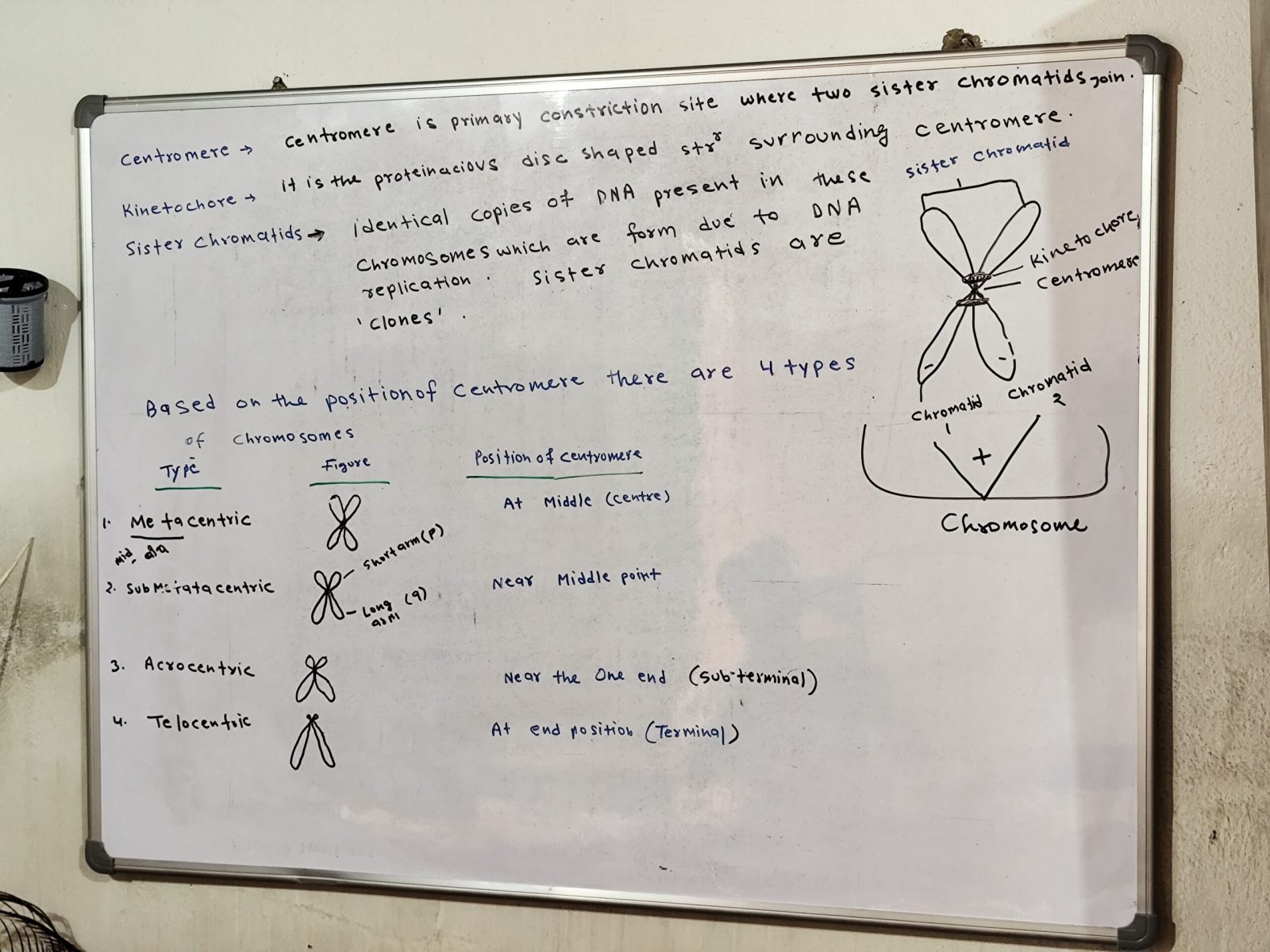
10. Cell Cycle & Cell Division: How do cells replicate? You’ll master the mechanics of Mitosis (growth) and Meiosis (reproduction).
Unit 4: Plant Physiology
“How Plants Function”
Plants don’t just sit there; they are dynamic, solar-powered chemical labs. This unit takes an in-depth look at the internal, microscopic processes that allow plants to manufacture their own food, breathe, and grow.
11. Photosynthesis in Higher Plants: Unraveling how plants capture sunlight to synthesize glucose via light and dark reactions.
12. Respiration in Plants: How plants break down that synthesized food to release usable cellular energy (ATP).
13. Plant Growth & Development: The study of plant hormones (auxins, gibberellins, etc.) and how they control growth, flowering, and responses to the environment.
Unit 5: Human Physiology
“The Mechanics of the Human Body”
Saving the heaviest and most popular unit for last! Human Physiology is the most extensive part of the syllabus. It provides a highly detailed look into the complex, interconnected systems that keep us alive every single second.
14. Breathing & Exchange of Gases: Mechanism of respiration and oxygen-carbon dioxide transport.
15. Body Fluids & Circulation: The mechanics of the heart, blood composition, and the lymphatic system.
16. Excretory Products & Elimination: How the kidneys filter waste and maintain fluid balance.
17. Locomotion & Movement: The study of skeletal muscles, bones, and joints.
18. Neural Control & Coordination: The rapid-fire transmission of signals through the brain, spinal cord, and neurons.
19. Chemical Coordination & Integration: The endocrine system—how hormones regulate everything from metabolism to stress.
Summary Strategy for Success
To truly master Class 11 Biology, avoid the trap of rote memorization. Use this roadmap to build a story:
{Diversity (Who they are)} \rightarrow \text{Structure (How they look)} \rightarrow \text{Cells (What they are made of)} \rightarrow \text{Physiology (How they work)}
Stick to your NCERT textbook, practice labeling diagrams regularly, and bridge the concepts together. Happy studying!