Classification of Algae: A Complete Guide to Types, Characteristics & Examples (NCERT Biology)

 Why Classifying Algae Matters?

Algae are simple, chlorophyll-bearing, thalloid organisms found predominantly in aquatic habitats. With thousands of species ranging from microscopic single cells to giant marine kelp, understanding the classification of algae is essential — both for students preparing for board and competitive biology exams, and for anyone curious about the organisms responsible for nearly half of the world’s oxygen production.

Classification of Algae

Algae are classified into three major classes based on three key criteria:
The type of pigments present
The chemical nature of stored food
The composition of the cell wall
This guide breaks down each class in detail, along with their identifying features and common examples.
The Basis of Algal Classification
Before diving into the classes, it helps to understand the classification criteria used by botanists:
Criterion
What It Determines
Pigmentation
Gives algae their characteristic color (green, brown, red)
Stored food
Type of carbohydrate reserve (starch, laminarin, floridean starch)
Cell wall composition
Structural material (cellulose, algin, cellulose + pectin)
Flagellar number & position
Important for motility and identification in reproductive cells
1. Chlorophyceae (Green Algae)
Key Characteristics
Color: Grass-green, due to dominance of chlorophyll a and b over other pigments
Stored food: Starch
Cell wall: Cellulose
Habitat: Found in freshwater (still and running water), moist stones, wood, and soil; some are marine
Common Examples
Chlamydomonas, Volvox, Ulothrix, Spirogyra, Chara
Why It’s Important
Chlorophyceae is the largest and most diverse class of algae and is considered evolutionarily linked to land plants due to its similar pigment composition and cellulose cell walls.
2. Phaeophyceae (Brown Algae)
Key Characteristics
Color: Brown to olive-green, due to the pigment fucoxanthin
Stored food: Complex carbohydrates like laminarin and mannitol
Cell wall: Cellulose combined with algin
Habitat: Almost exclusively marine
Common Examples
Ectocarpus, Dictyota, Laminaria, Sargassum, Fucus
Why It’s Important
Phaeophyceae includes the largest and most structurally advanced algae, such as giant kelp, which can develop stem-like (stipe) and leaf-like (lamina) structures — a rare example of complexity in the algal world.
3. Rhodophyceae (Red Algae)
Key Characteristics
Color: Red, due to the dominant pigment r-phycoerythrin
Stored food: Floridean starch
Cell wall: Cellulose, often with a coating of calcium carbonate in some species
Habitat: Mostly marine, often found at greater depths than other algae, since their pigments absorb the low-intensity blue light that penetrates deeper waters
Common Examples
Polysiphonia, Porphyra, Gracilaria
Why It’s Important
Rhodophyceae species are economically significant — many are the source of agar, a substance widely used in microbiology labs and the food industry.
Quick Comparison Table: Classes of Algae
Feature
Chlorophyceae
Phaeophyceae
Rhodophyceae
Common name
Green algae
Brown algae
Red algae
Dominant pigment
Chlorophyll a & b
Fucoxanthin
r-Phycoerythrin
Stored food
Starch
Laminarin, mannitol
Floridean starch
Cell wall
Cellulose
Cellulose + Algin
Cellulose
Habitat
Mostly freshwater
Mostly marine
Mostly marine
Examples
Chlamydomonas, Spirogyra
Sargassum, Laminaria
Porphyra, Gracilaria
Reproduction Across All Classes of Algae
Regardless of class, algae reproduce through three broad mechanisms:
Vegetative reproduction — by fragmentation of the thallus
Asexual reproduction — through spores (commonly zoospores)
Sexual reproduction — through fusion of gametes, which can be:
Isogamous (similar-sized motile gametes)
Anisogamous (dissimilar-sized motile gametes)
Oogamous (large non-motile female gamete + small motile male gamete)
Conclusion
The classification of algae into Chlorophyceae, Phaeophyceae, and Rhodophyceae is based on pigmentation, stored food, and cell wall composition — a system that reflects both their evolutionary diversity and ecological adaptability. From freshwater ponds to deep ocean floors, each class of algae has carved out a unique niche, making algae one of the most versatile and ecologically vital groups of organisms on Earth.
Related Topics: Plant Kingdom Classification | Bryophytes | Pteridophytes | Kingdom Plantae NCERT Notes

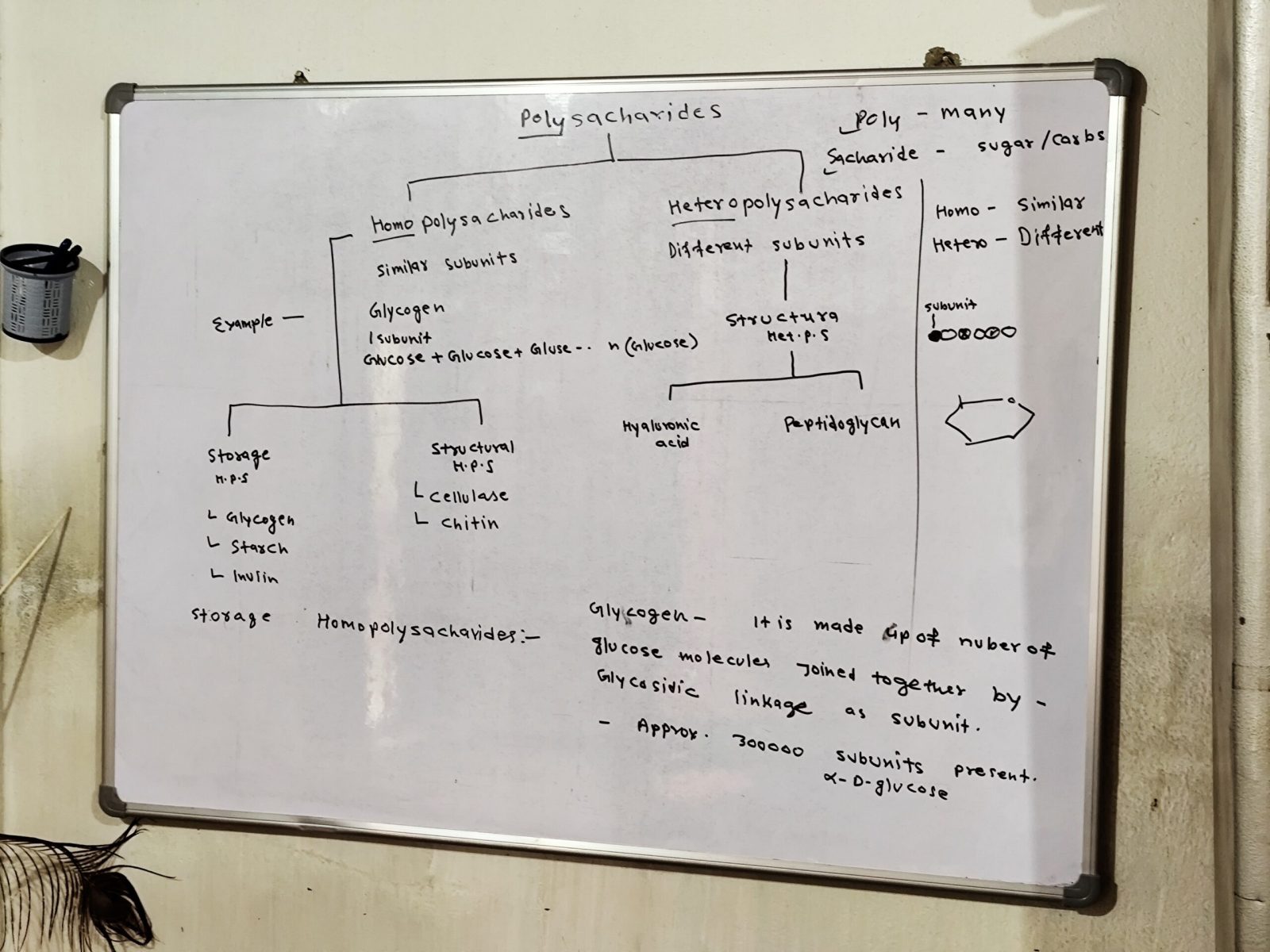
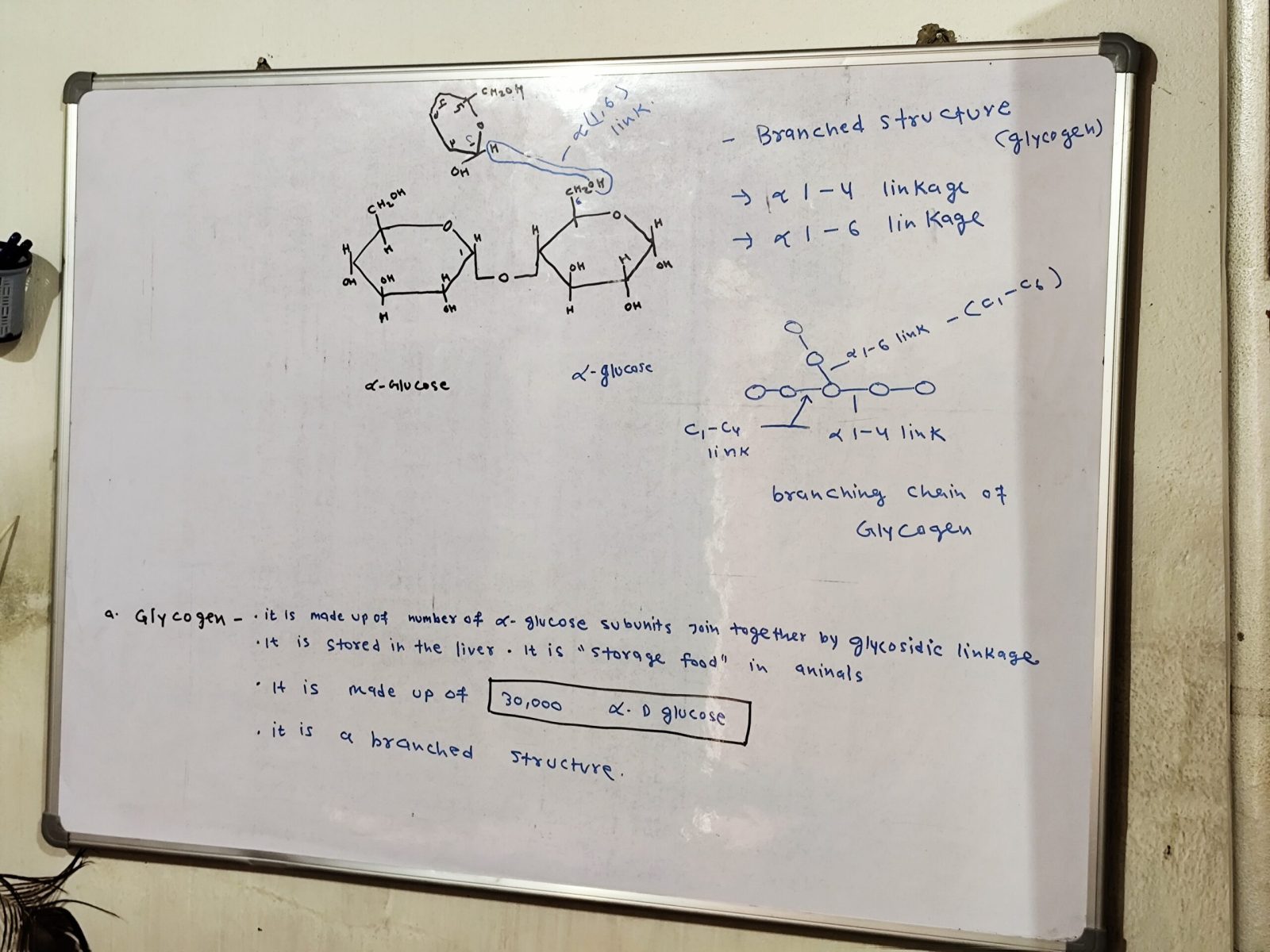
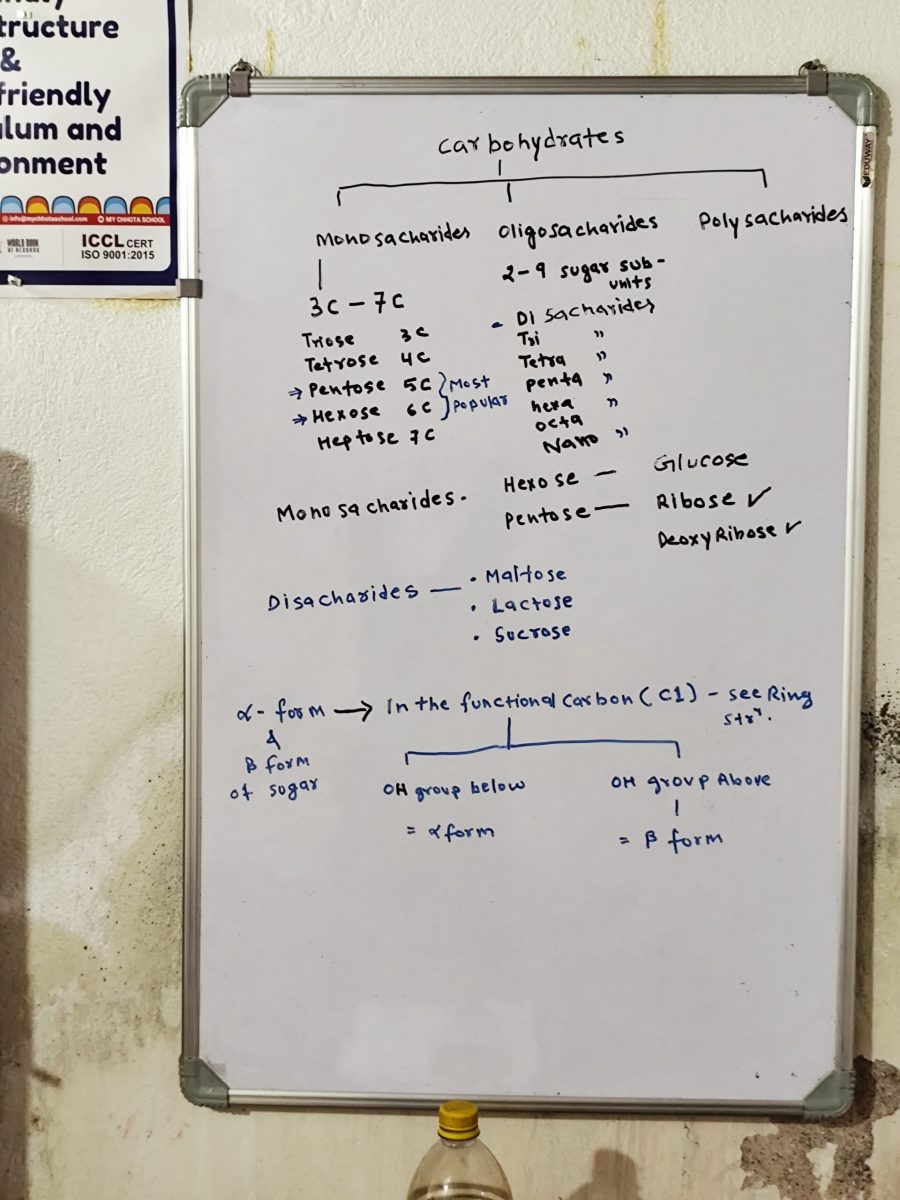
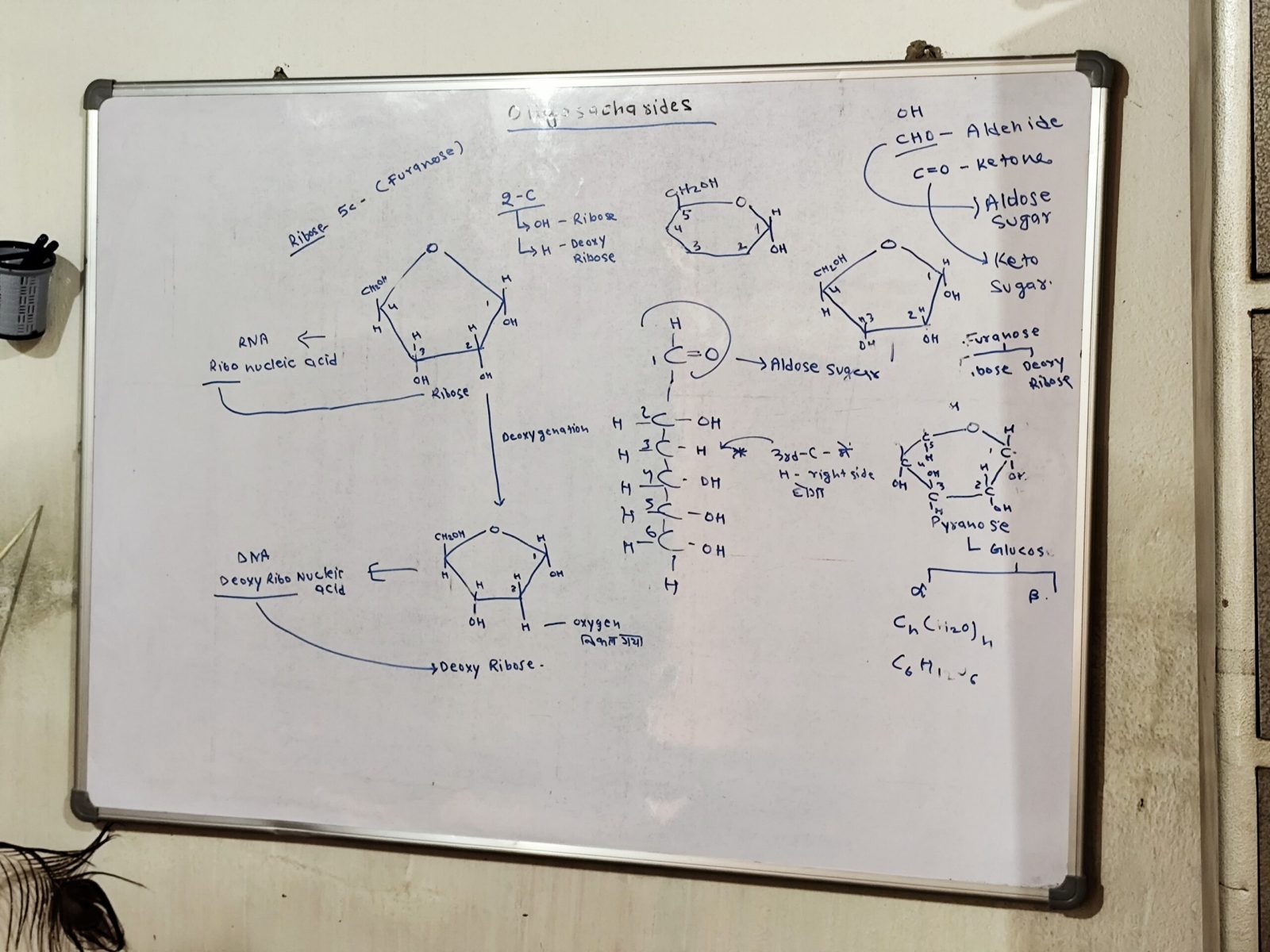
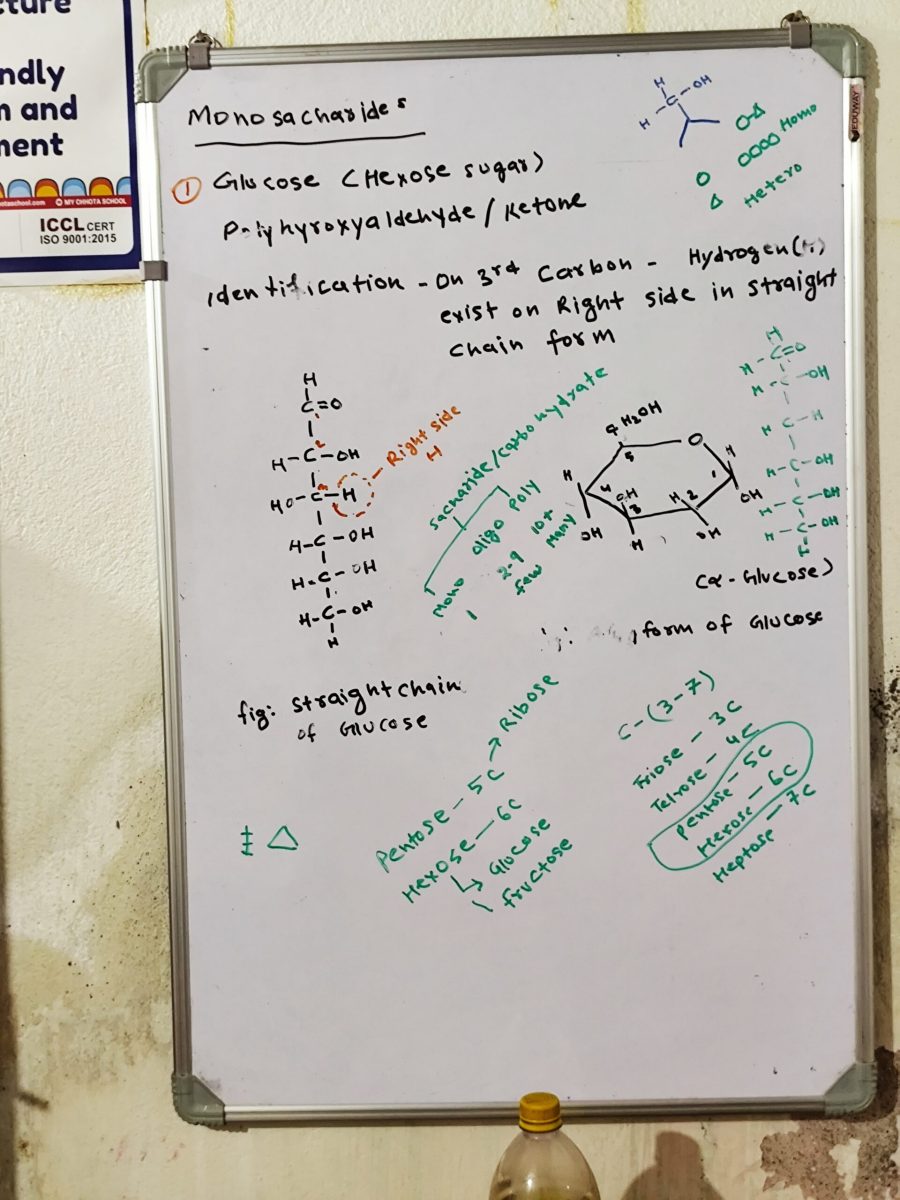
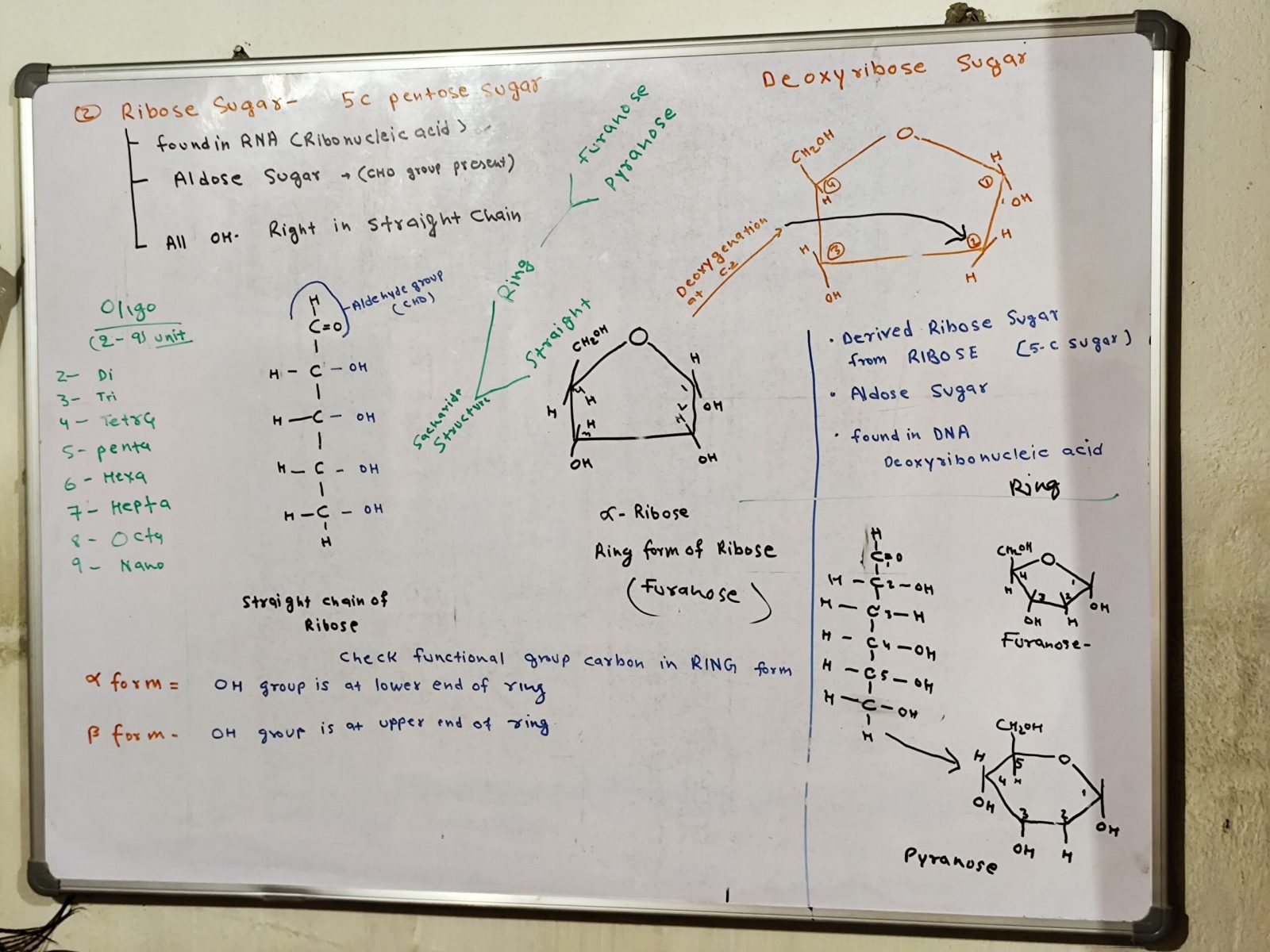
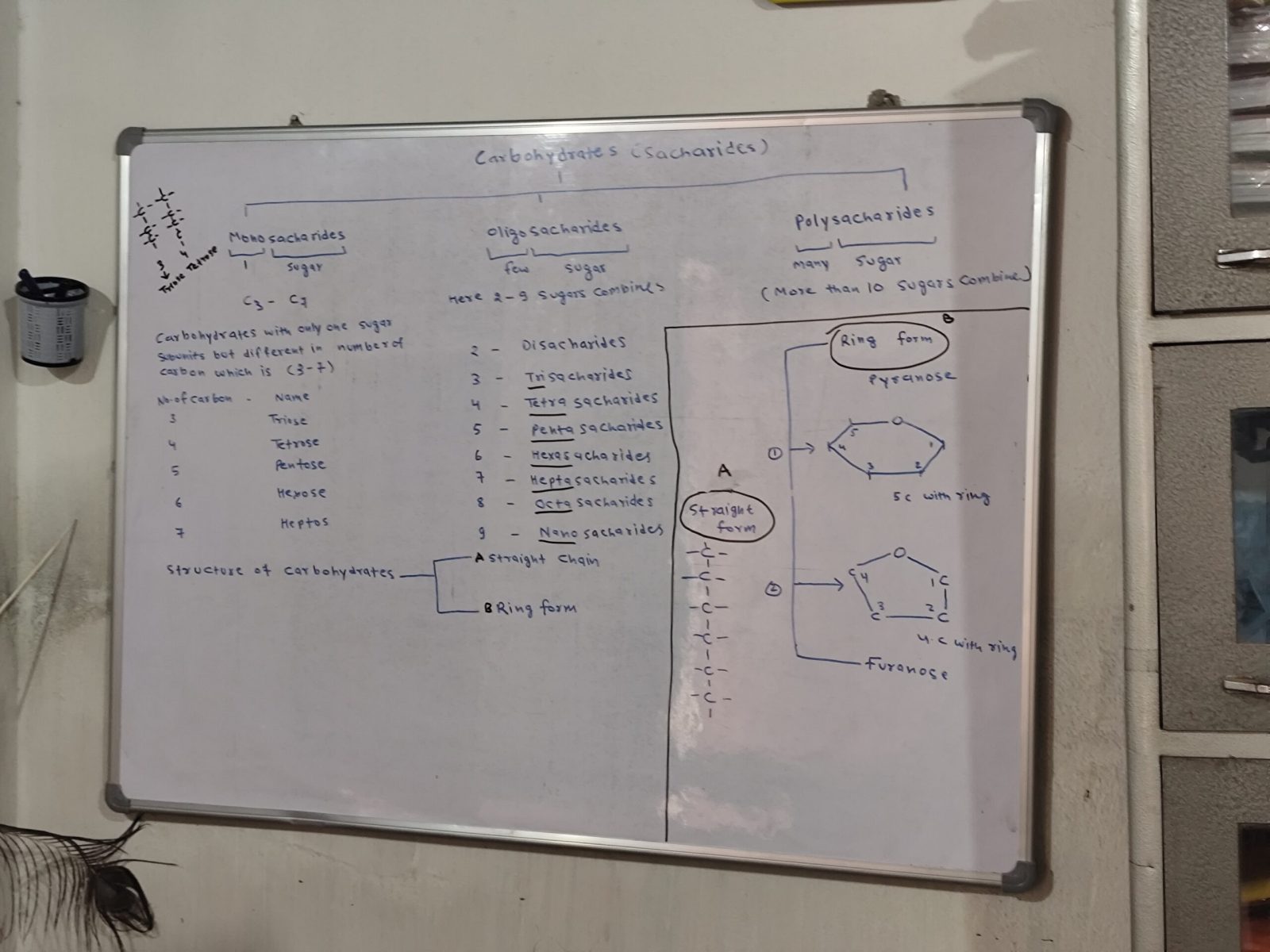
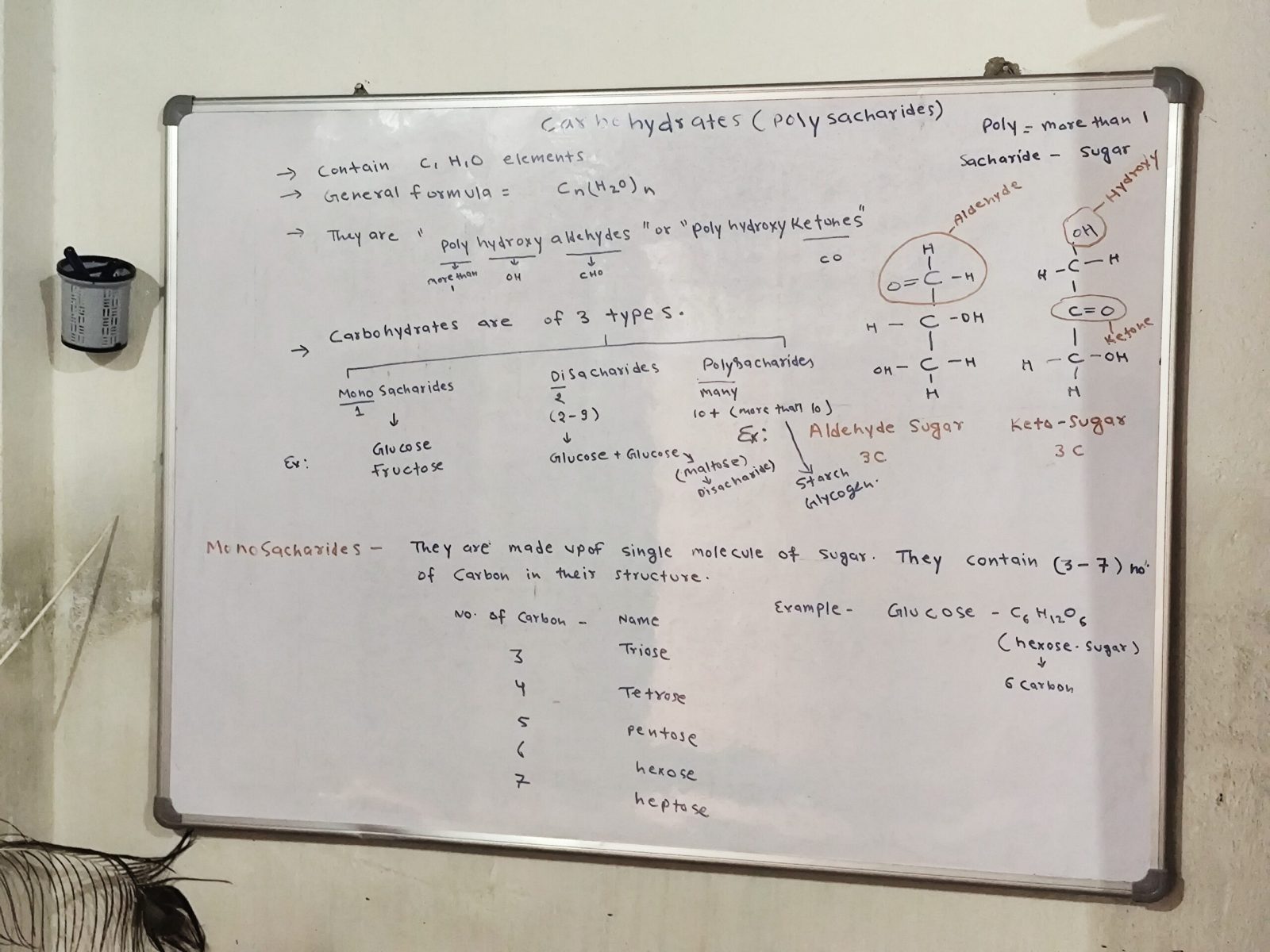
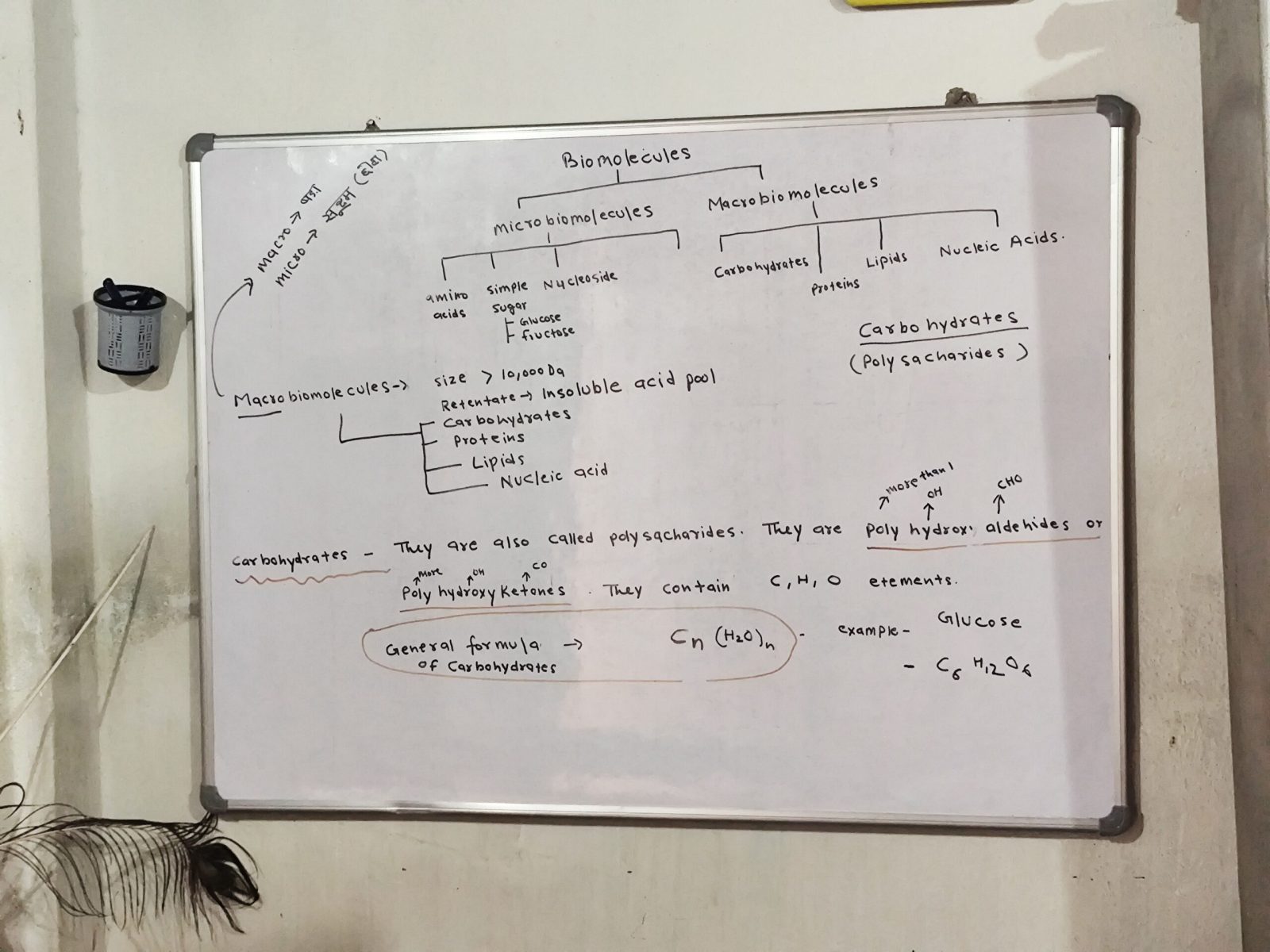
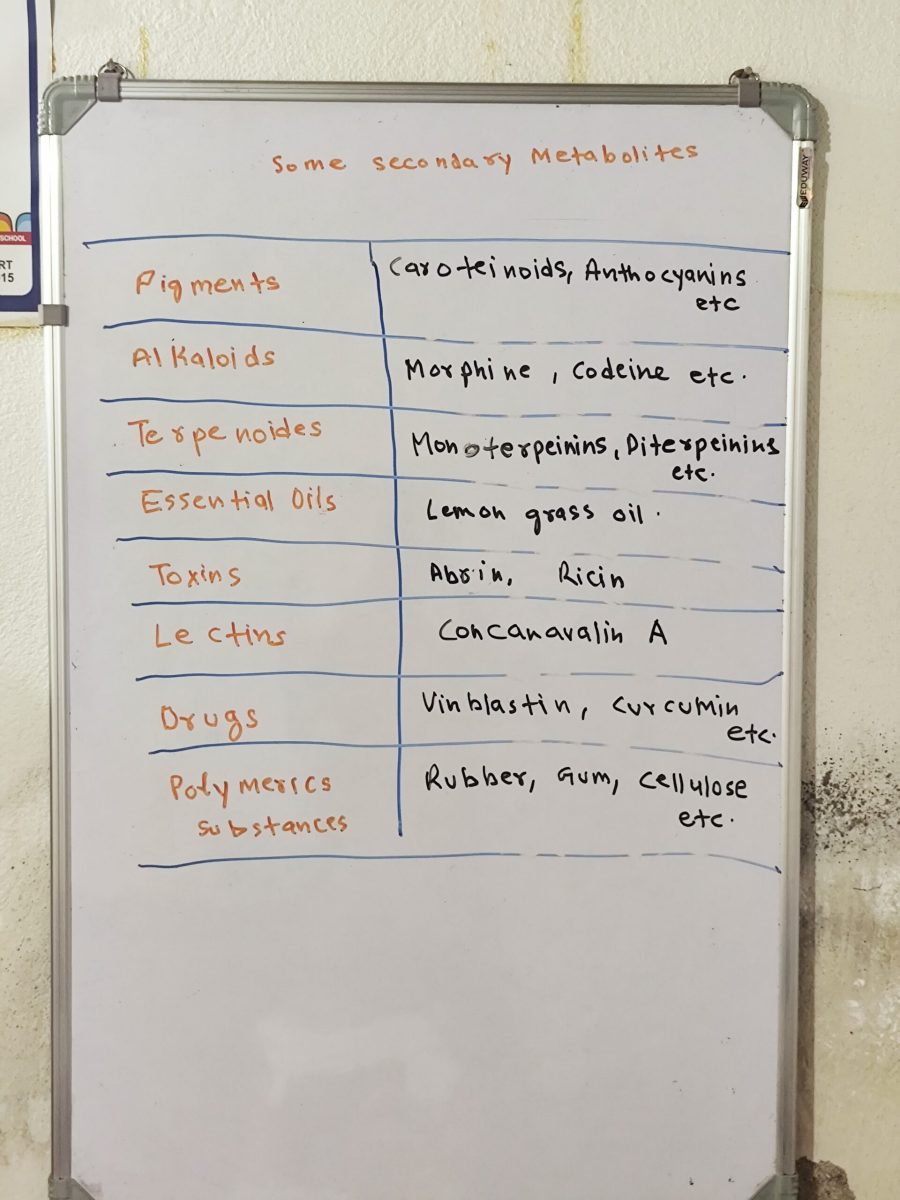
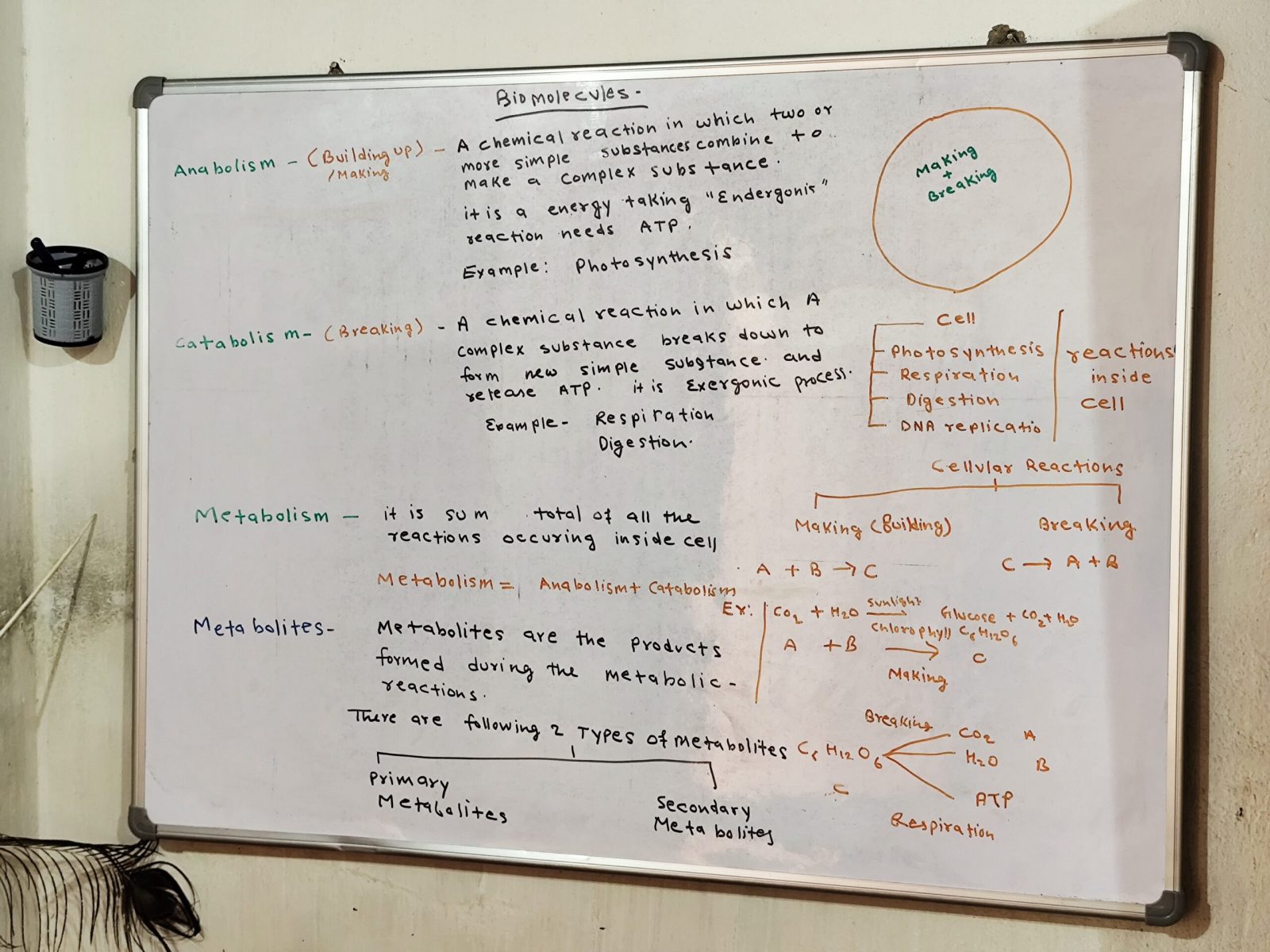
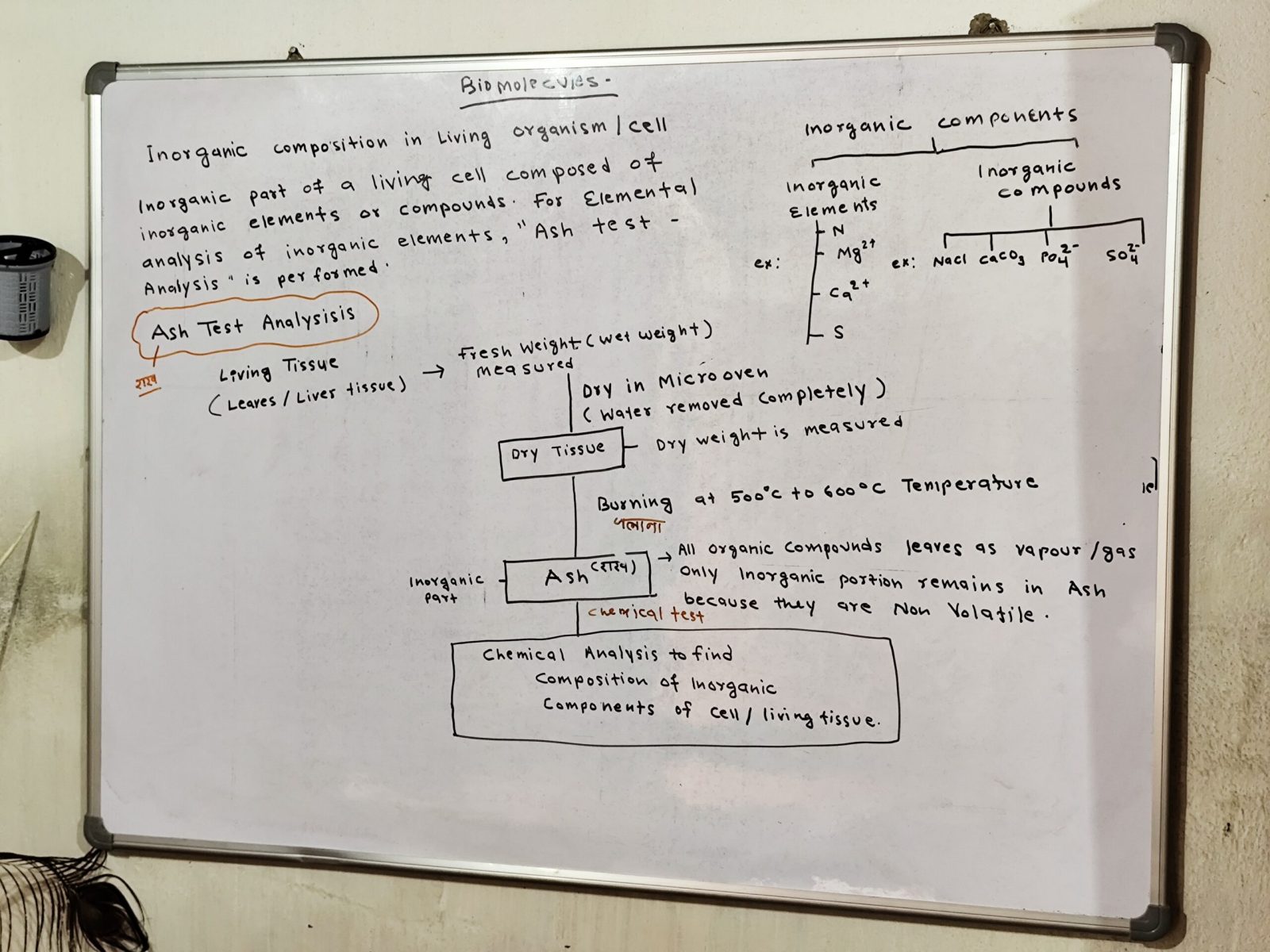
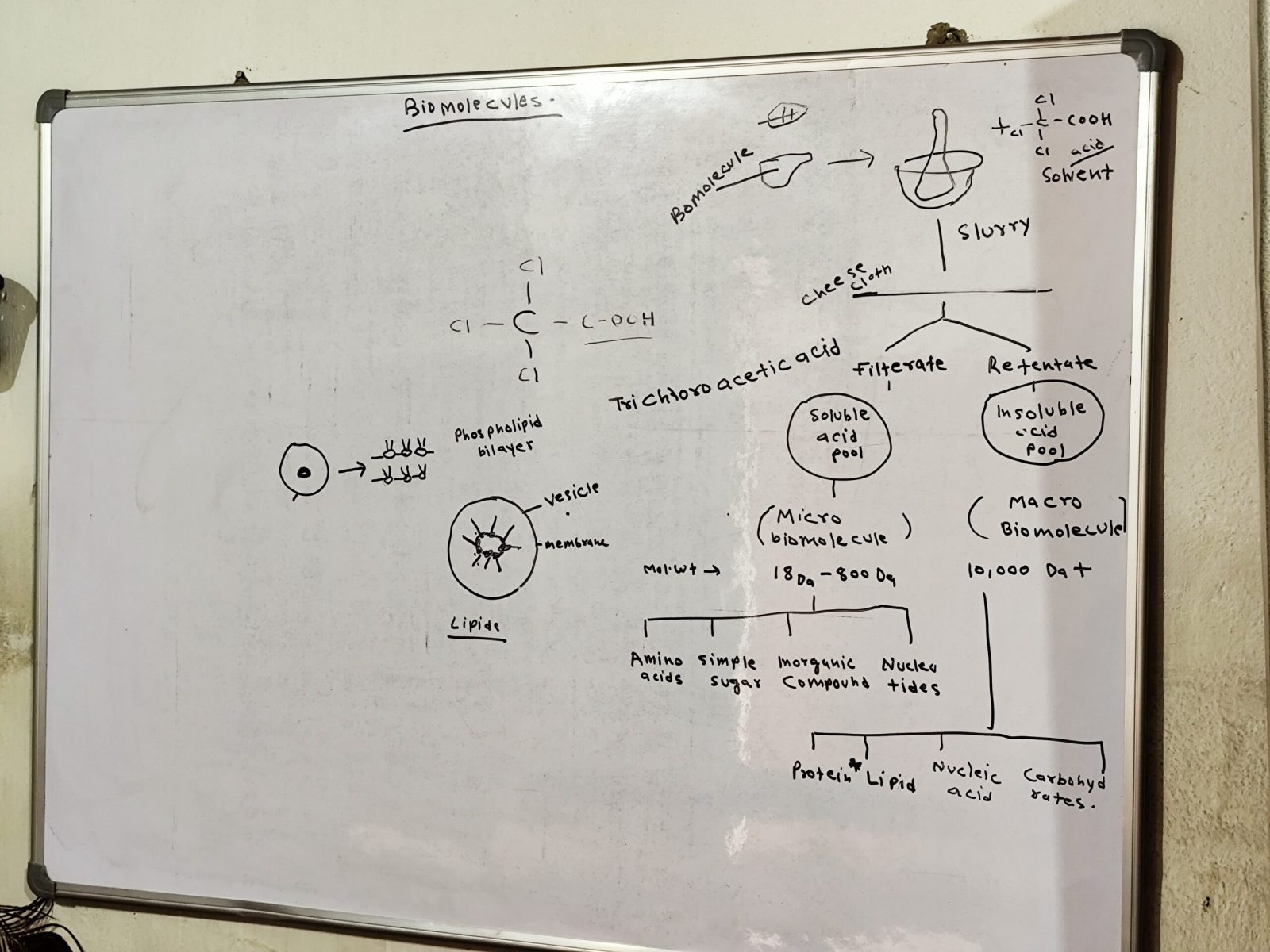
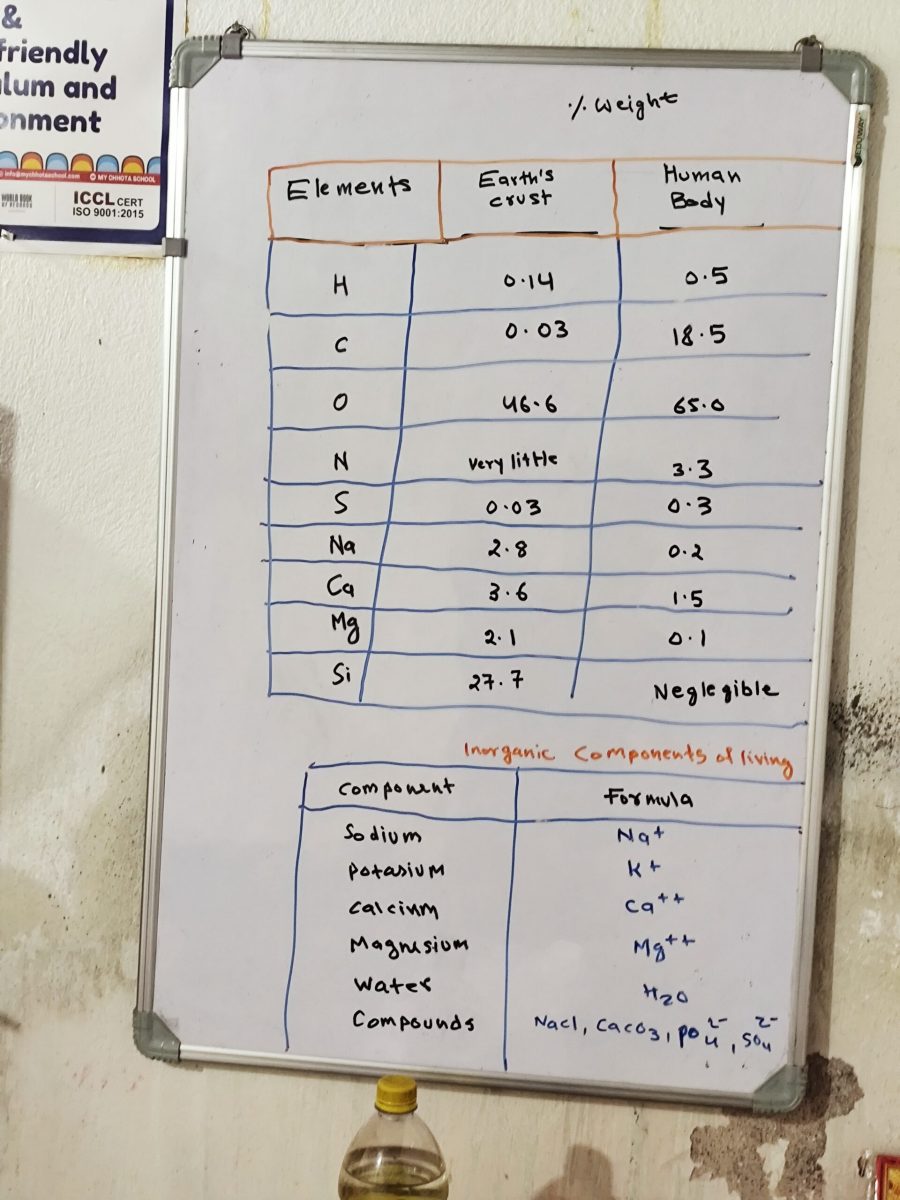
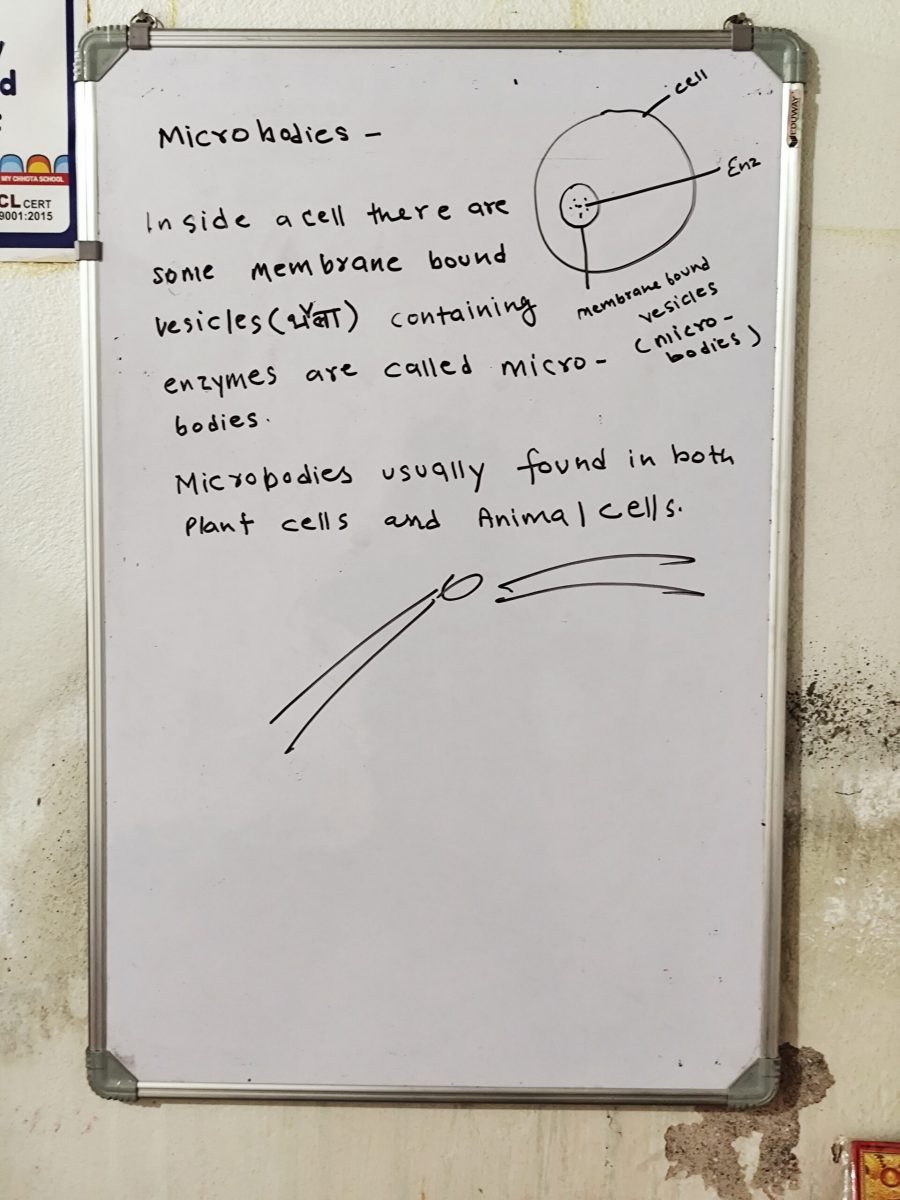
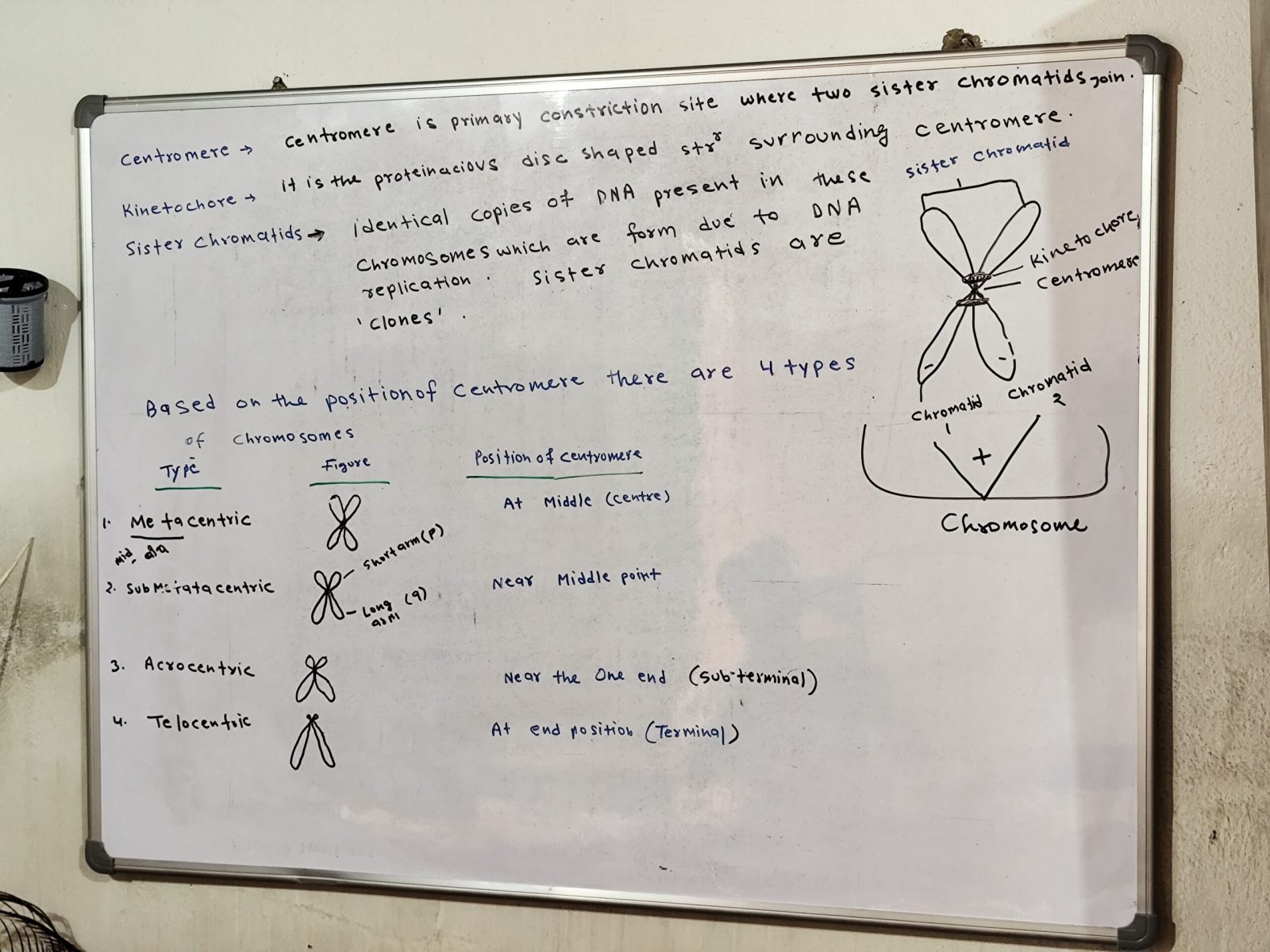
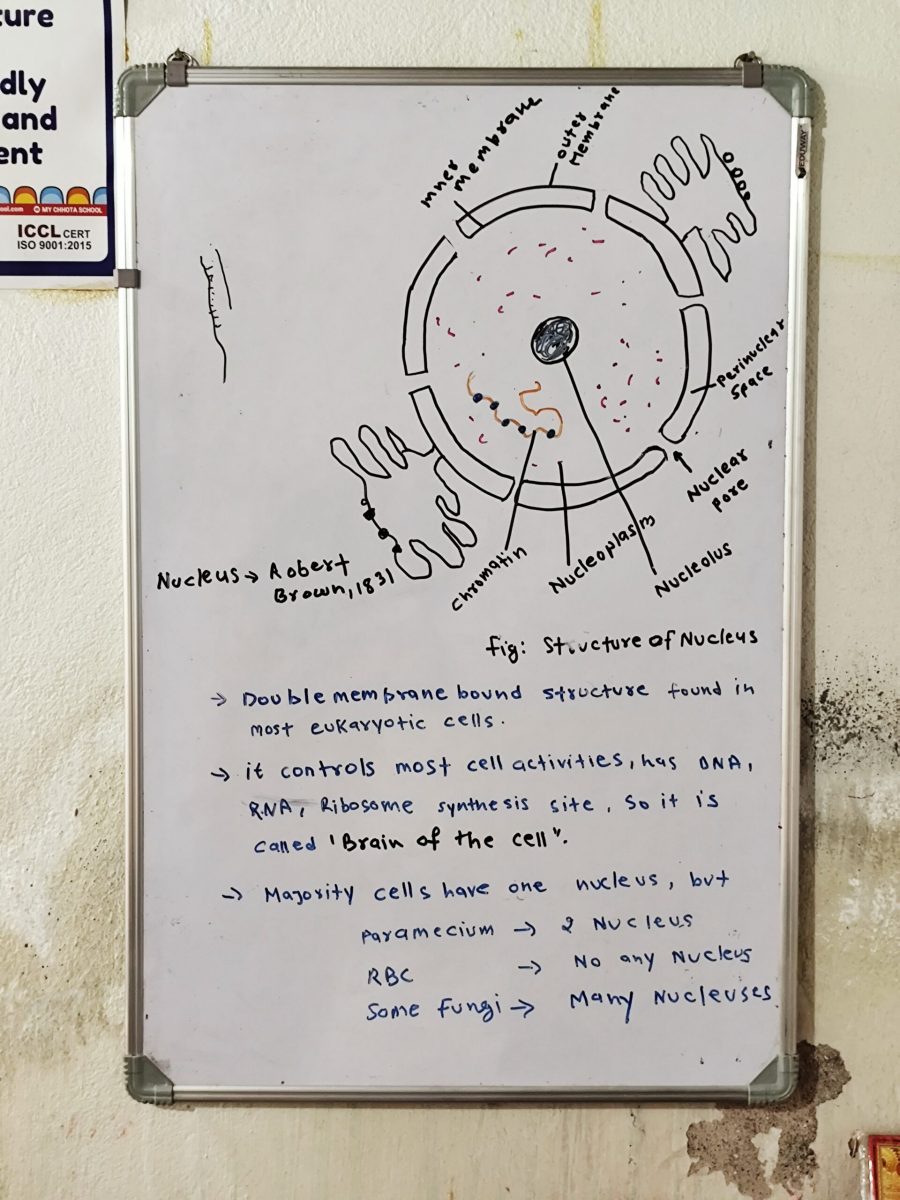
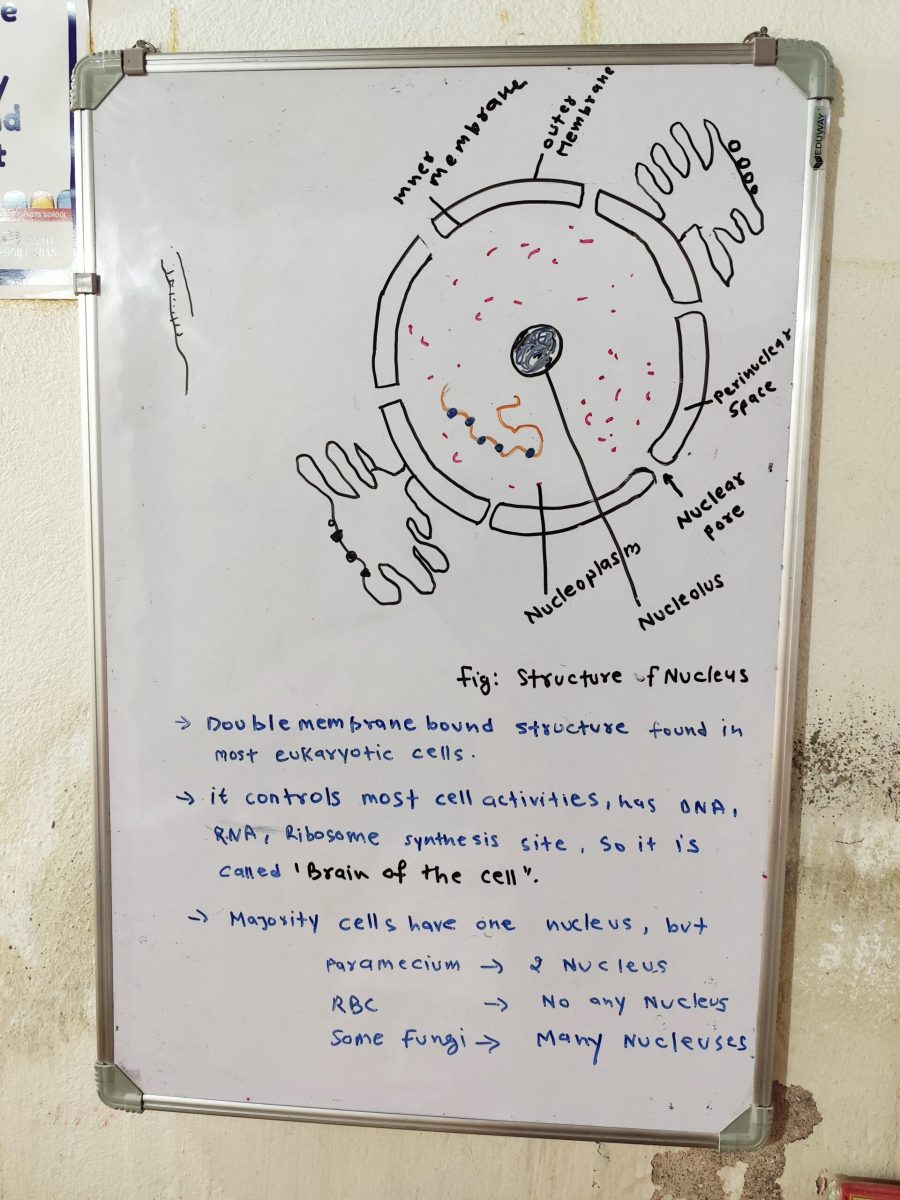
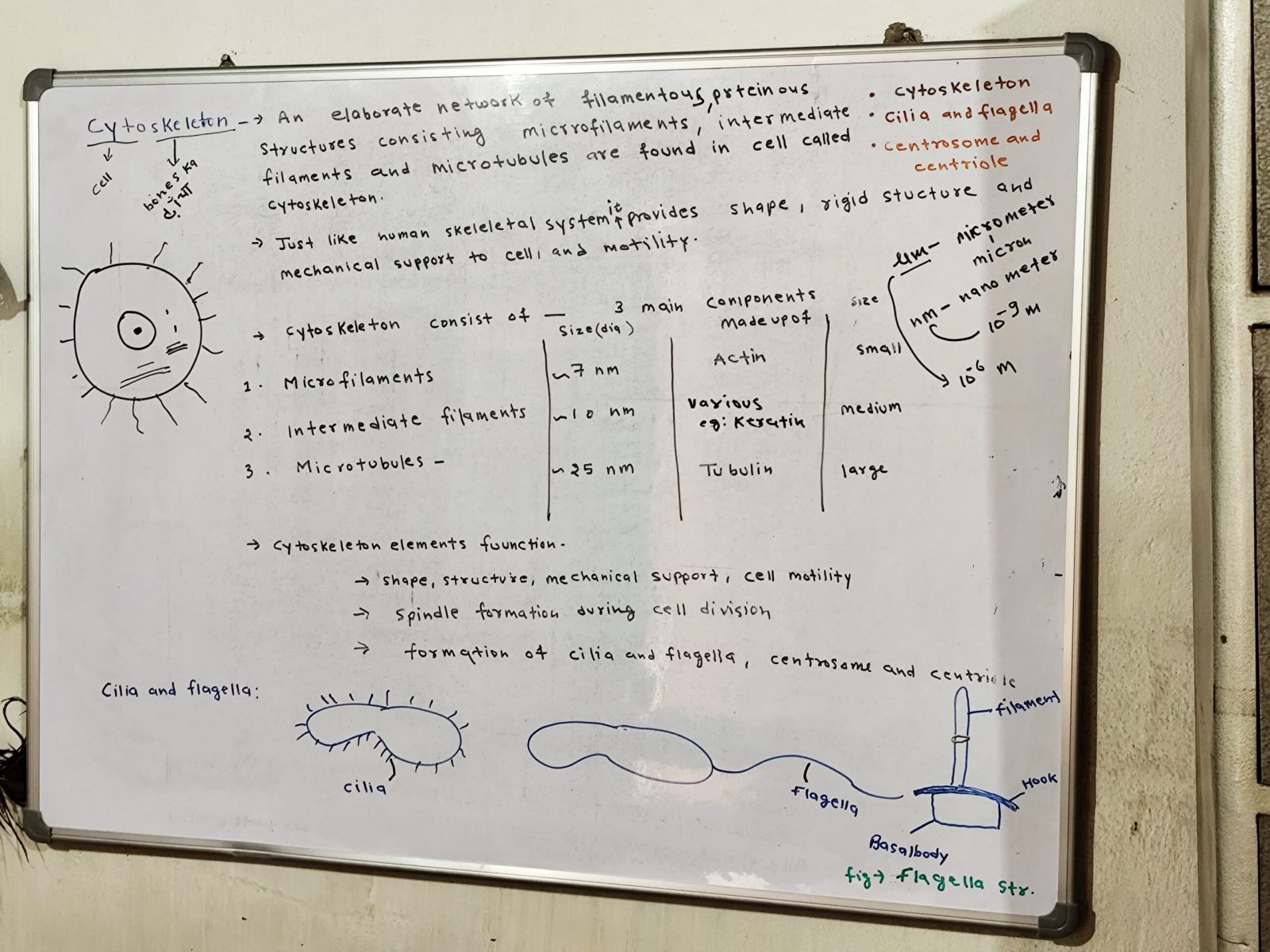
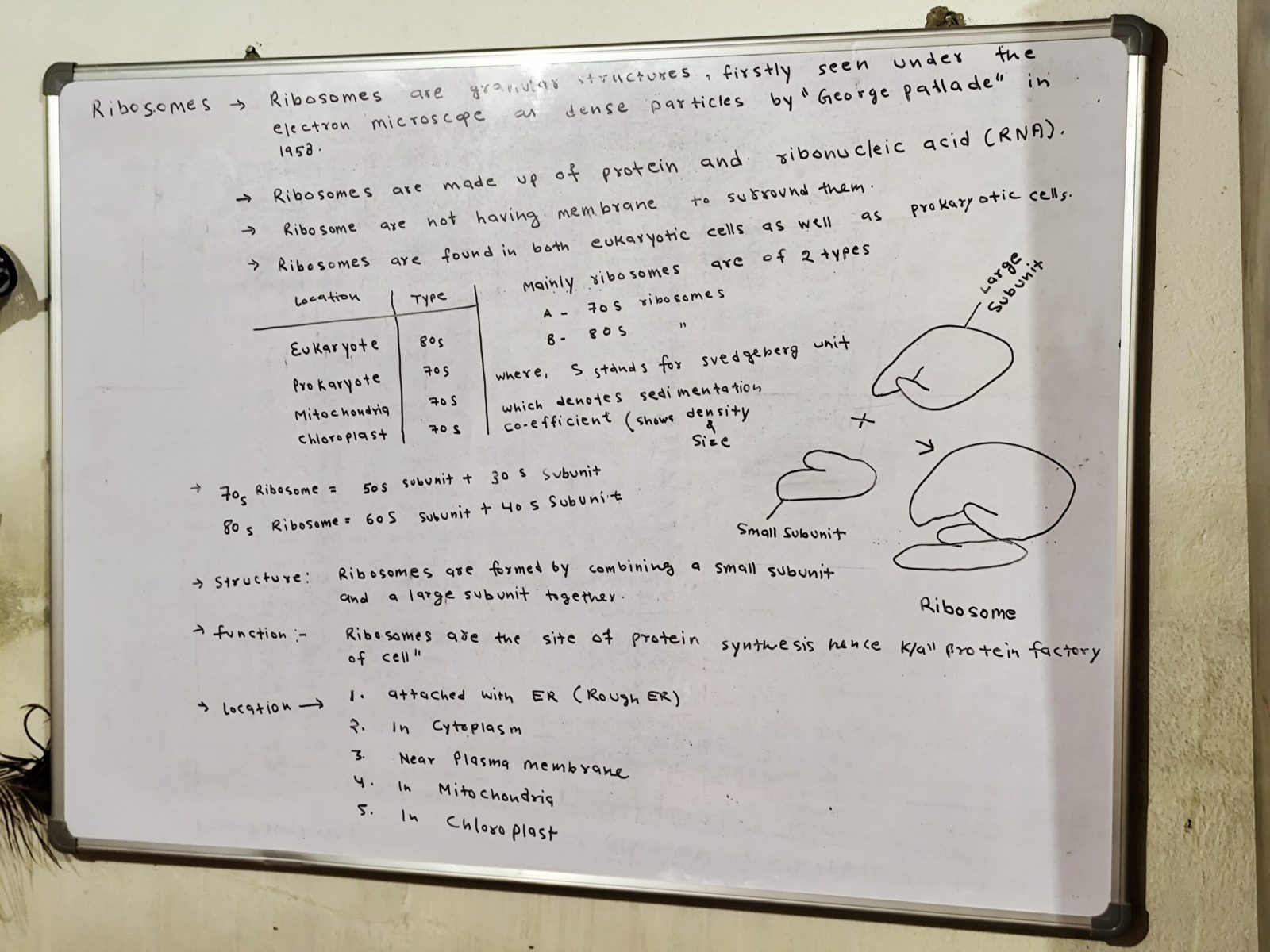
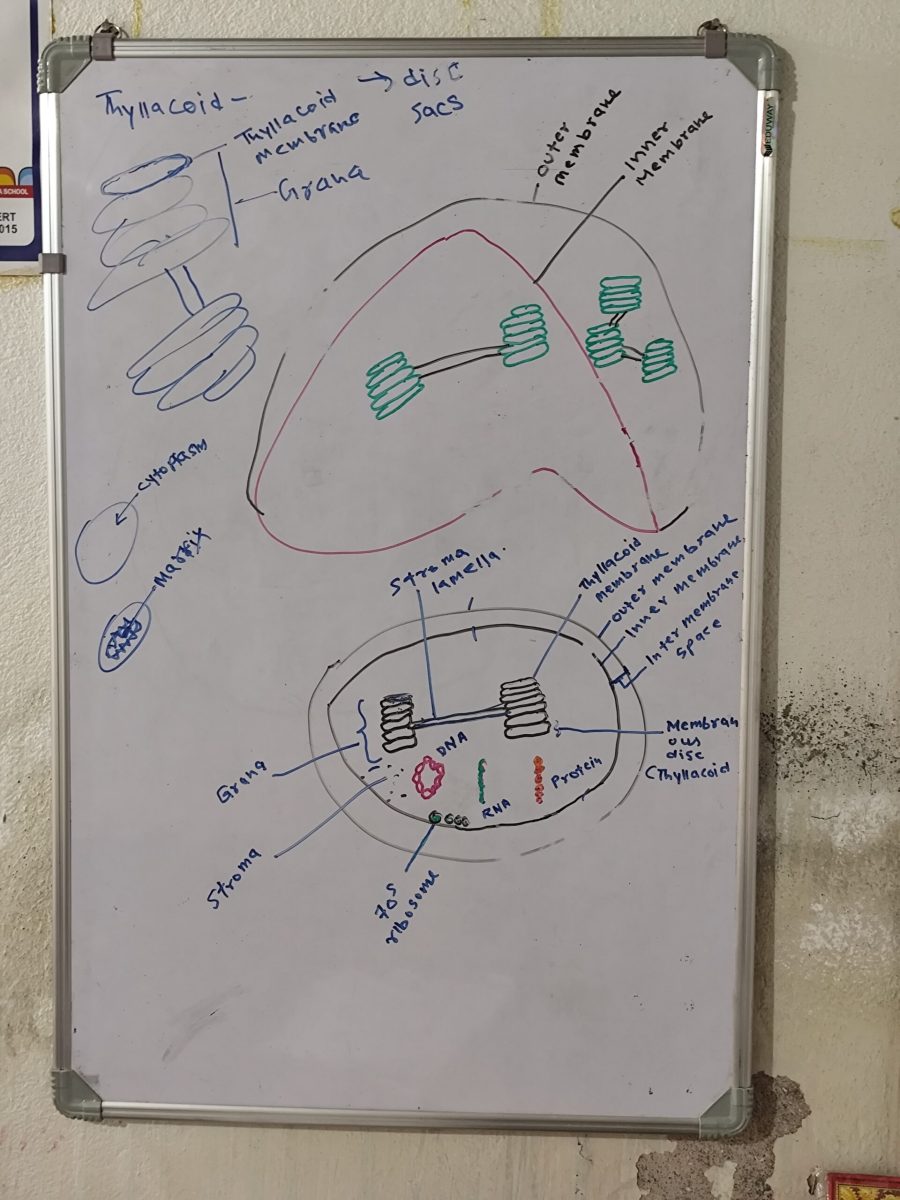
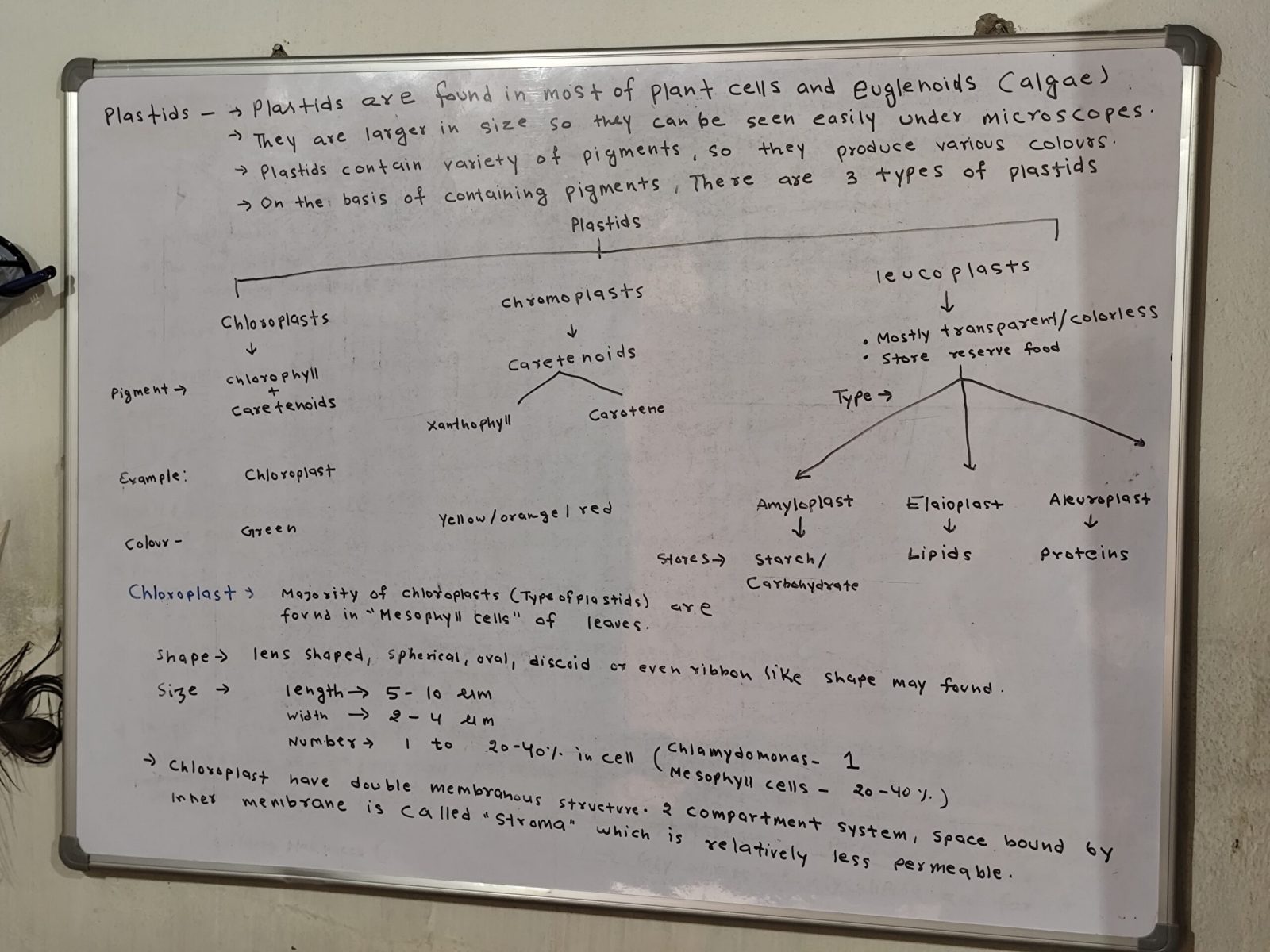
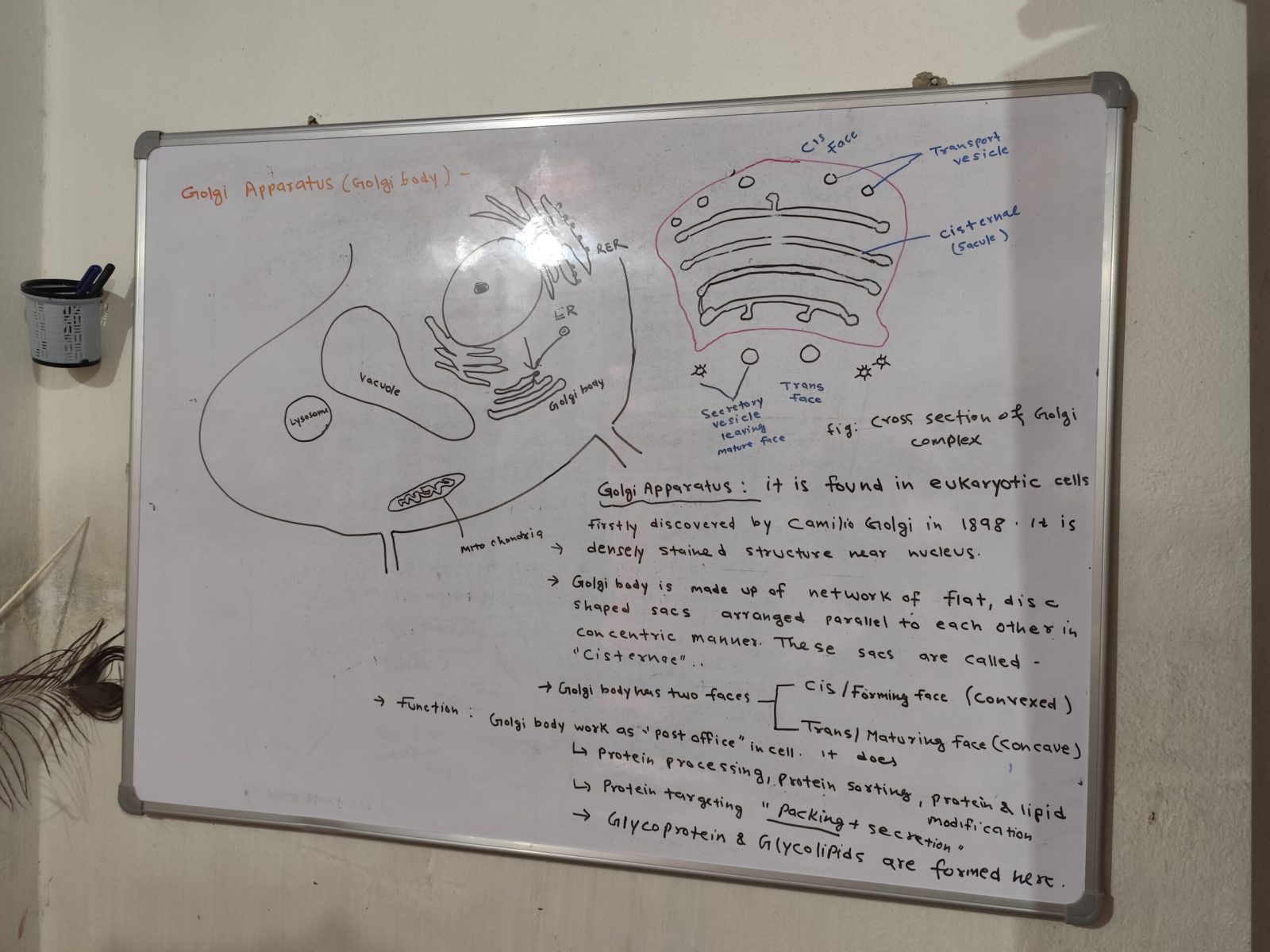
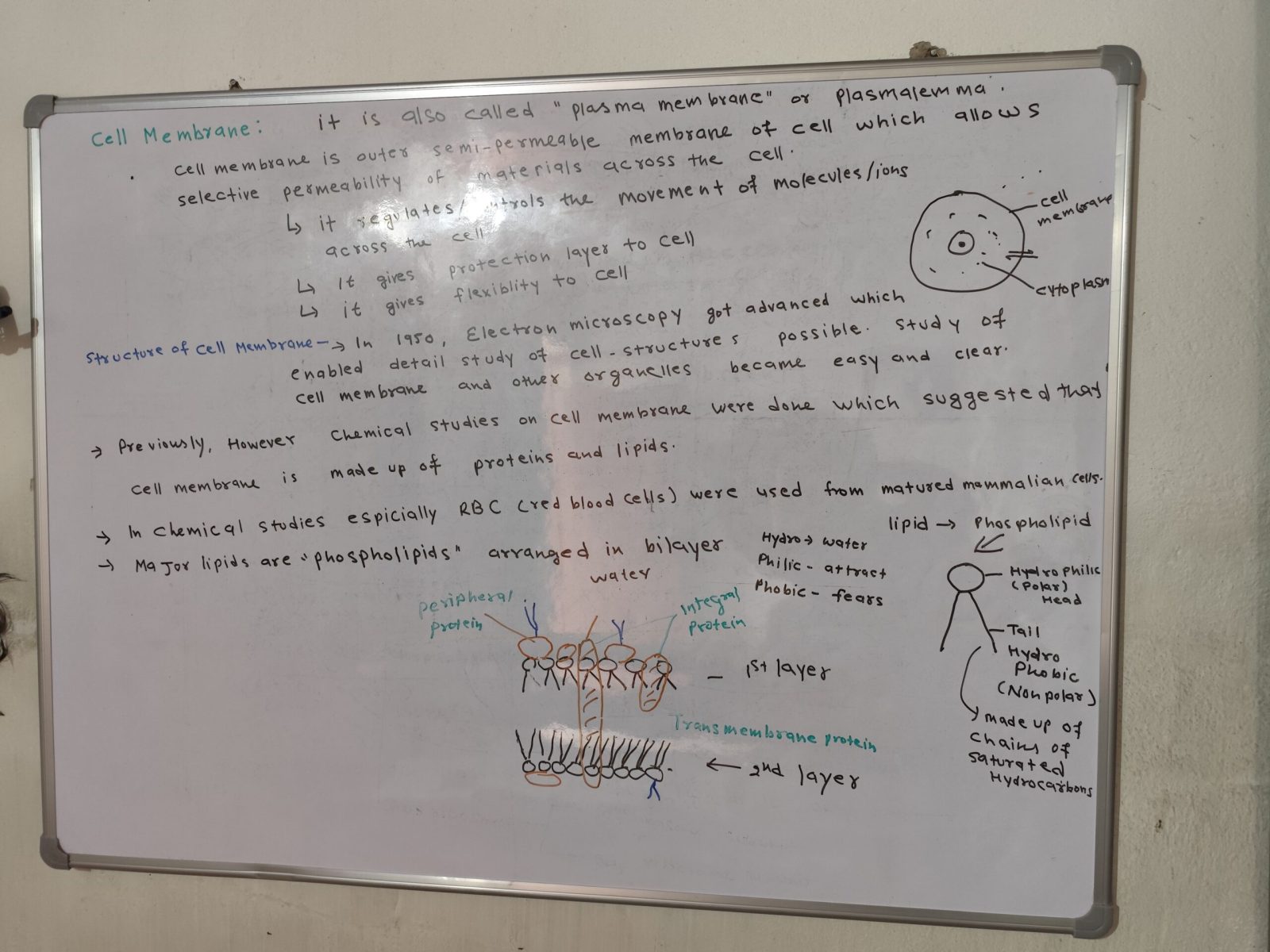
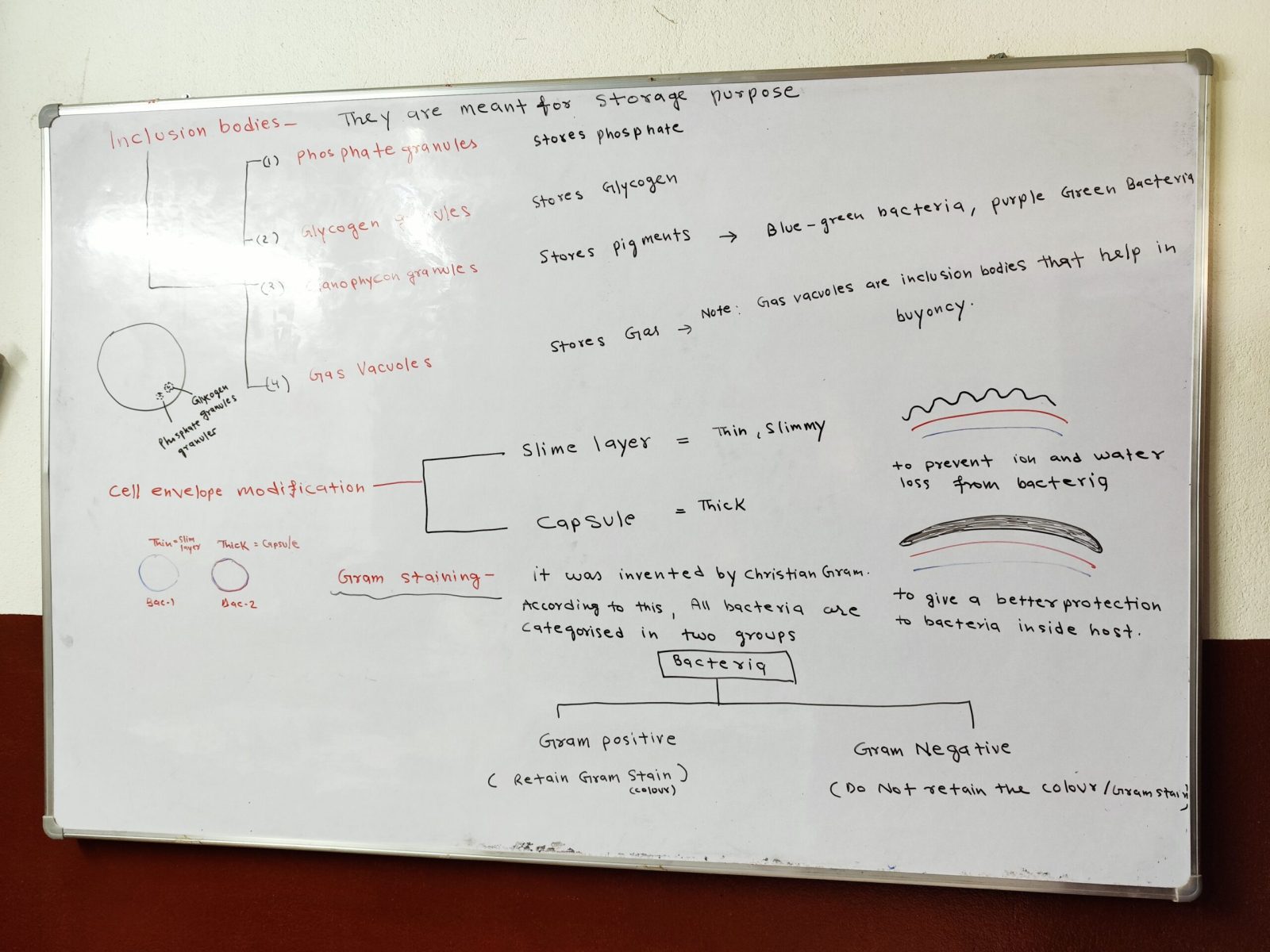
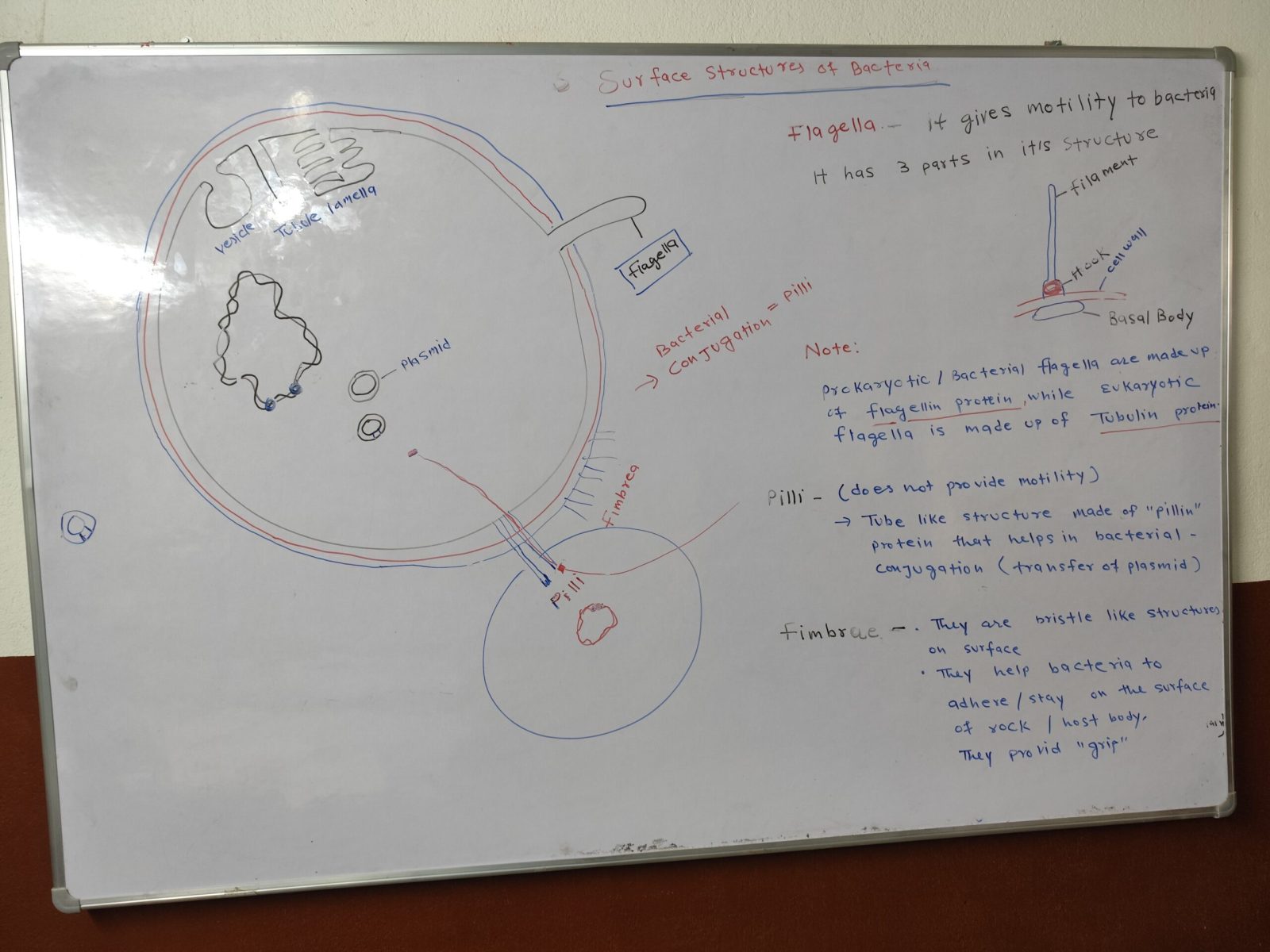
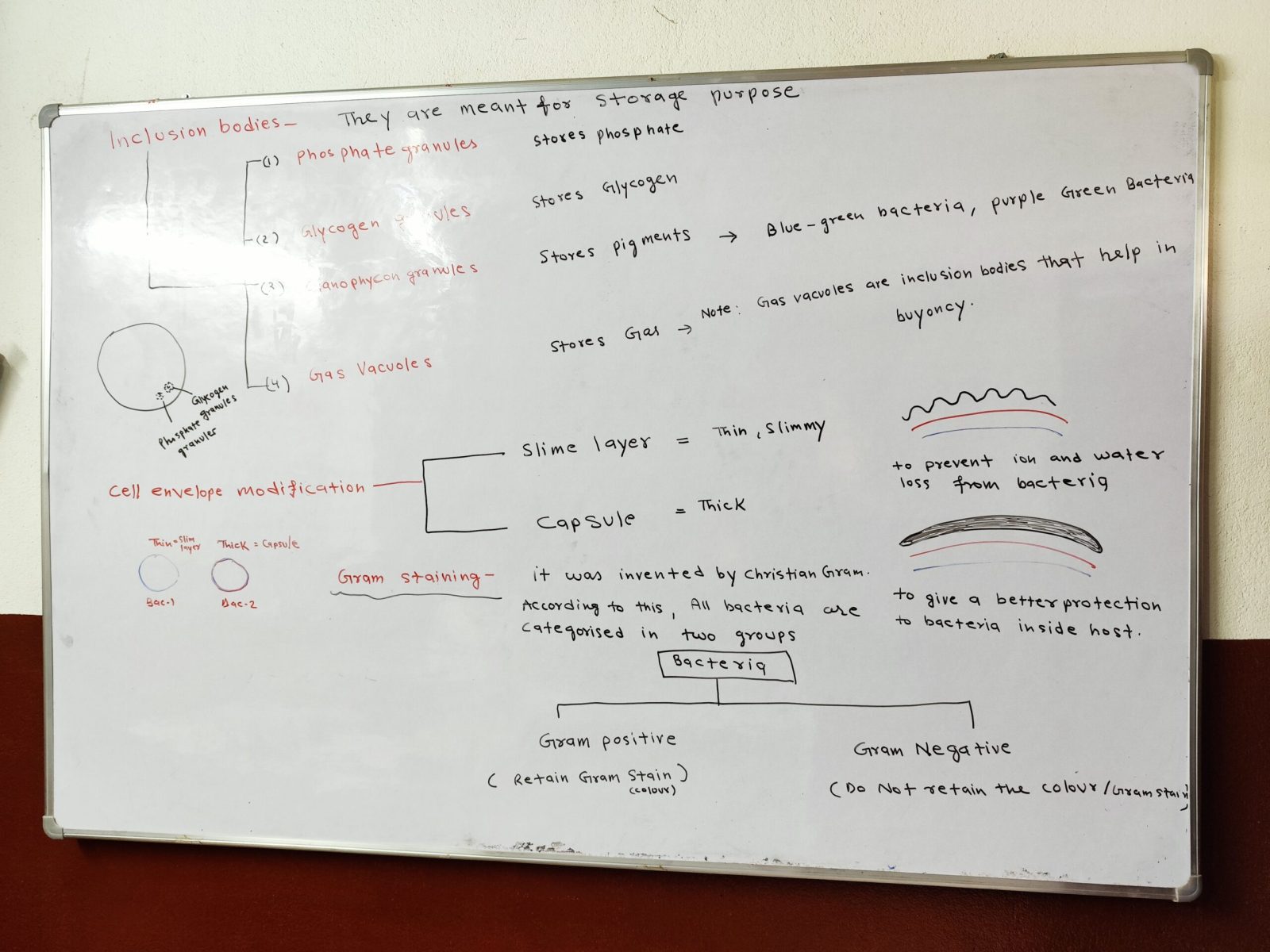
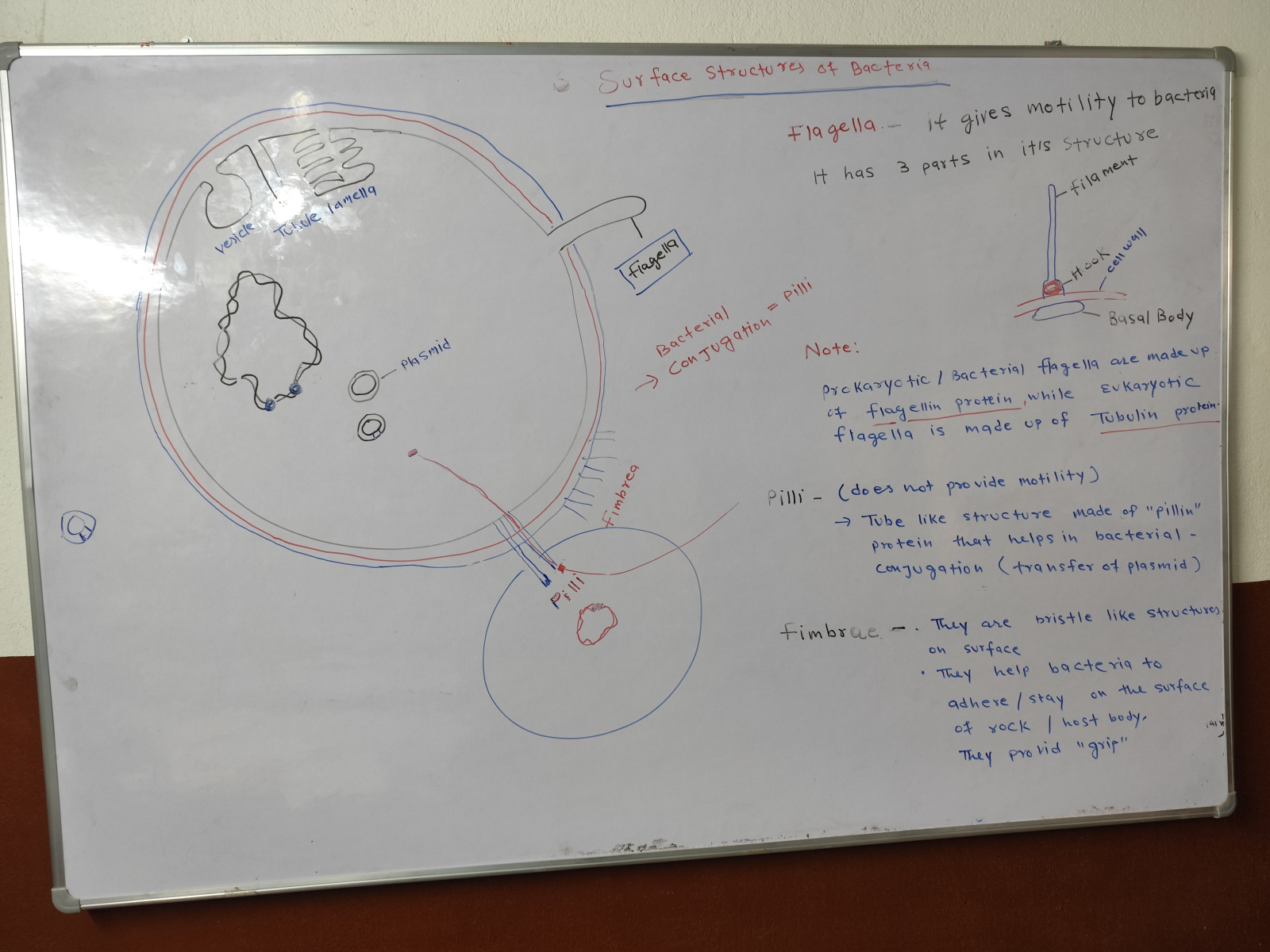
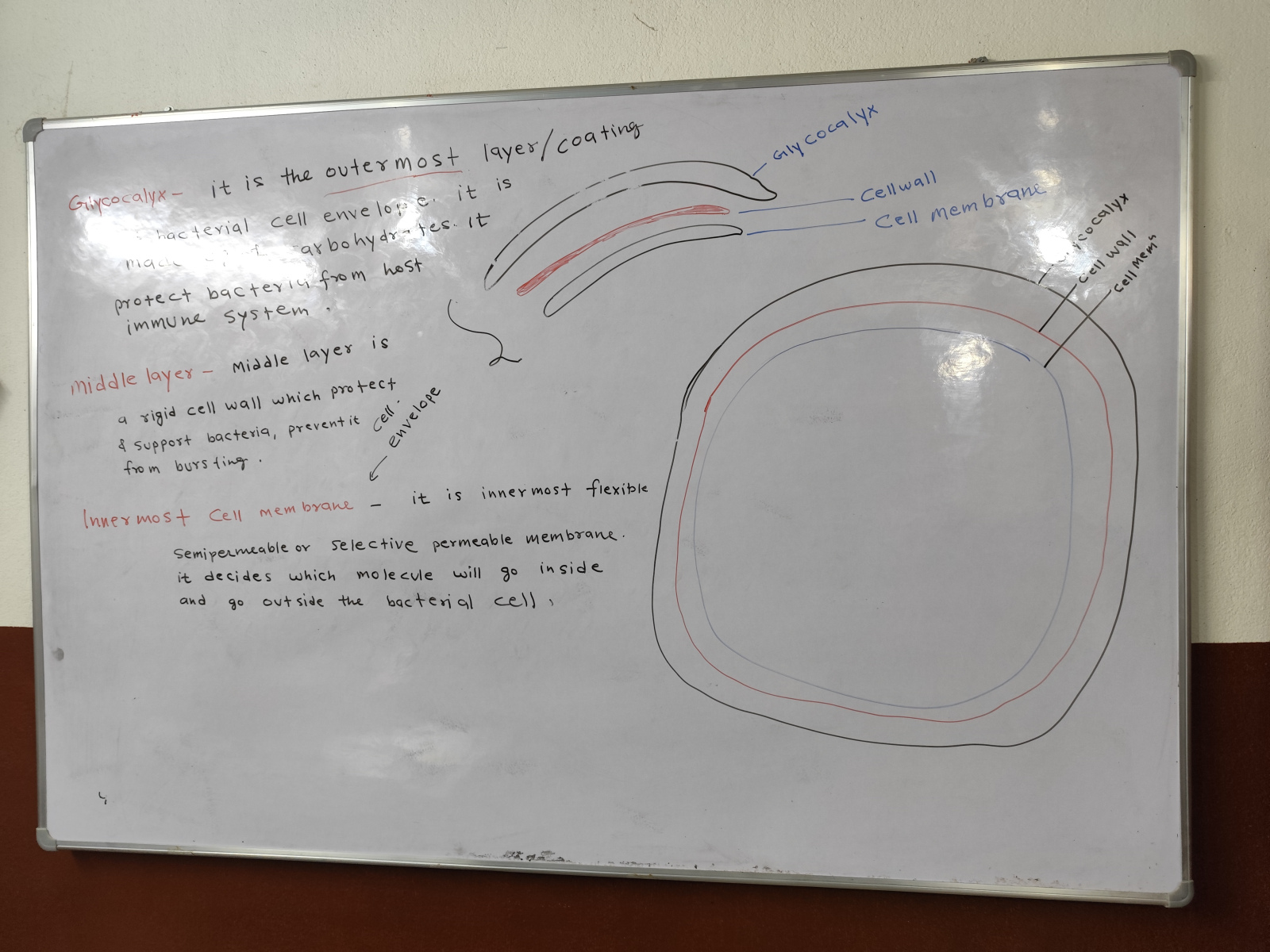
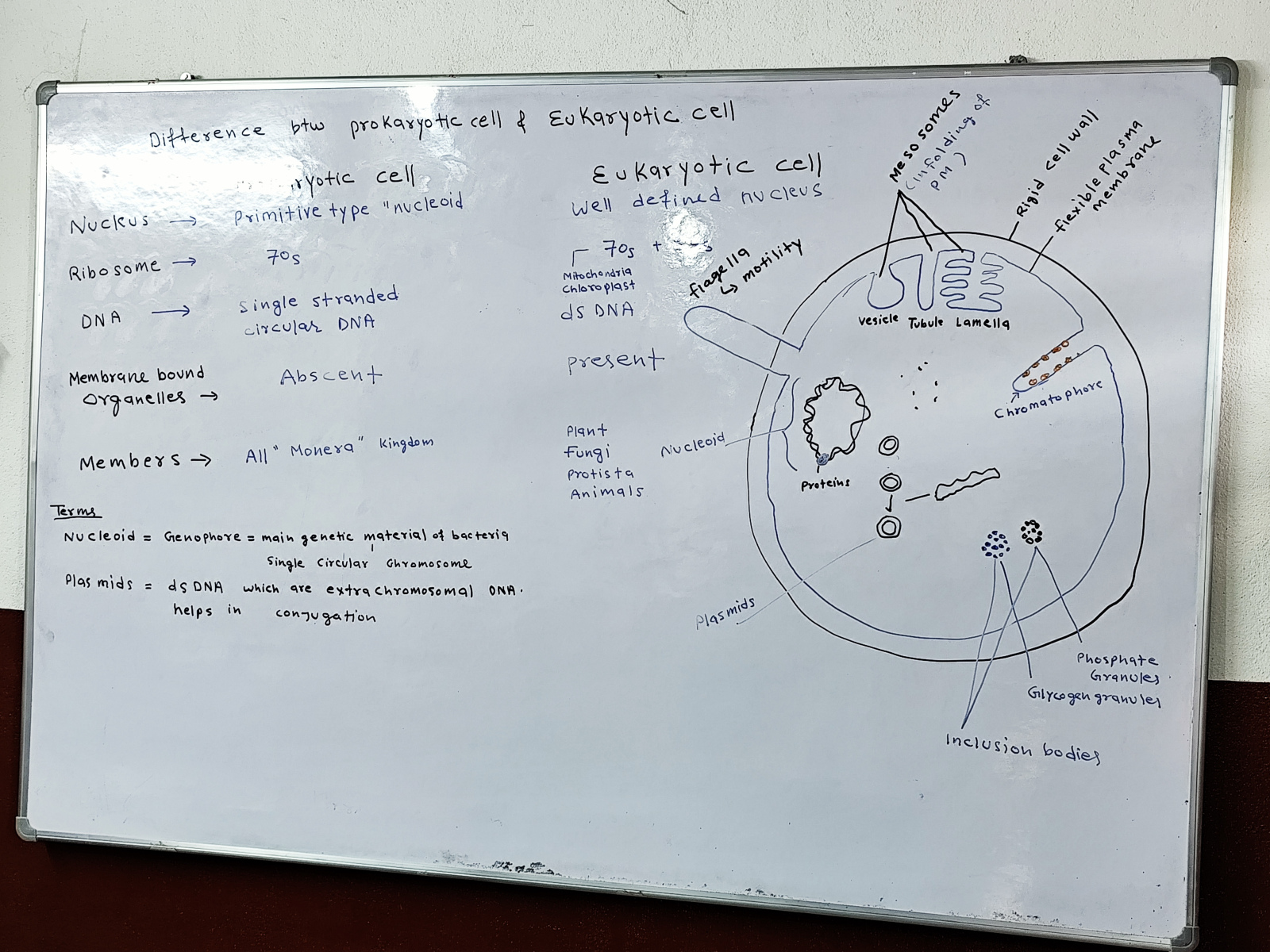
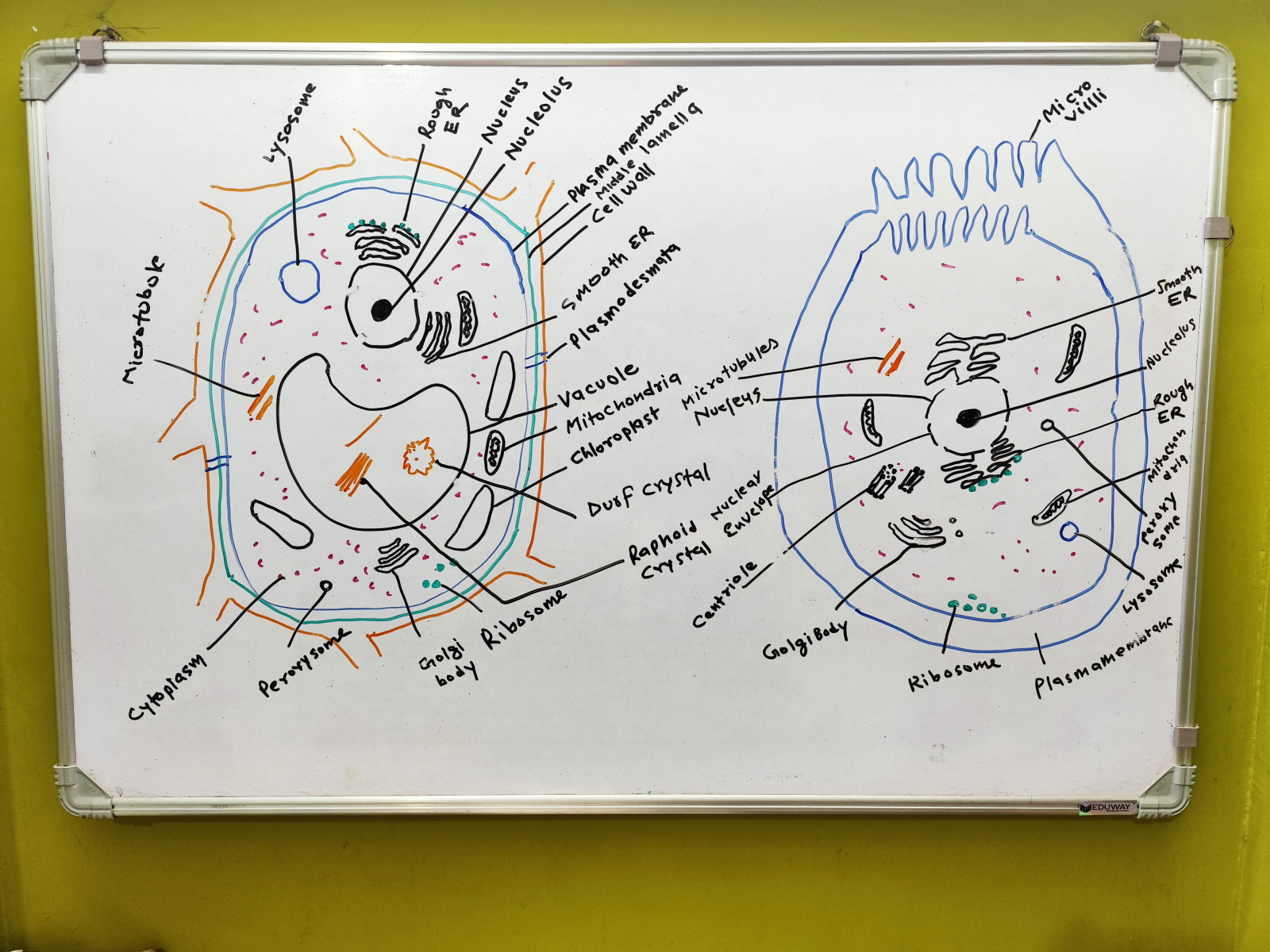
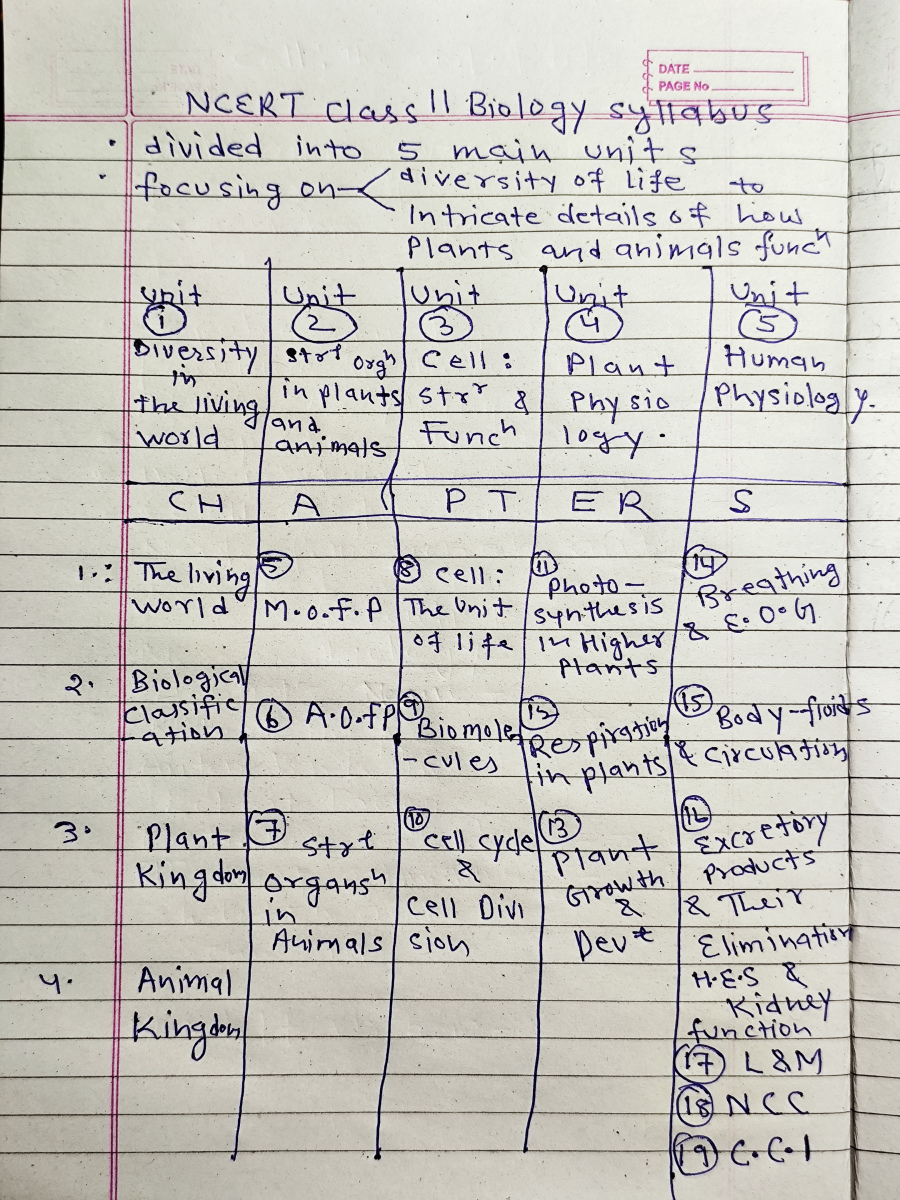
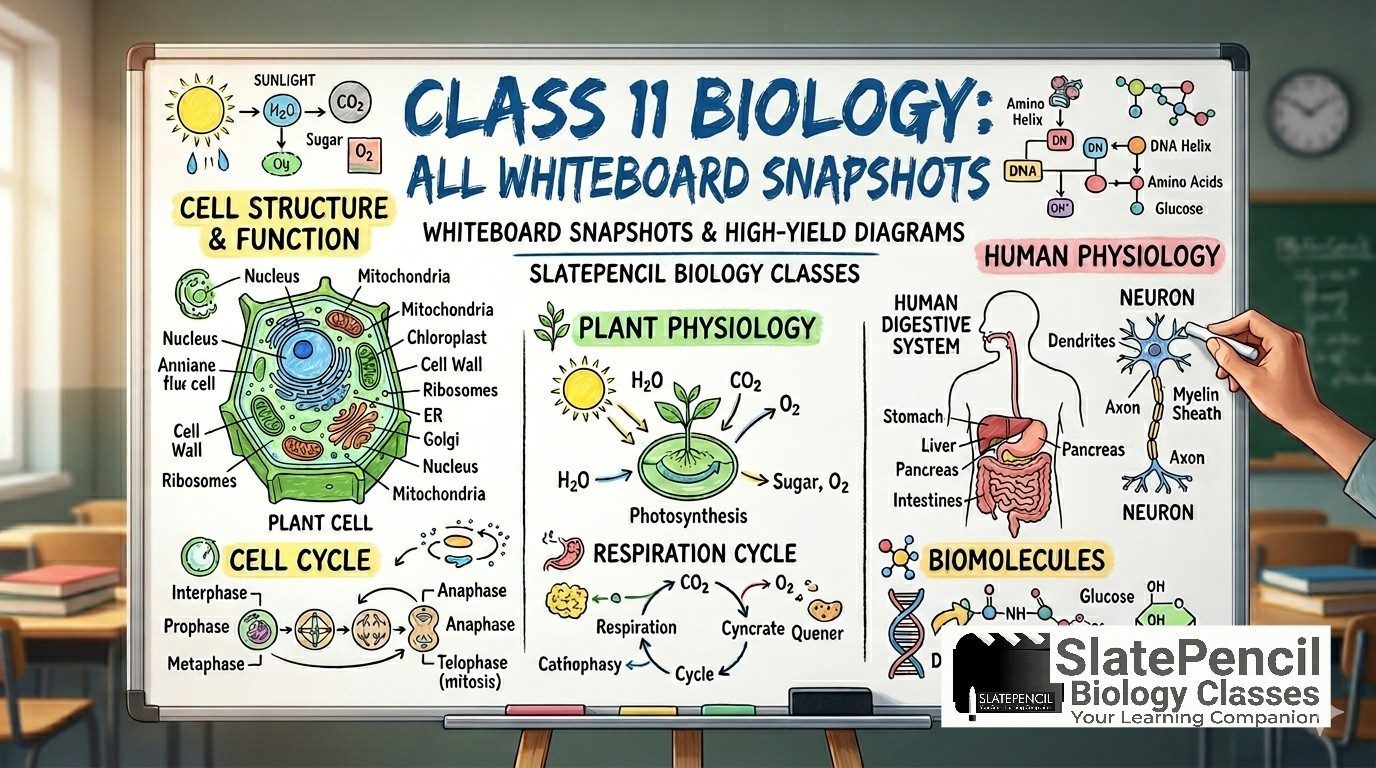
Class 11 Biology: Whiteboard Snapshots & High-Yield Diagrams

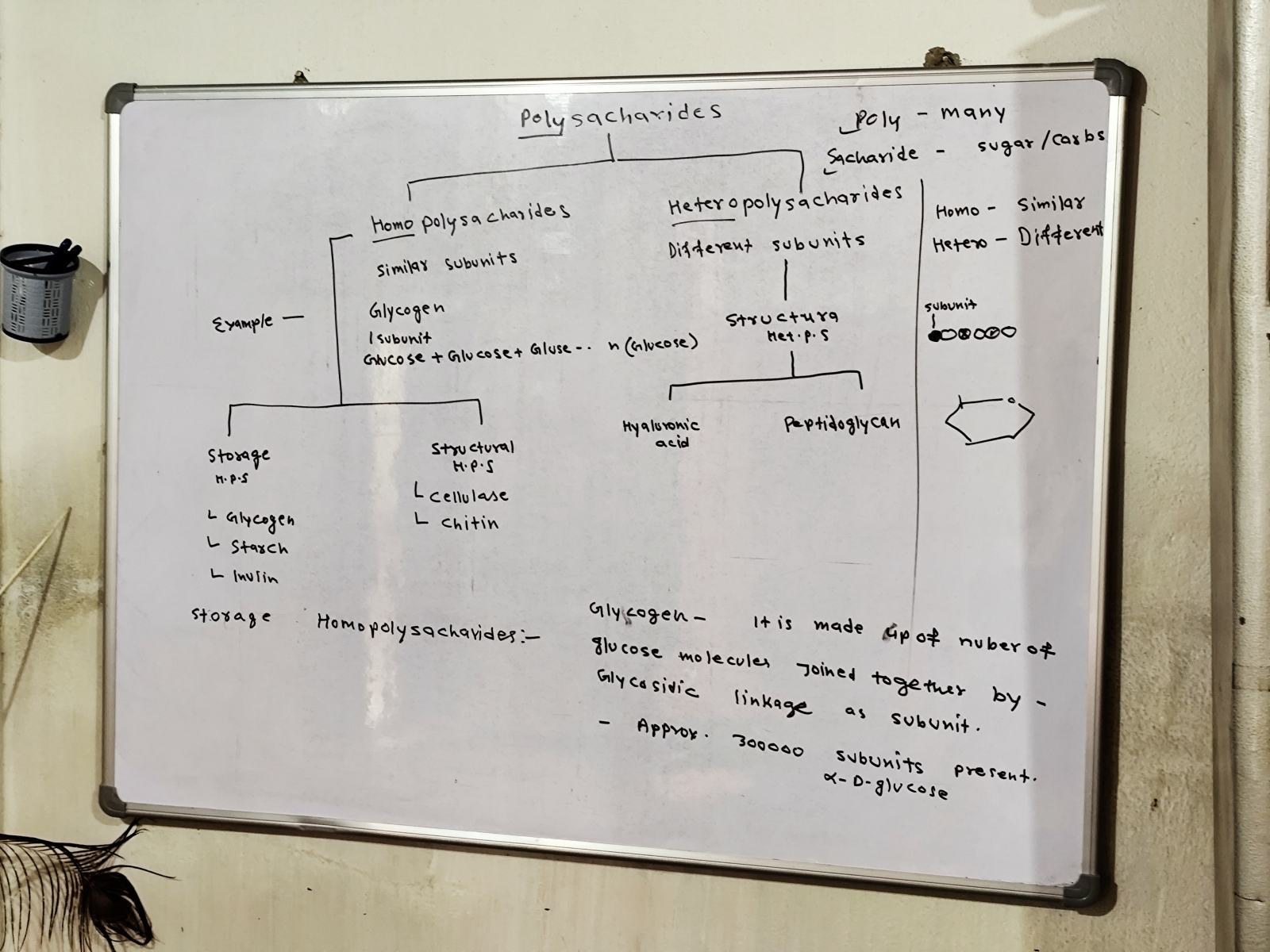
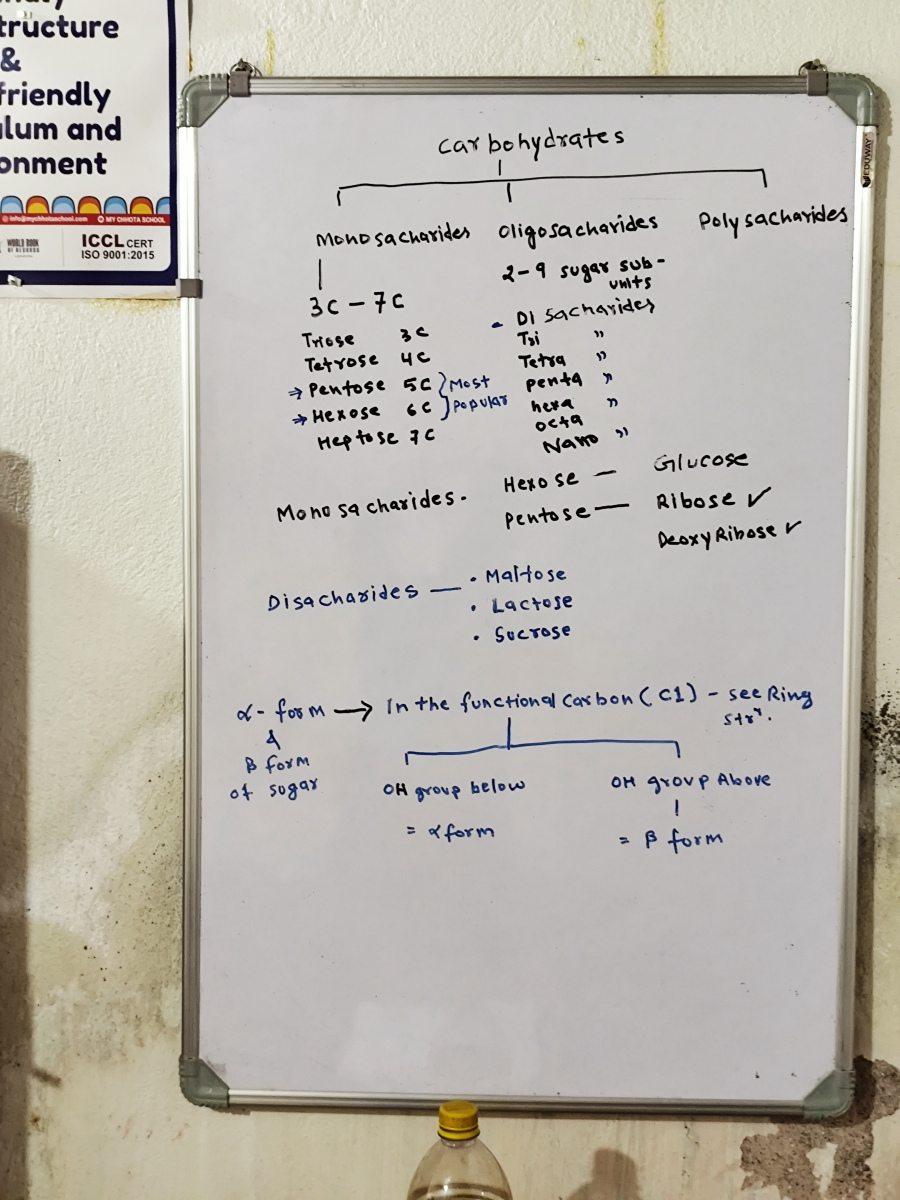
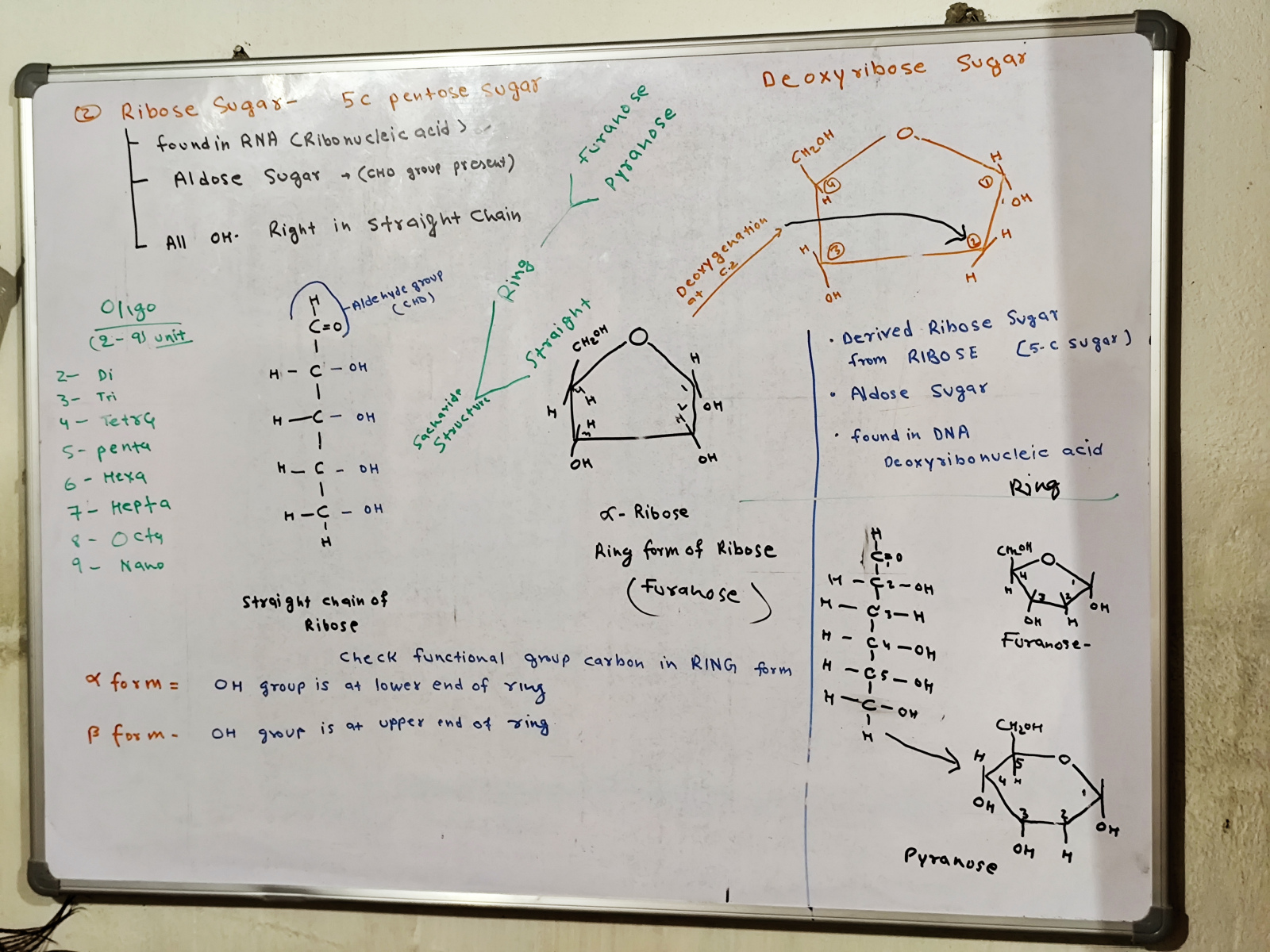
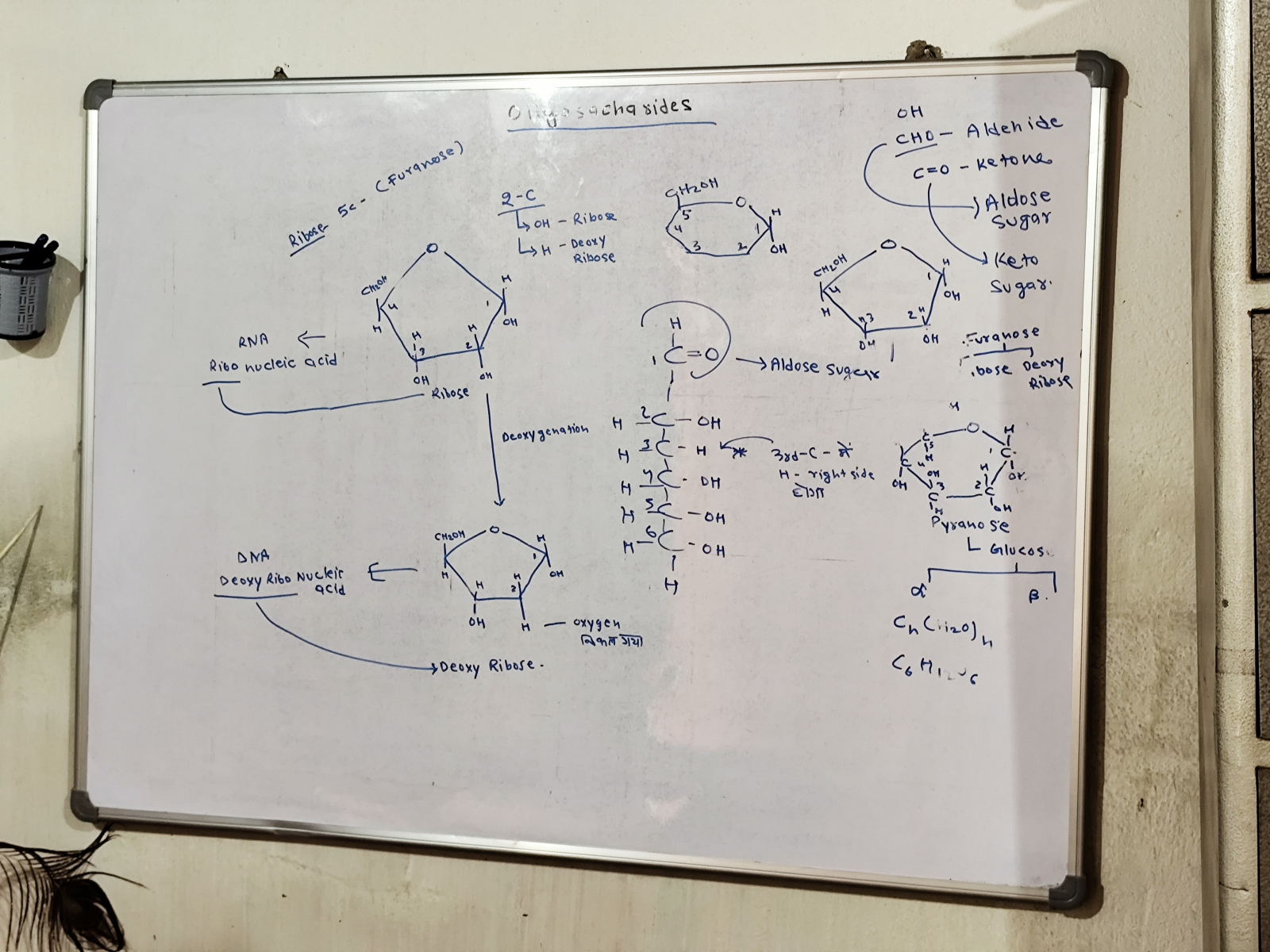
Class 11 Biology lays the foundation for both your school exams and competitive medical prep. But memorizing massive chapters like Cell Structure, Plant Physiology, or Human Systems from dense textbook paragraphs can be overwhelming.

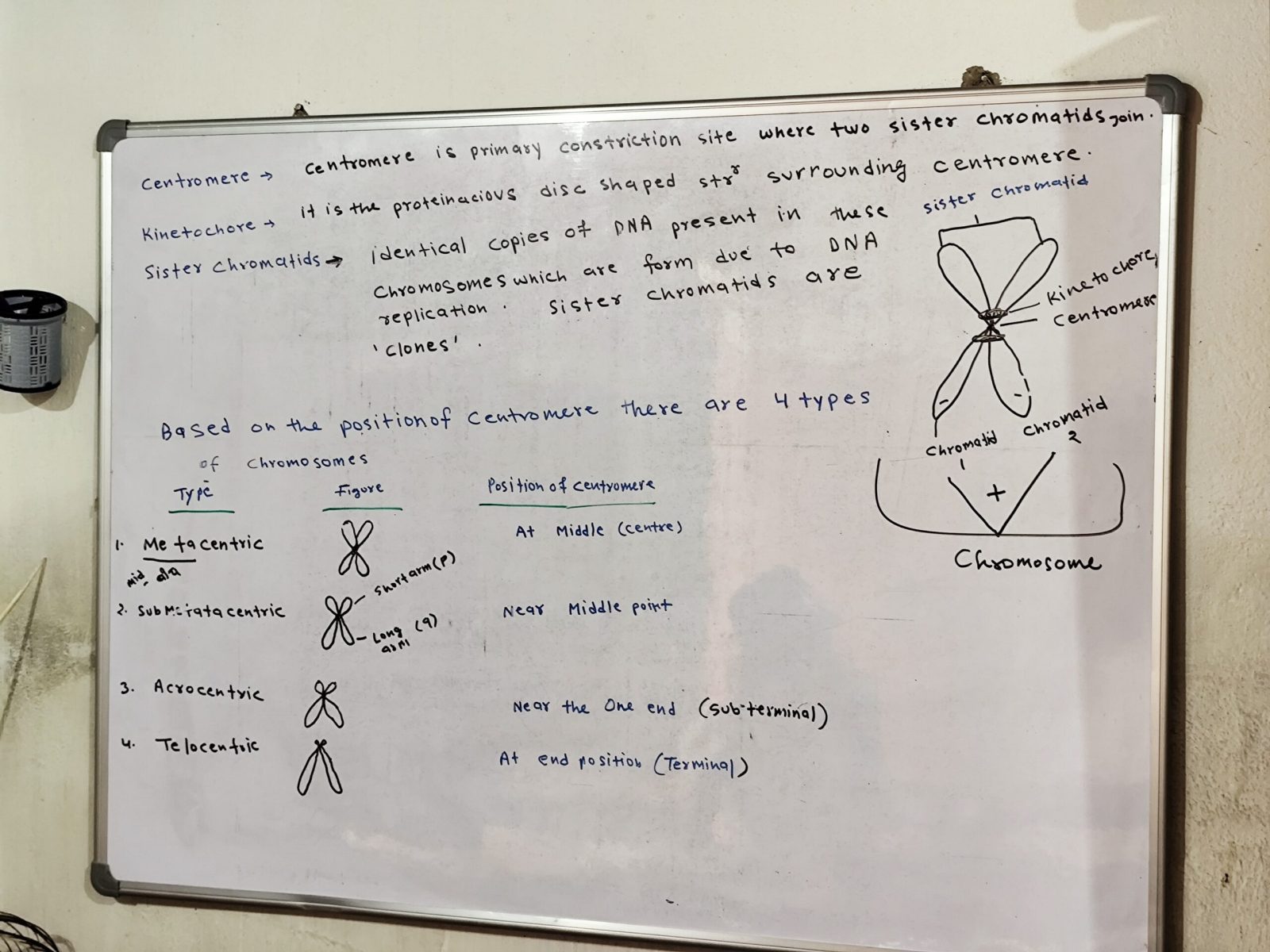
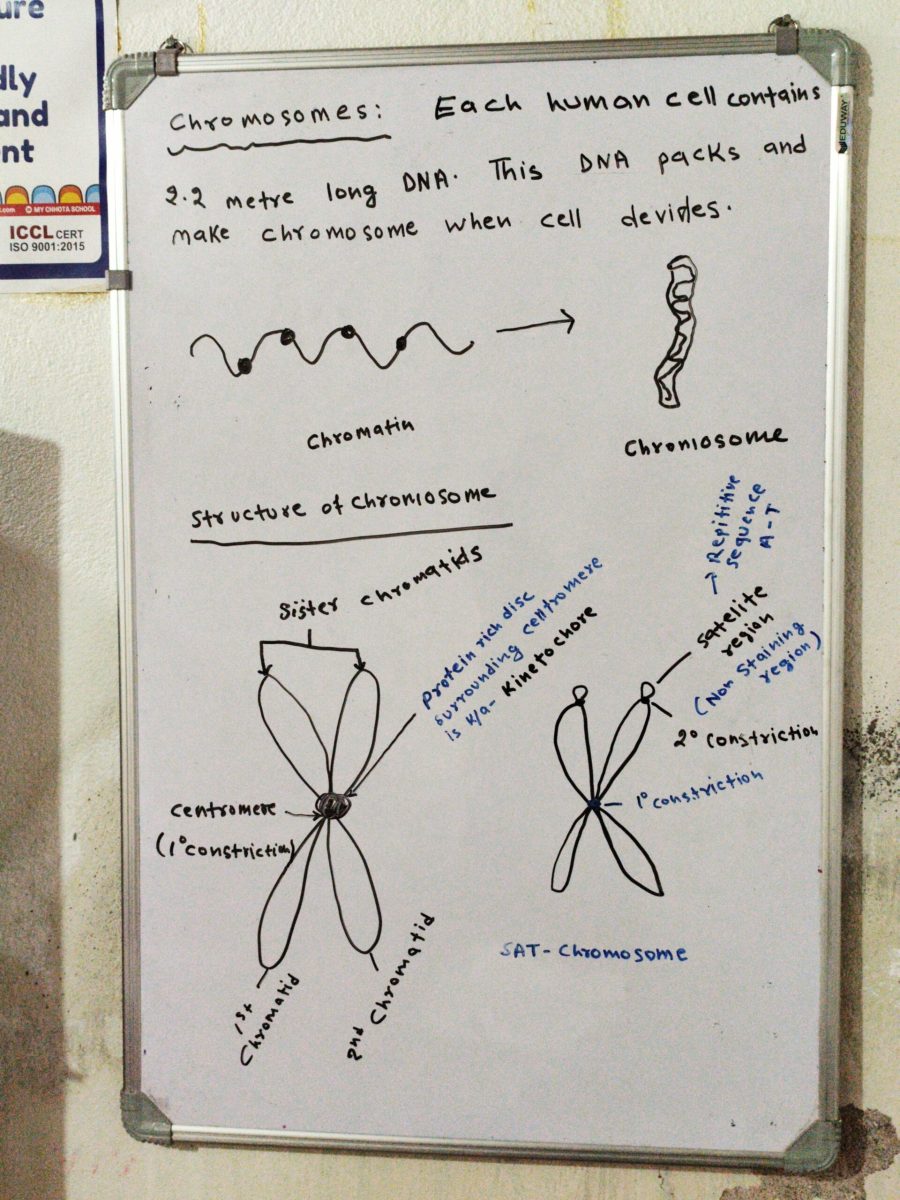
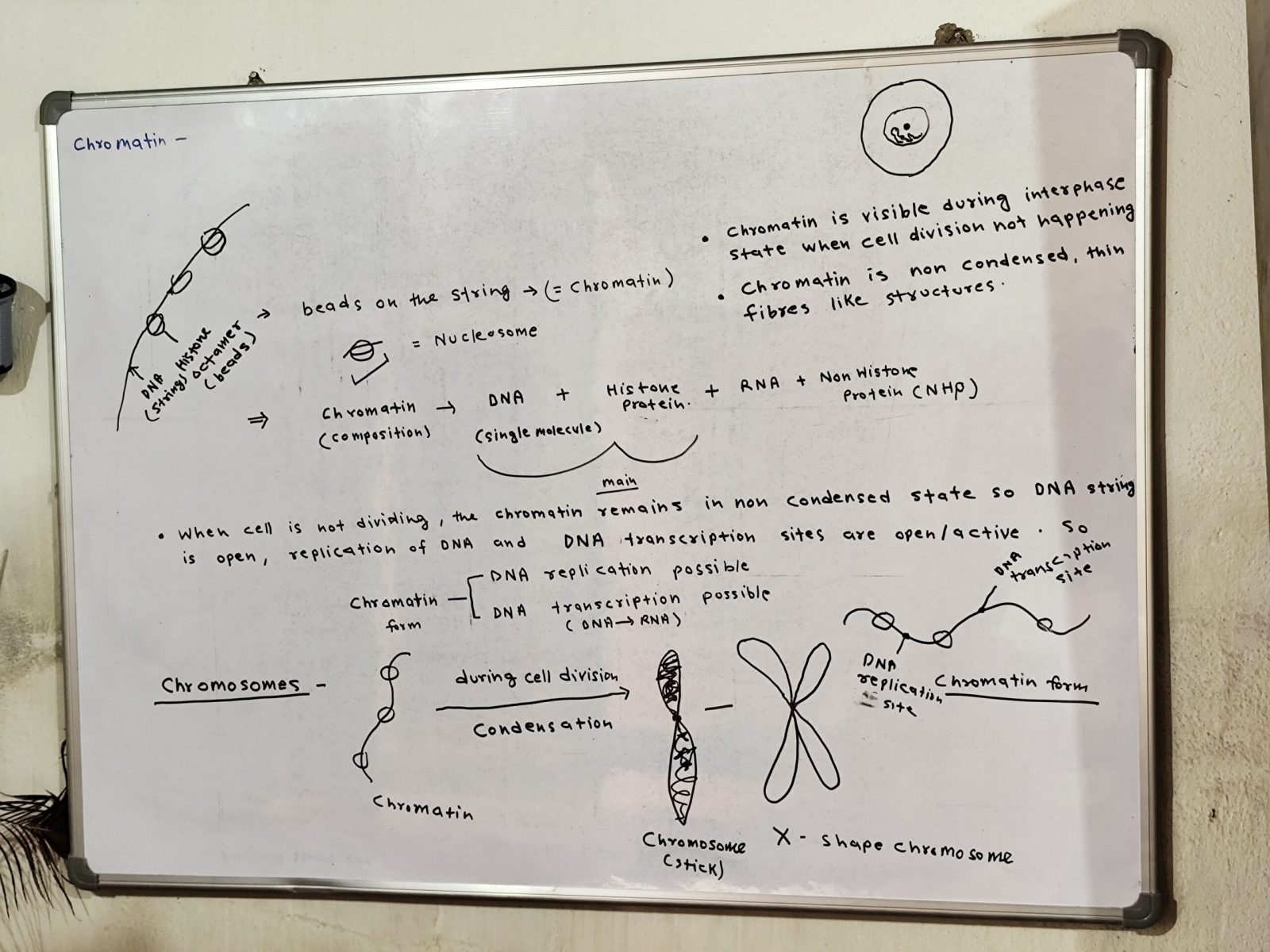
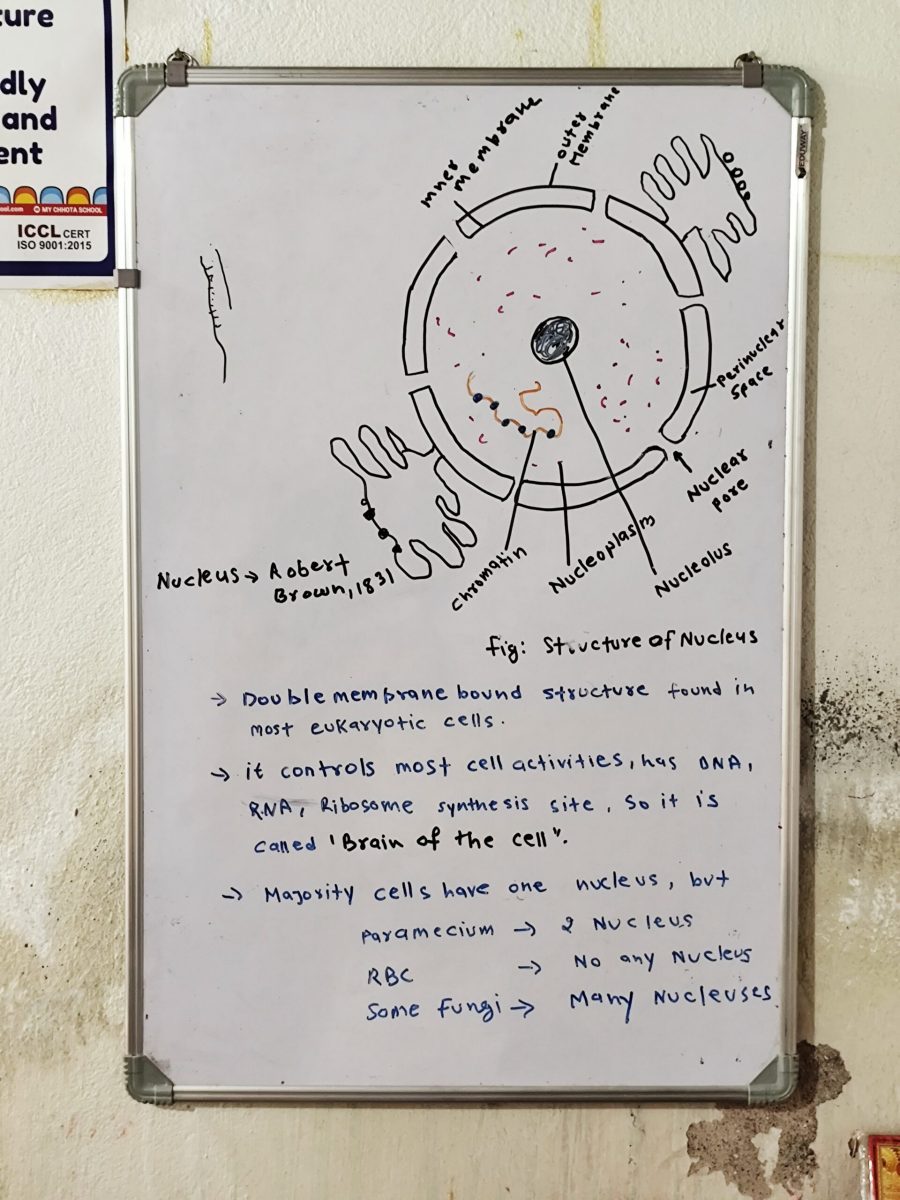
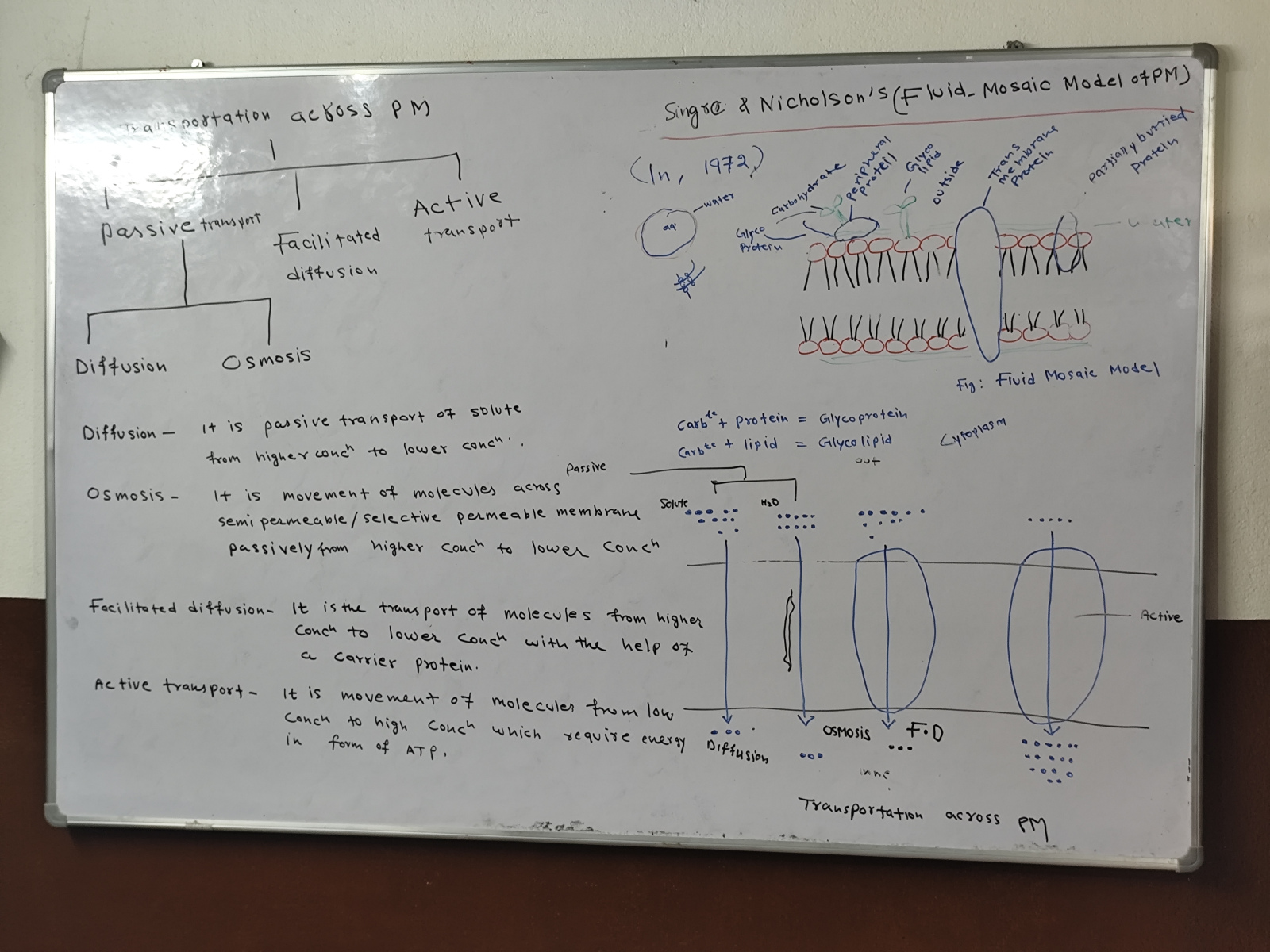
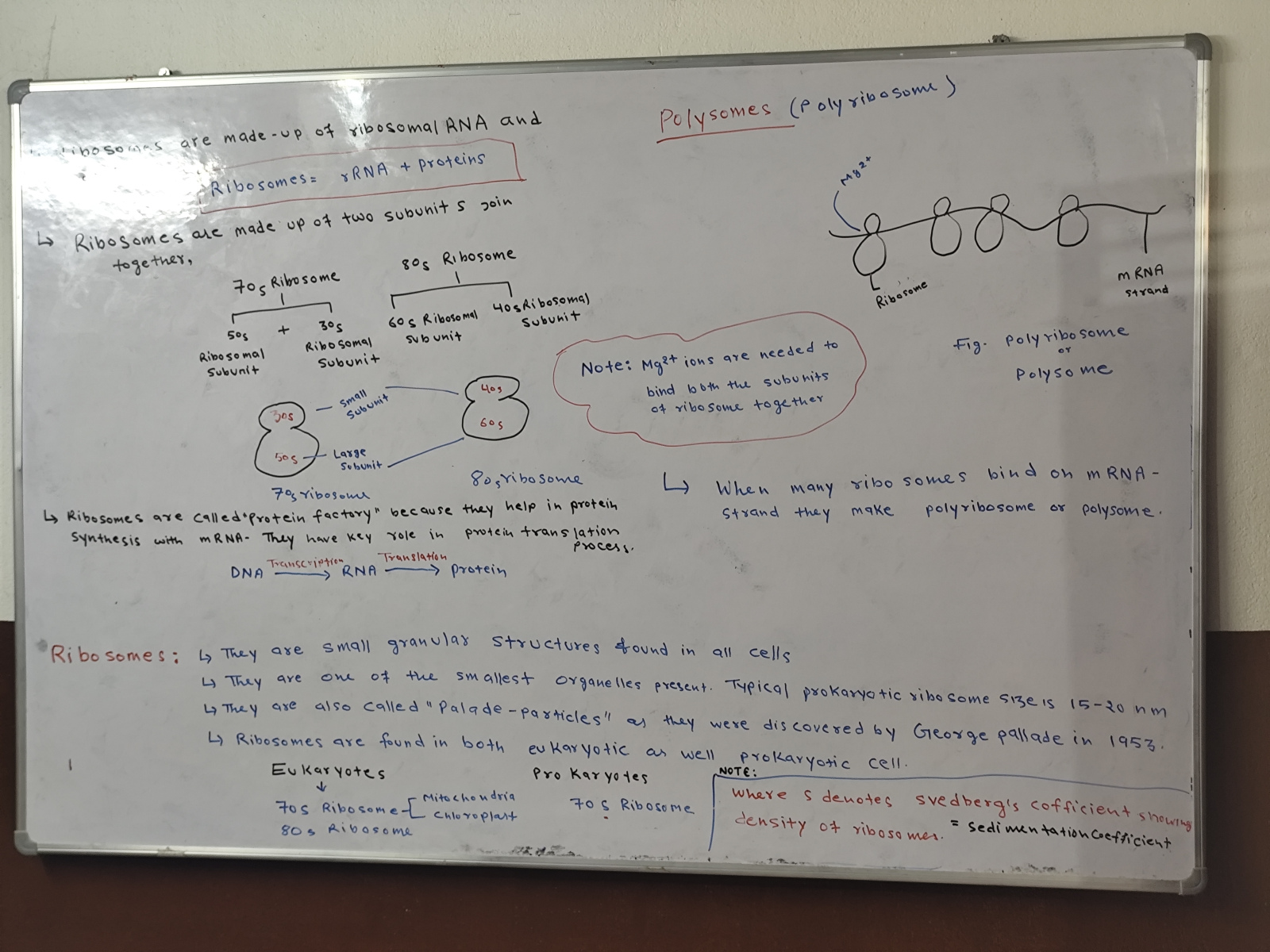
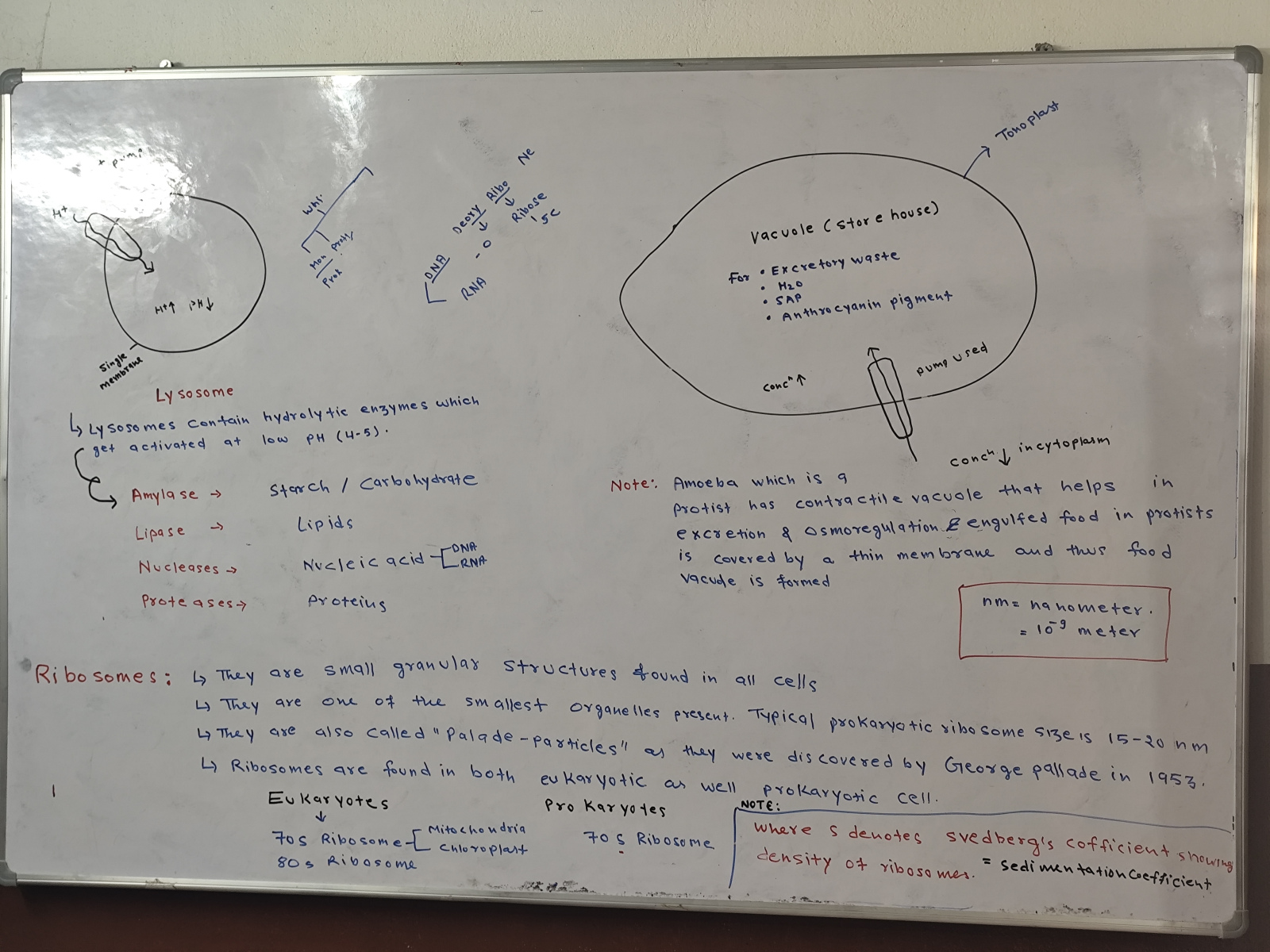
​To make your preparation easy, we’ve compiled our classroom SlatePencil Biology Classes whiteboard snapshots into this quick-access digital album. These organized, handwritten layouts break down complex concepts into easy-to-remember visual summaries.

​💡 How to Use This Album for Class 11:

  • ​Master NCERT Diagrams: Click any image to view it full-screen. Use them to practice the exact, well-labeled diagrams required for your subjective exams.
  • ​Simplify Complex Cycles: Instantly review biochemical pathways, cell division stages, and physiological mechanisms through clean flowcharts.
  • ​Smart Revision: Bookmark this page on your phone for lightning-fast revision during weekly tests and finals.

​📸 Explore the Lecture Album 👇

Class 11 Biology Whiteboard Snapshots by Slatepencil Biology Classes 

When you visualize Biology, it becomes unforgettable. Grab your notebook, practice these layouts, and drop any questions in the comments below. See  you in class!

Stick to your NCERT textbook, practice labeling diagrams regularly, and bridge the concepts together. Happy studying!

Schools up to Class 12 Closed in East Champaran Till 10 January 2026 Due to Cold Wave

School Closure notification

पूर्वी चंपारण (मोतिहारी) जिले में अत्यधिक ठंड और शीतलहर के कारण बच्चों के स्वास्थ्य को ध्यान में रखते हुए जिला दंडाधिकारी द्वारा आदेश जारी किया गया है। सभी सरकारी एवं निजी विद्यालयों (प्री-स्कूल एवं आंगनबाड़ी केंद्र सहित) तथा कोचिंग संस्थानों में कक्षा 12 तक की शैक्षणिक गतिविधियाँ 10 जनवरी 2026 तक स्थगित रहेंगी।
हालाँकि, परीक्षाओं एवं परीक्षा हेतु संचालित विशेष कक्षाओं पर यह आदेश लागू नहीं होगा। मौसम की स्थिति की लगातार समीक्षा की जा रही है और आगे निर्णय लिया जाएगा। यह आदेश 07 जनवरी 2026 को जारी किया गया।
📌 Brief Summary (English):
Due to severe cold and cold-wave conditions in East Champaran (Motihari), the District Magistrate has issued an order in the interest of students’ health and safety. All academic activities up to Class 12 in government and private schools (including pre-schools and Anganwadi centres) and coaching institutes are suspended till 10 January 2026.
However, examinations and special classes

School Closure notification

I📢 Important Notice | East Champaran (Motihari)

📢 Important Notice | East Champaran (Motihari)

📢 Important Notice | East Champaran (Motihari)
Due to severe cold wave conditions, as per the order of the District Magistrate, East Champaran,
all academic activities in government and private schools (Pre-School to Class 12), Anganwadi centres, and coaching institutes are suspended till 24 December 2025.
👉 This order will not affect scheduled examinations.
👉 The decision has been taken in the interest of students’ health and safety.
— District Administration, East Champaran (Motihari)
📢 महत्वपूर्ण सूचना | पूर्वी चंपारण (मोतिहारी)
भीषण ठंड एवं शीत लहर को देखते हुए जिला दंडाधिकारी, पूर्वी चंपारण के आदेशानुसार
प्री-स्कूल से कक्षा 12 तक के सभी सरकारी व निजी विद्यालयों, आंगनबाड़ी केंद्रों तथा कोचिंग संस्थानों में शैक्षणिक गतिविधियाँ 24 दिसंबर 2025 तक स्थगित रहेंगी।
👉 यह आदेश निर्धारित परीक्षाओं पर लागू नहीं होगा।
👉 यह निर्णय छात्रों के स्वास्थ्य एवं सुरक्षा को ध्यान में रखते हुए लिया गया है।
— जिला प्रशासन, पूर्वी चंपारण (मोतिहारी)

📢 Important Notice | East Champaran (Motihari)

Class 10th Science chapter heredity and evolution :Mendel’s Contributions to Heridity

Mendel’s Contributions to Heredity

Gregor Johann Mendel (1822-1884), an Austrian monk, is known as the **”Father of Genetics”** for his groundbreaking work on heredity. His experiments with pea plants laid the foundation for understanding how traits pass from parents to offspring.

## Why Mendel Chose Pea Plants

Mendel selected garden pea (*Pisum sativum*) for his experiments because:

– They had several contrasting traits that were easy to observe (tall vs dwarf, round vs wrinkled seeds)
– They had a short life span, allowing multiple generations to be studied quickly
– They produced many offspring
– They could self-pollinate as well as cross-pollinate
– Pure-breeding varieties were available

 Mendel’s Experiments

Mendel conducted cross-pollination experiments with pea plants showing contrasting characteristics. He studied seven pairs of contrasting traits:

1. Plant height – Tall vs Dwarf
2. Seed shape – Round vs Wrinkled
3. Seed color – Yellow vs Green
4. Pod shape – Inflated vs Constricted
5. Pod color – Green vs Yellow
6. Flower position – Axial vs Terminal
7. Flower color – Violet vs White

Monohybrid Cross

Mendel's contributions to heredity
Mendel’s contributions to heredity

Mendel crossed pure-breeding tall plants with pure-breeding dwarf plants. His observations were:

**F₁ Generation (First Filial):** All offspring were tall. No dwarf plants appeared, showing that tallness was dominant over dwarfness.

**F₂ Generation (Second Filial):** When F₁ plants self-pollinated, both tall and dwarf plants appeared in the ratio of approximately 3:1 (three tall plants for every one dwarf plant).

## Mendel’s Laws of Inheritance

From his experiments, Mendel proposed three fundamental laws:

### 1. Law of Dominance
When two contrasting traits are crossed, only one trait (the dominant trait) expresses itself in the F₁ generation, while the other trait (recessive trait) remains hidden. The recessive trait reappears in the F₂ generation.

### 2. Law of Segregation
The two alleles (forms of a gene) for a trait separate during gamete formation, so each gamete receives only one allele. During fertilization, offspring receive one allele from each parent, restoring the pair.

### 3. Law of Independent Assortment
When two or more traits are considered together, the inheritance of one trait is independent of the inheritance of another trait. This law applies to genes located on different chromosomes.

## Key Terminology Introduced

– **Trait:** A characteristic feature (like height or seed color)
– **Alleles:** Different forms of a gene (like tall and dwarf)
– **Dominant trait:** The trait that expresses itself (represented by capital letter, e.g., T)
– **Recessive trait:** The trait that remains hidden in presence of dominant allele (represented by small letter, e.g., t)
– **Genotype:** Genetic makeup (TT, Tt, or tt)
– **Phenotype:** Physical appearance (tall or dwarf)
– **Homozygous:** Both alleles are same (TT or tt)
– **Heterozygous:** Alleles are different (Tt)

## Significance of Mendel’s Work

Mendel’s work remained unrecognized during his lifetime but was rediscovered in 1900. His contributions helped scientists understand that hereditary information is passed in discrete units (now called genes), forming the basis of modern genetics and explaining how variation occurs in populations, which is essential for evolution.

Ace NEET Biology with Slatepencil

Ace NEET Biology with SlatePencil: Your Smart Path to Success

Cracking NEET Biology requires more than just reading NCERT—it demands clarity, strategy, consistency, and the right guidance. At SlatePencil Biology Classes by Sandeep Sen, we help students transform their potential into performance with concept-focused teaching and smart preparation techniques.

Whether you’re in Class 11, Class 12, or a repeater targeting NEET, our approach is designed to make Biology your strongest scoring subject.

—

✨ Why NEET Biology Matters Most

Biology holds 50% weightage in NEET, making it the key scoring section. A strong grip on:

NCERT Line-by-Line

Diagrams & Flowcharts

PYQs & Topic Weightage

Conceptual Understanding

…can dramatically boost your total rank.

At SlatePencil, we make this journey simple, structured, and stress-free.

—

🚀 What Makes SlatePencil Biology Classes Different?

1️⃣ Concept-Focused Teaching

No rote learning!
Classes are designed to build deep understanding of NCERT chapters using real-life examples, simple explanations, and interactive learning.

2️⃣ NCERT + PYQ-Oriented Notes
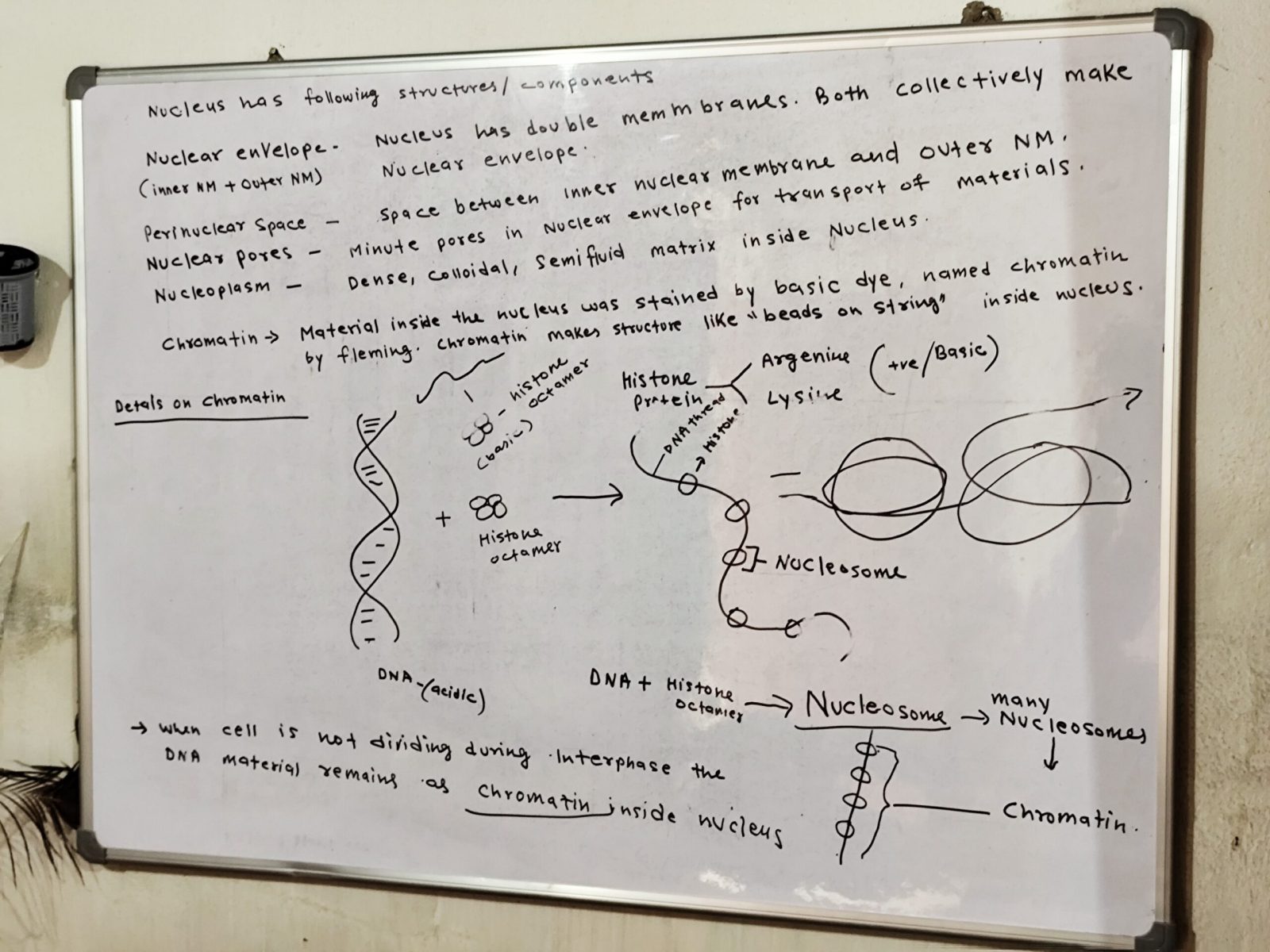
Get crisp, exam-oriented notes covering:
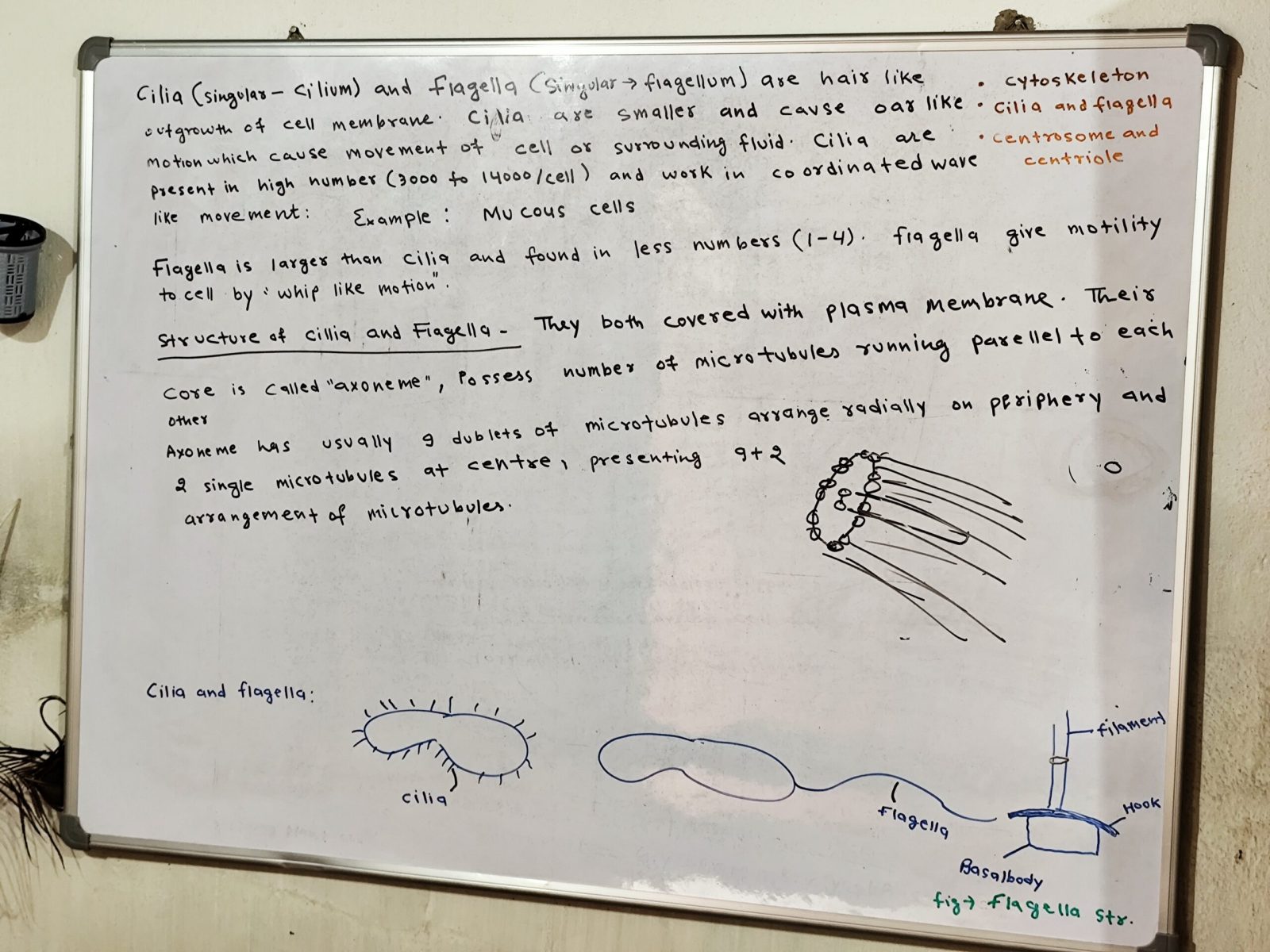
✔ Important lines
✔ Mind maps
✔ Previous year patterns
✔ High-yield questions

3️⃣ Regular Tests & Assessments

Weekly, monthly, and full syllabus tests help you:

Track progress

Identify weak areas

Improve speed & accuracy

4️⃣ Clear Doubt-Solving

Every doubt matters.
We ensure individual attention and regular doubt-clearing sessions for better understanding.

5️⃣ Expert Teaching by Sandeep Sen

Learn from:
🎓 M.Tech in Biotechnology (NIT Rourkela)
🎓 GATE Qualified Biology Educator

With years of experience and passion for teaching, complex topics become easy and enjoyable.

—

📘 What You Study with SlatePencil

We cover the entire CBSE & Bihar Board syllabus for:

Class 11 Biology

Class 12 Biology

NEET Complete Biology

Including:
🌿 Diversity in the Living World
🧬 Cell Biology
🌱 Plant Physiology
🧠 Human Physiology
🧫 Biotechnology & Microbes
🌍 Ecology
… and much more!

—

🎯 How SlatePencil Helps You Ace NEET Biology

Targeted NCERT coverage

Topic-by-topic tests

Shortcut techniques for memory-based chapters

Diagram mastery sessions

Revision marathons & mock tests

We teach you what to study, how to study, and how to retain effectively.

—

🔑 Final Word: Start Smart. Study Smart. Score Big.

NEET is competitive—but with the right guidance and strategy, nothing is impossible.
At SlatePencil Biology Classes, we make your journey:

✔ Structured
✔ Stress-free
✔ Scoring
✔ Successful

If you’re ready to Ace NEET Biology, SlatePencil is the class where concepts meet clarity.

—

If you want, I can also create:
✅ A short promo version
✅ Facebook/Instagram post version
✅ Banner text
✅ Video script for reels/shorts

Just tell me!

A Fresh Start to NEET: A Motivating Guide for Beginners

Every year, lakhs of students across India dream of securing a seat in a top medical college. If you’re just beginning your NEET journey, welcome—this is the first step toward transforming your dream into reality.
And the good news? You don’t need to be a topper or a genius to crack NEET.
You only need clarity, consistency, and courage.

Let’s begin your journey the right way.

—

⭐ 1. NEET Is Not Hard—But It Demands Discipline

Most beginners fear NEET because of the competition and syllabus size.
Truth is:

👉 The syllabus is mostly NCERT.
👉 Questions follow repeated patterns.
👉 Biology alone gives 50% of total marks.

You don’t need 15 hours of study a day; you need 3–5 hours of focused, distraction-free learning, every single day.

Consistency beats talent.
Every. Single. Time.

—

⭐ 2. Start with NCERT—Your Best Friend for NEET

For beginners, the biggest mistake is jumping to too many books.
Start simple.

📕 NCERT Biology – Line-by-line
📘 NCERT Chemistry – Basics first
📗 NCERT Physics – Concepts + formulas

NCERT builds 80–85% of your exam base.
When your foundation becomes strong, advanced topics automatically become easier.

—

⭐ 3. Biology Is Your Scoring Booster

If you’re beginning your NEET preparation, focus more on Biology.
It’s the easiest and highest-scoring section.

To master it:

Read NCERT slowly

Make short handwritten notes
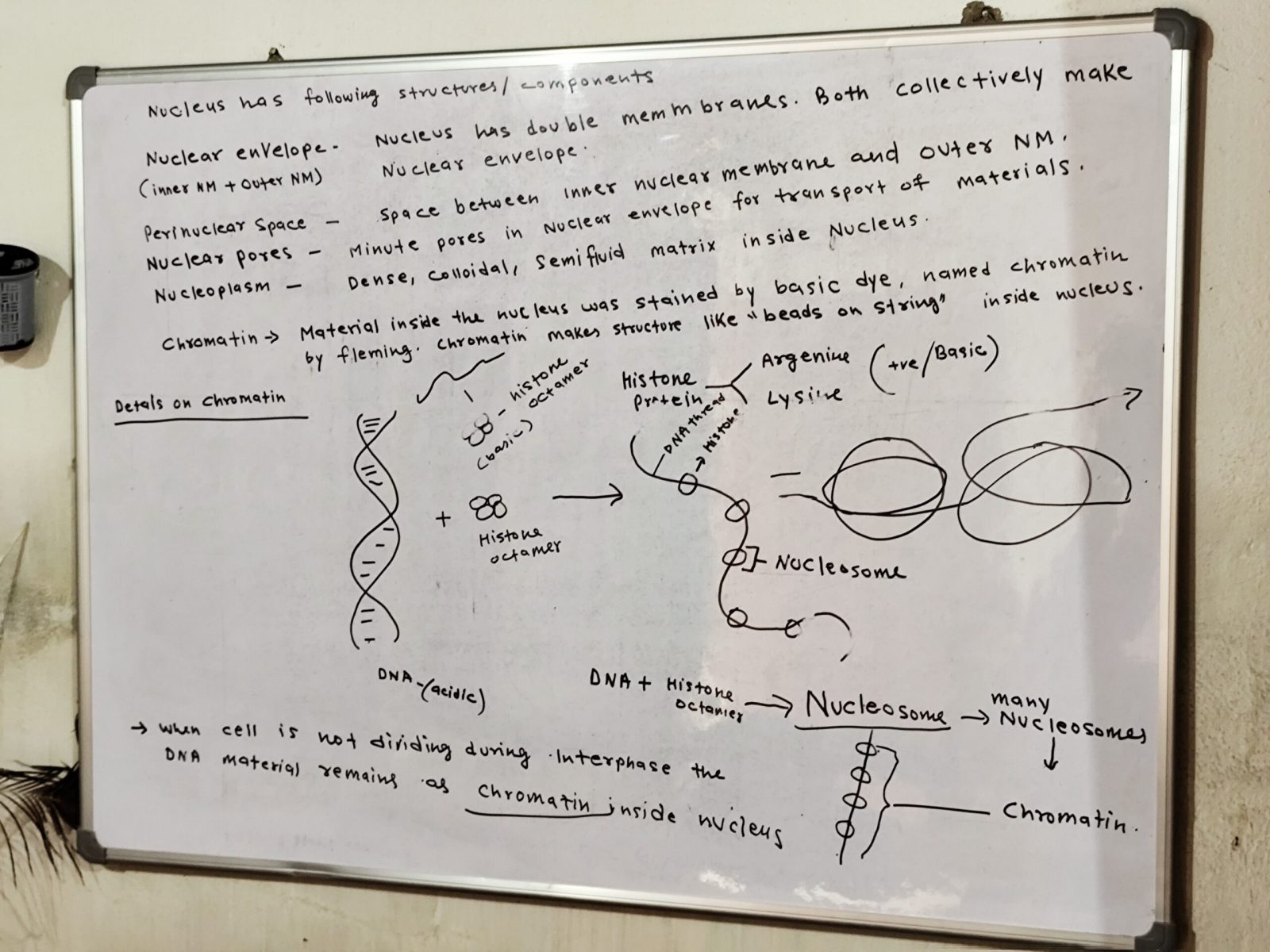
Practice diagrams

Solve PYQs

Revise regularly

That’s it. You’ll be shocked how quickly your marks rise.

—

⭐ 4. Don’t Wait for the “Perfect Time” — Start Now

Many beginners delay because:

❌ “I will start after boards.”
❌ “I will start once I get all books.”
❌ “I will start when I feel confident.”

But confidence comes after you start, not before.
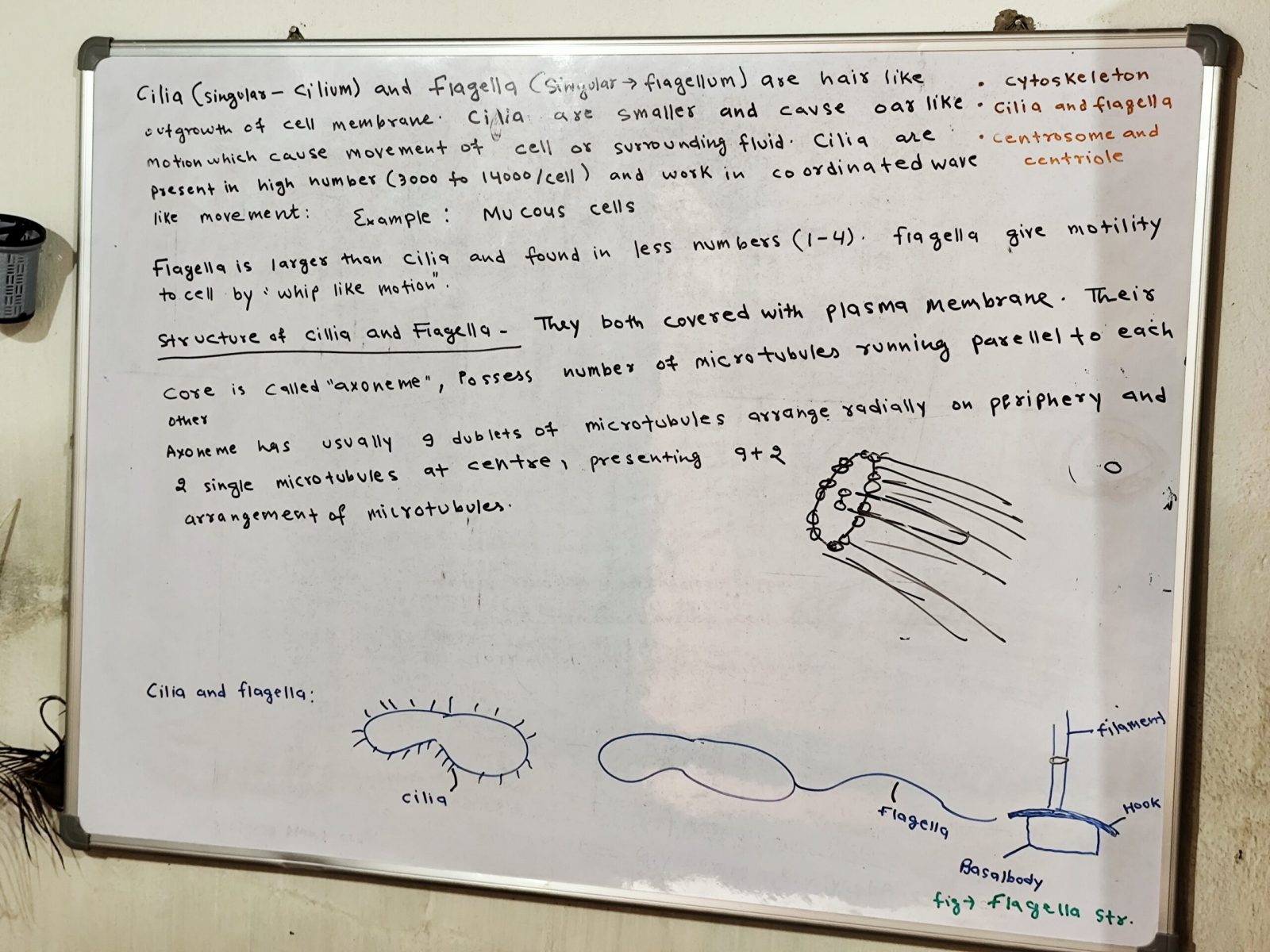
Even 1 hour today is better than 0 hours tomorrow.

—

⭐ 5. Follow the 3 Pillars of NEET Success

Pillar 1: Strong Concepts

Understand before memorizing.

Pillar 2: Practice Daily

Even 20 questions/day make a difference.

Pillar 3: Revision

Your brain forgets fast—revise faster.

NEET toppers don’t study everything;
they study what matters—and revise it many times.

—

⭐ 6. Make a Simple & Realistic Routine

Here’s a beginner-friendly routine:

Daily:
✔ 2 hrs Biology
✔ 1 hr Chemistry
✔ 1 hr Physics
✔ 30 min revision
✔ 20–30 MCQs

Keep it flexible. Keep it achievable.

You don’t need perfection. You need progress.

—

⭐ 7. Remove These 3 Enemies from Your Life

🔥 Overthinking
🔥 Comparing yourself
🔥 Phone addiction

Your success is not decided by others.
It’s decided by your small but steady actions every day.

—

⭐ 8. Believe in Yourself—Even If No One Else Does

Every doctor you meet once stood exactly where you are today:

Confused. Scared. Undisciplined. A beginner.

But they did one thing right:
They didn’t quit.

You also have that power.

Your dream is valid.
Your efforts matter.
And your journey starts NOW.

—

⭐ Final Words: You Can Do This

NEET is not a race to run fast—it’s a journey to run with courage and patience.

If you stay consistent, follow NCERT, practice regularly, and maintain a positive mindset—you WILL become the doctor you dream of.

Every expert was once a beginner.
And today, that beginner is YOU.

Stay motivated. Stay disciplined. Stay unstoppable.
Your white coat is waiting. 👨‍⚕️👩‍⚕️💙

—

Crack NEET Biology with Slatepencil Biology Classes

Are you ready to conquer NEET 2025 Biology’s toughest challenges?

SlatePencil Biology Classes by Sandeep Sen awaits your triumph.

M.Tech, GATE Qualified: Sandeep Sen, your expert guide to success.

Master NEET 2025’s conceptual depth, not just rote memorization.

Premium notes, regular tests, personal mentorship for your ultimate score.

Join SlatePencil Biology. Conquer NEET 2025. Your triumph awaits

Crack NEET Biology fast with Slatepencil’s 3 Rapid NEET Bio Hacks — bite-sized strategies schools don’t teach, shown in a crisp  Learn quick memory triggers, problem‑solving shortcuts, and exam-focused recall techniques designed for NEET aspirants. Perfect for last-minute revision, daily micro-practice, and boosting accuracy on high-weight topics. Visuals: only generated images for clear, distraction-free focus. Try these tricks today and watch your retention improve!

Like and share if this helped — drop a comment with which hack you’ll use. #NEET #NEETBiology #StudyHacks #ExamTips #Slatepencil #BiologyShorts #MedicalEntrance

SlatePencil Biology Classes | 11th • 12th • NEET CBSE & Bihar Board .

Are you ready to conquer NEET 2025 Biology’s toughest challenges?

SlatePencil Biology Classes by Sandeep Sen awaits your triumph.

M.Tech, GATE Qualified: Sandeep Sen, your expert guide to success.

Master NEET 2025’s conceptual depth, not just rote memorization.

Premium notes, regular tests, personal mentorship for your ultimate score.

Join SlatePencil Biology. Conquer NEET 2025. Your triumph awaits!

SlatePencil Biology Classes | 11th • 12th • NEET
CBSE & Bihar Board syllabus with complete concept clarity.

Taught by Sandeep Sen (M.Tech, NIT Rourkela | GATE Qualified Biology Teacher).

Premium notes • Regular tests • Score-boosting guidance.
Welcome to SlatePencil Biology Classes
Where concepts meet clarity!
Specialised coaching for 11th, 12th & NEET Biology by Sandeep Sen.
✓ Detailed Explanations
✓ NCERT + PYQs Focus
✓ Daily/Weekly Tests
✓ Personal Mentorship
Join the smartest Biology learning community!